
The Vassar Forest - The Preserve at Vassar
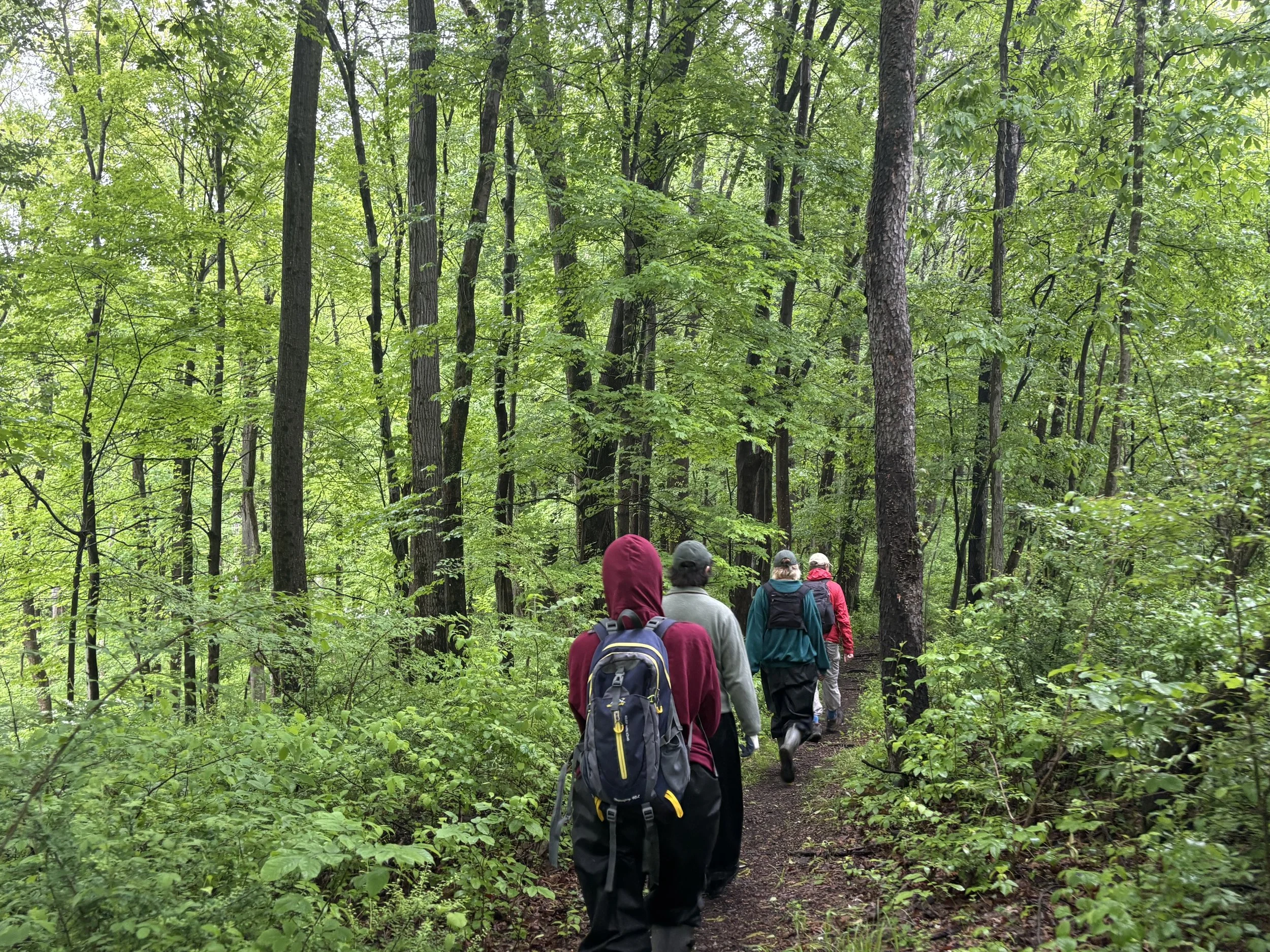
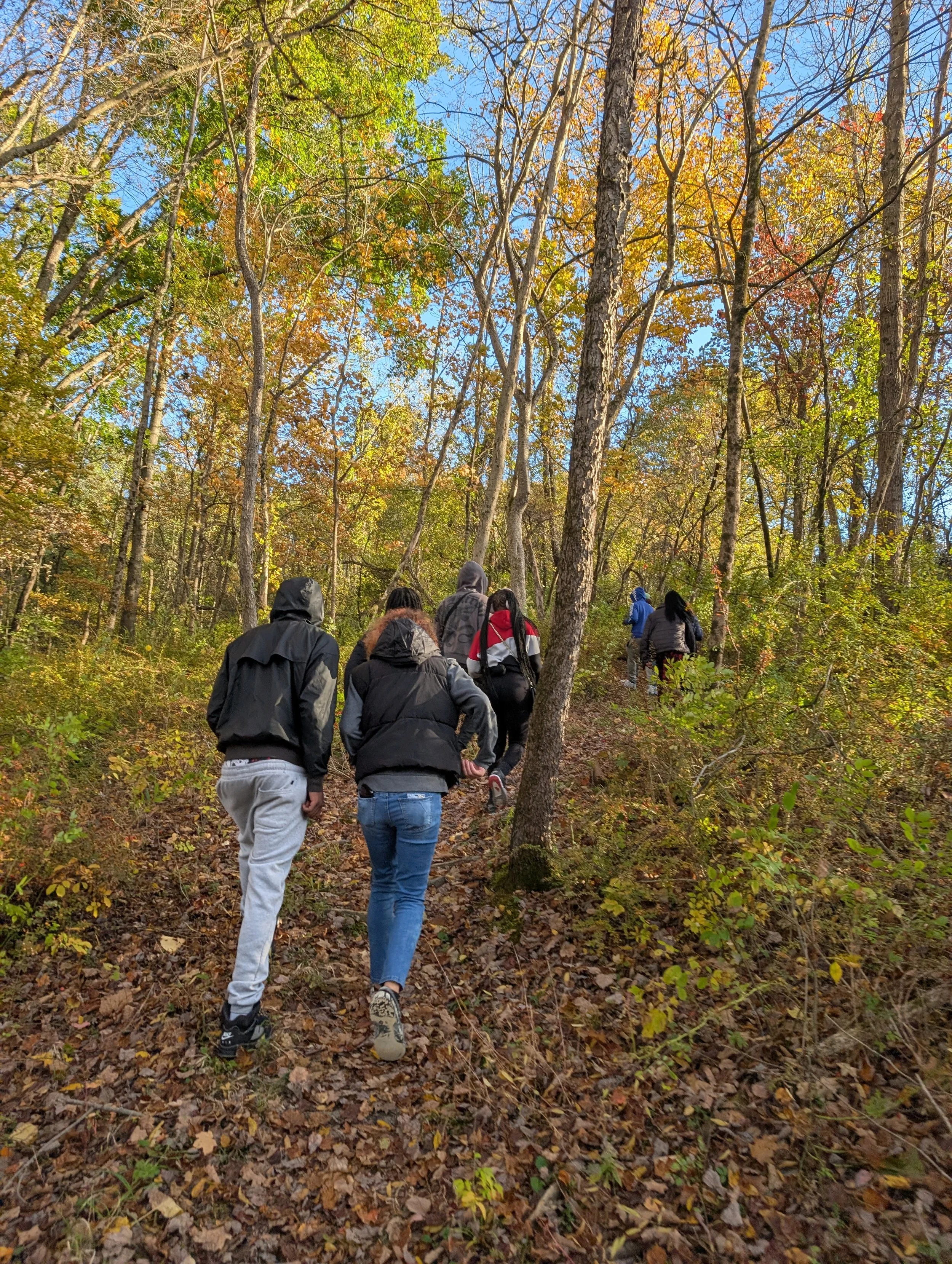
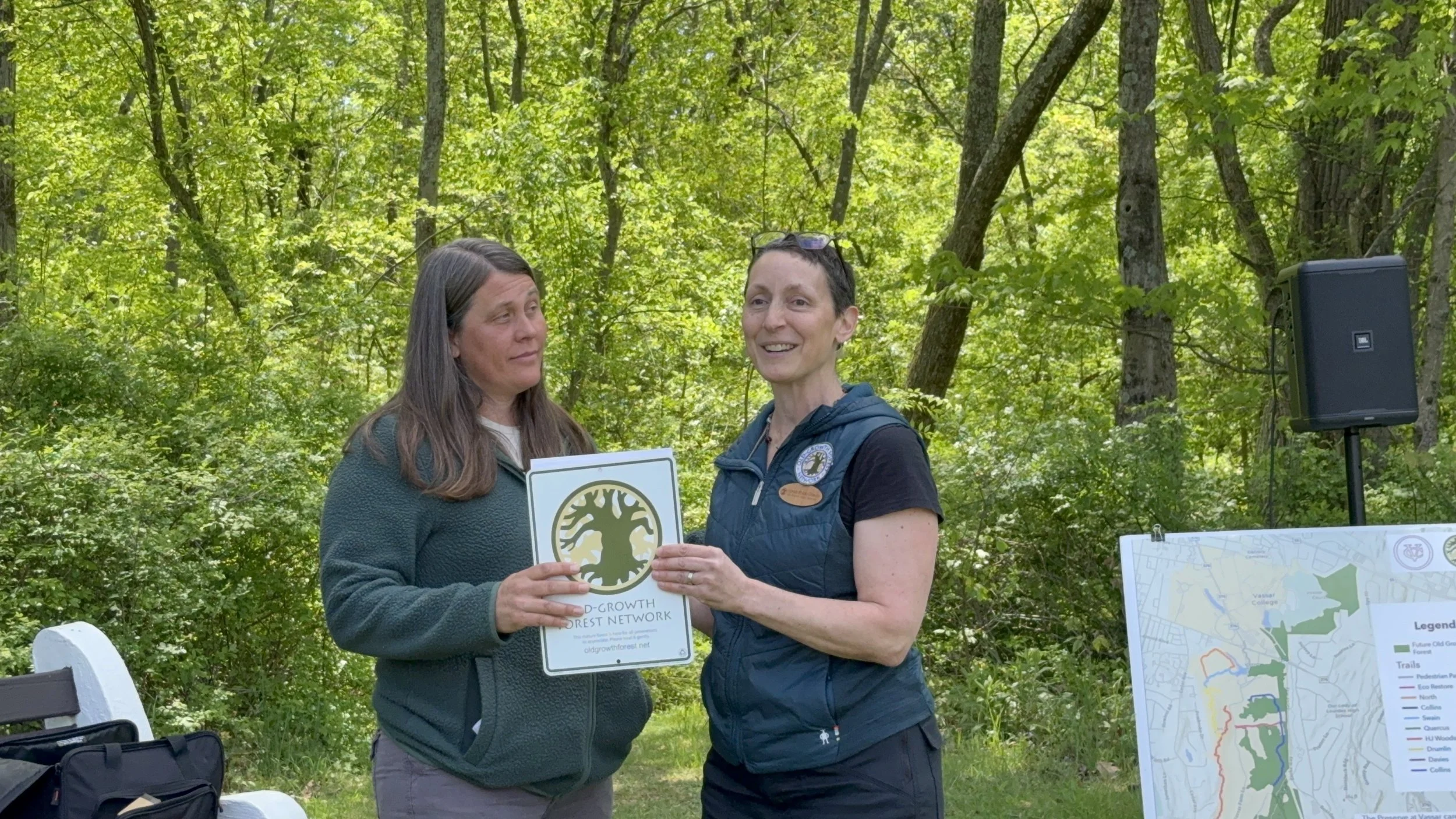
The Vassar Forest is a 222-acre forest corridor within Vassar College that is being left to natural processes. Vassar is committed to allowing these forests to mature into old growth forests. 160 acres of the forest is located on "The Preserve at Vassar," a 525-acre field station located across a street from Vassar College’s main campus. The Preserve is a rich, living laboratory for students and faculty at Vassar, with a network of marked trails that are open to the public and a variety of environmental outreach and educational programs offered to the local community. The forested corridor continues onto the main campus following the Casperkill Stream.
The Preserve was a working farm until the 1950s and contains a mosaic of forest ages. The earliest aerial photographs we have from 1936 show patches of mature forest on the Preserve and main campus.
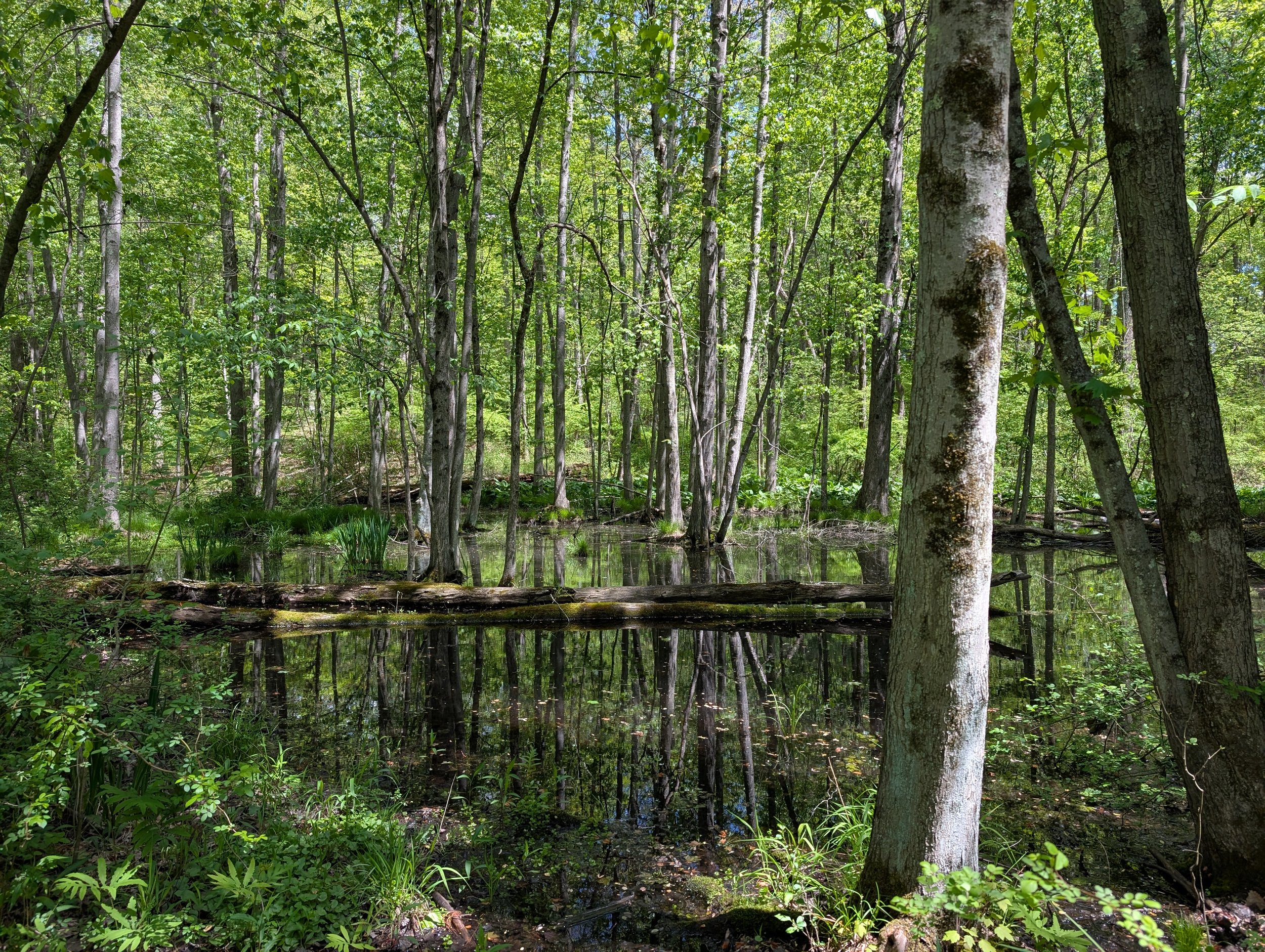
The Vassar Forest contains both wetland and upland forest communities. Wetland forest types include floodplain forests, Red Maple Hardwood Swamps, and Red Maple Swamp White Oak Swamps. Upland forest communities include beech maple mesic, Appalachian oak hickory, successional northern hardwood, and successional southern hardwood forests. The Vassar Forest also contains populations of spring ephemerals such as Trillium cernuum, Trillium erectum, Erythronium americanum, Asarum canadense, Sanguinaria canadensis, Podophyllum peltatum, Claytonia virginiana, Floerkia prospenoides, Cardamine concatenata, and Allium tricoccum.
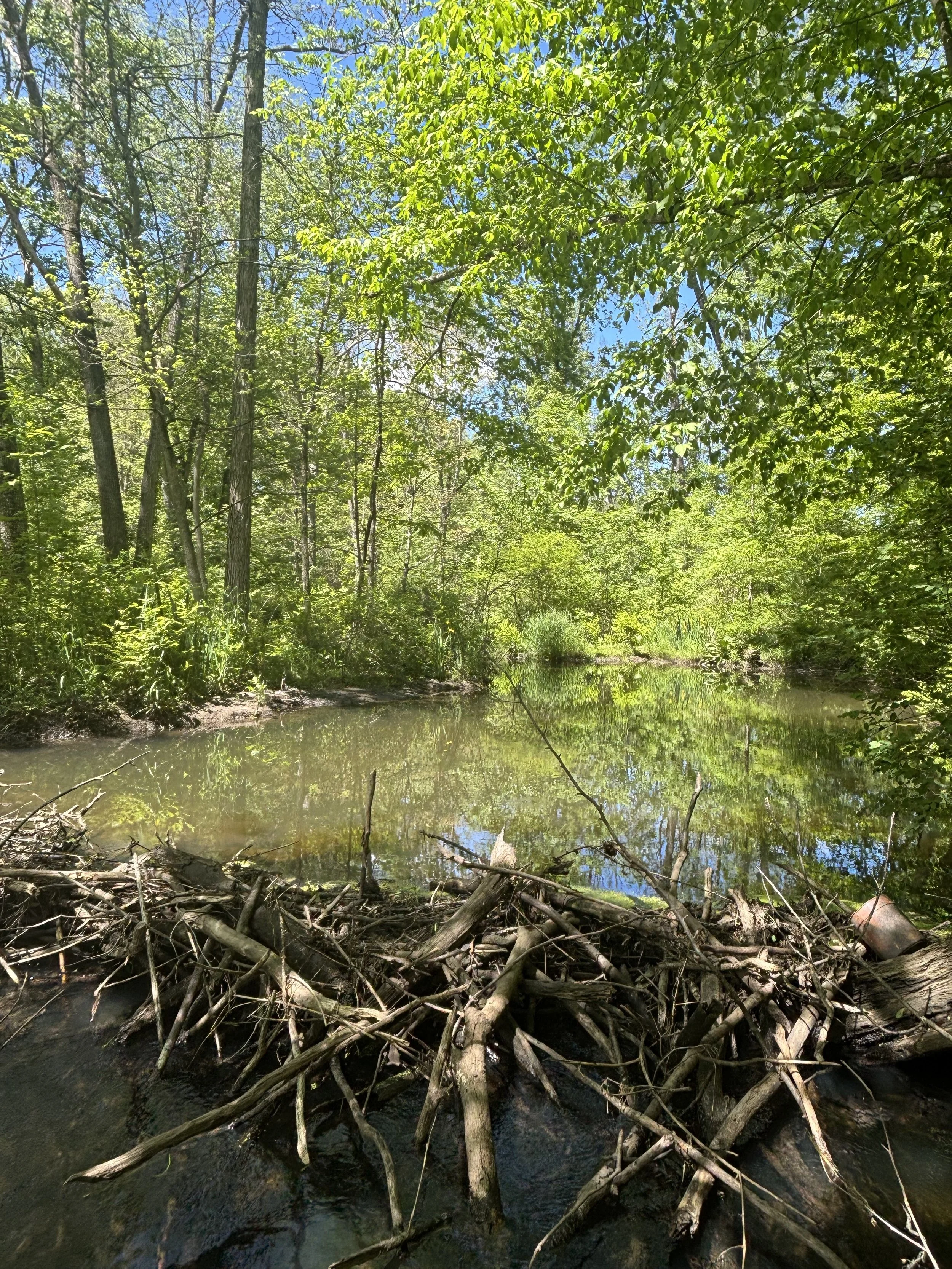
This forested corridor contains sections of the Casperkill Stream, a tributary of the Hudson River, which supports a diverse suite of wildlife. It also includes several vernal pools that are actively used by frogs and toads as a breeding site.
View All Network Forests in the State of New York
View All Network Forests in the U.S.
View All Forest Designations