
Mike Roess Gold Head Branch State Park
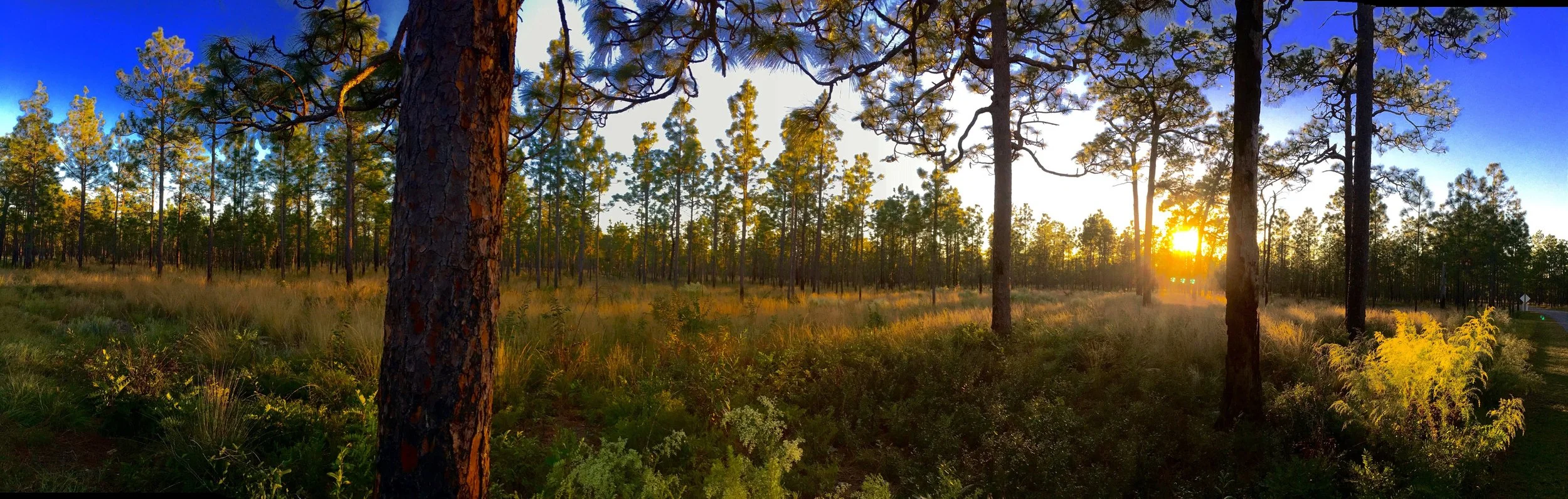
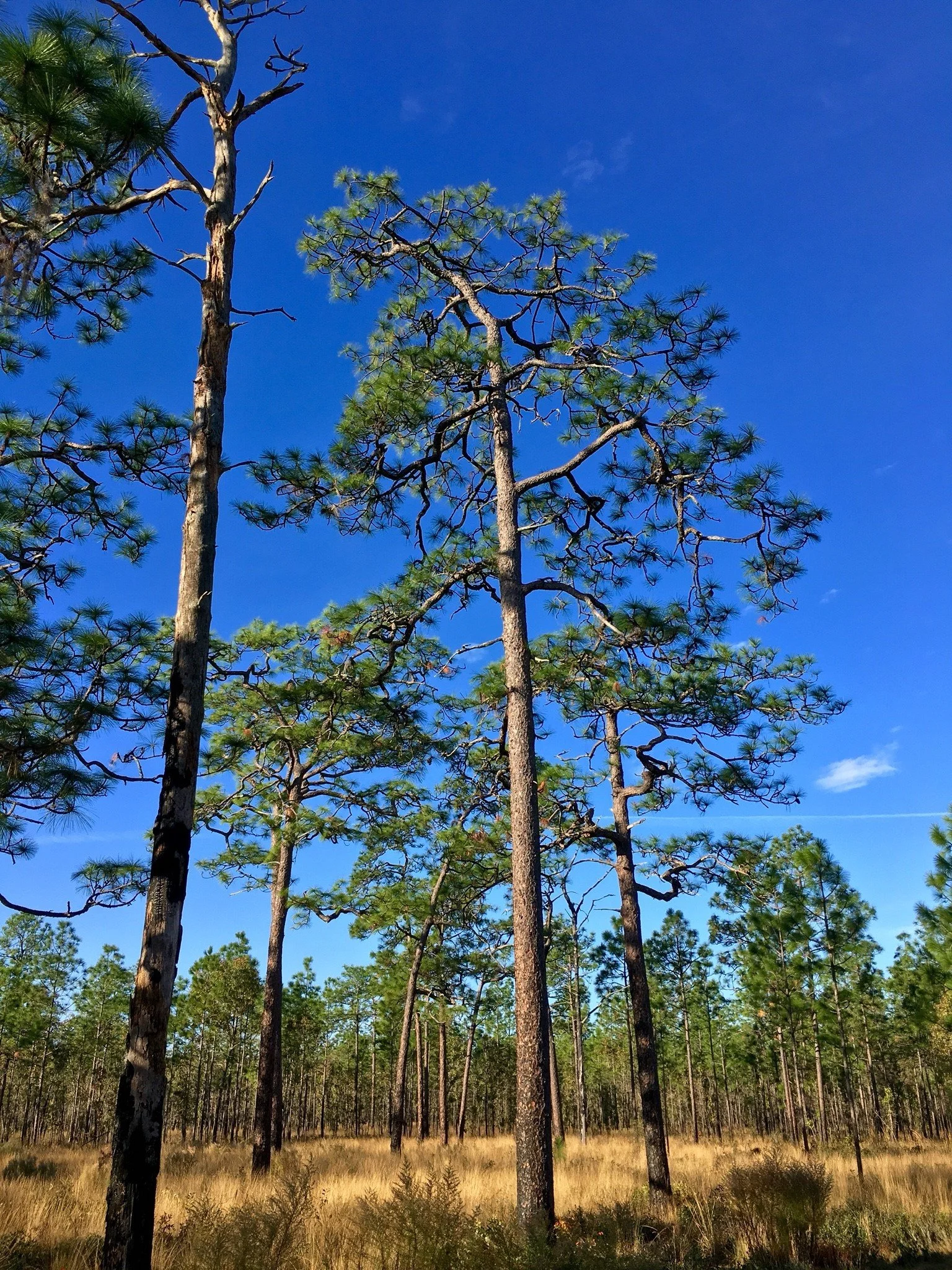
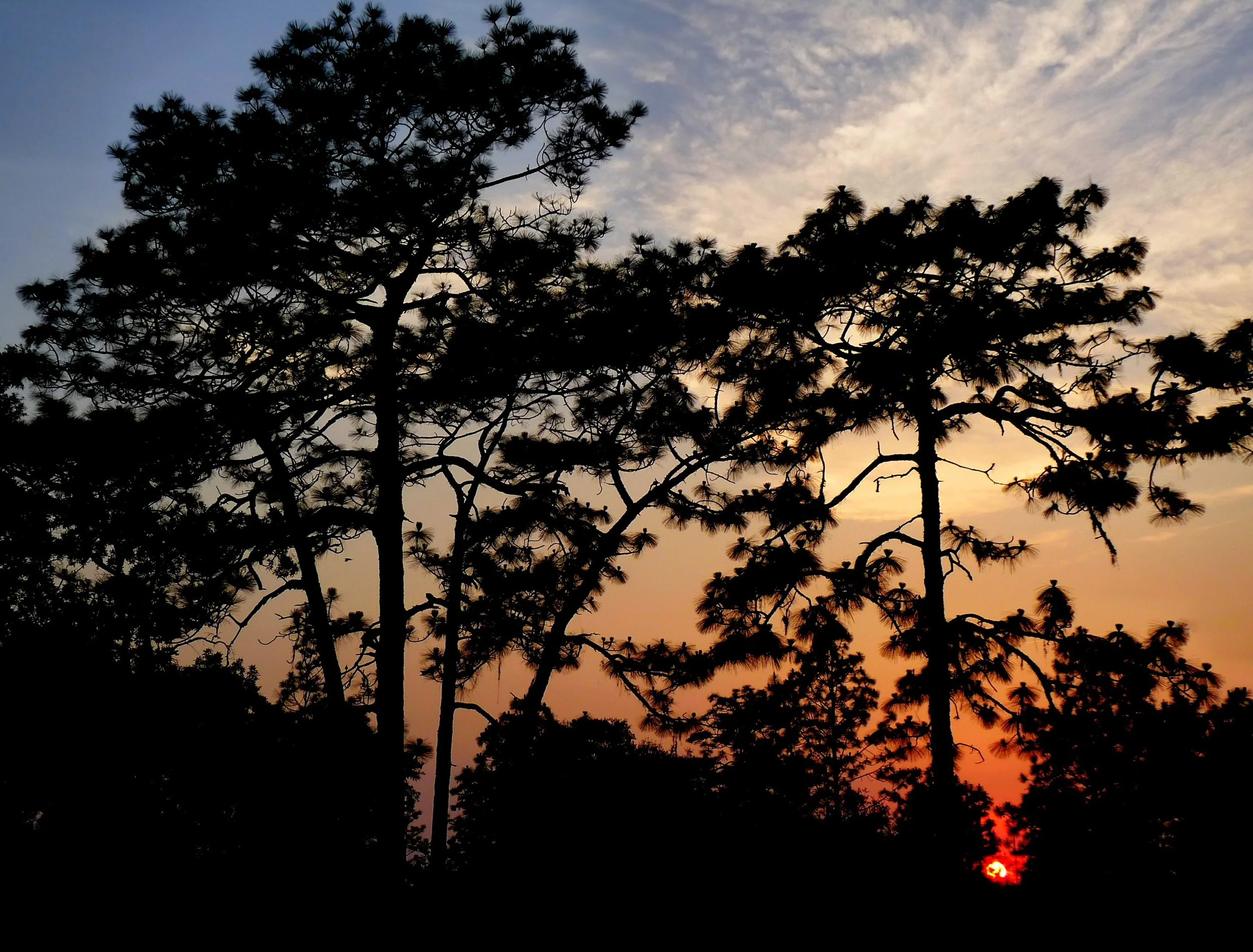
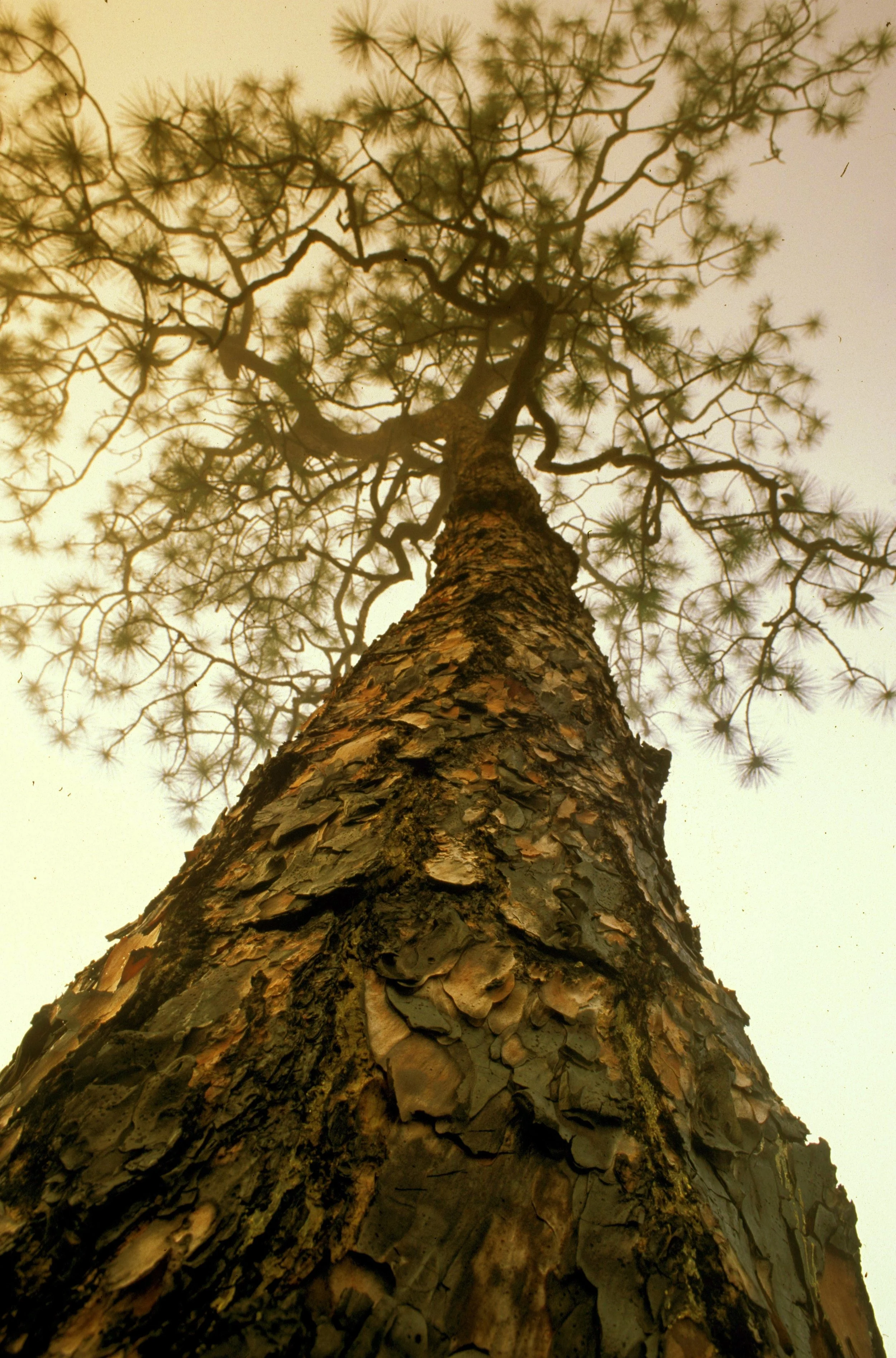
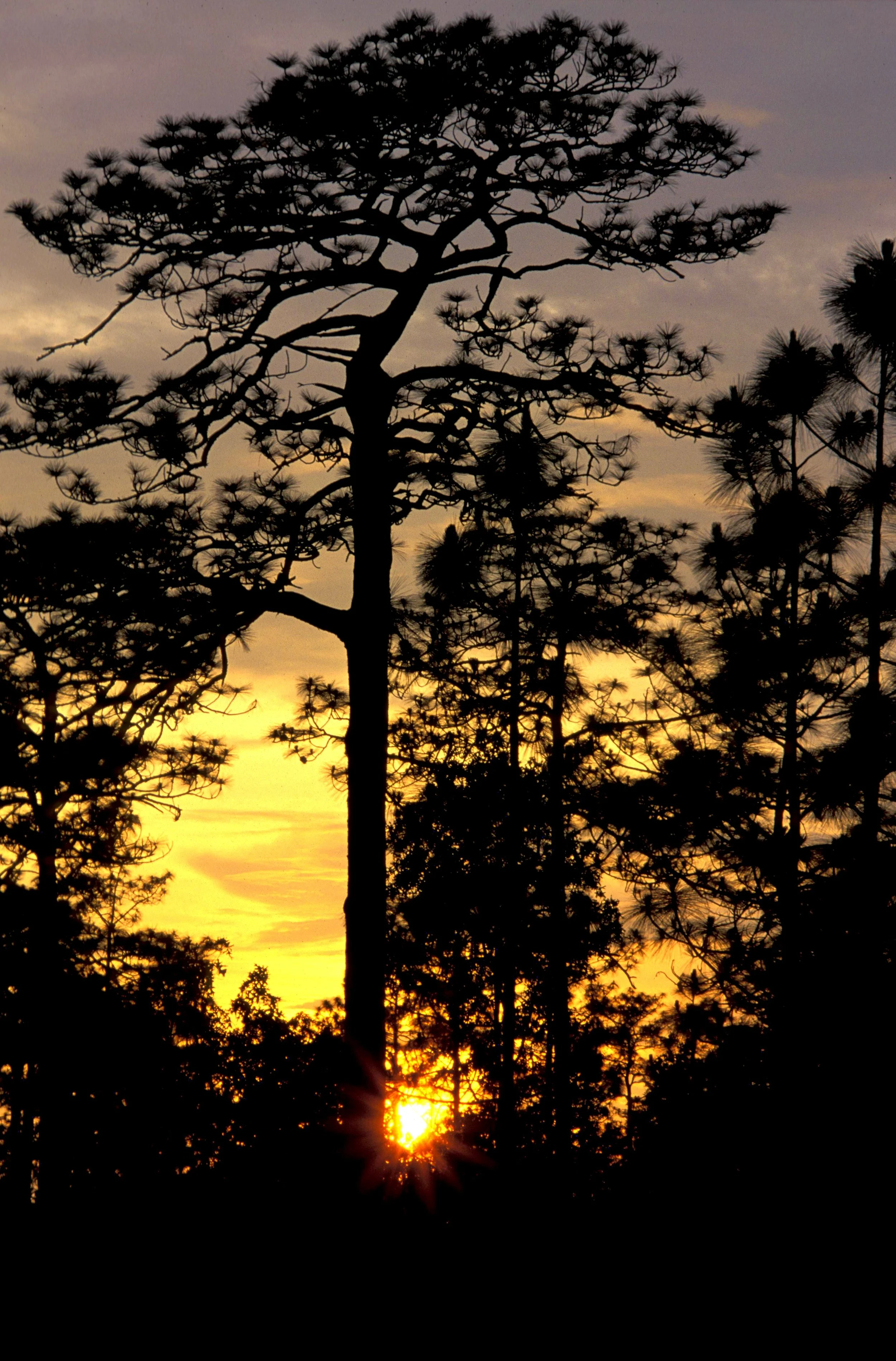
The park includes approximately 2,300 acres of natural communities and 68 developed or disturbed acres. Longleaf pine sandhill is the dominant natural forest with 1768 acres included within the park. Of that, 350 acres are considered to be old growth longleaf pine as documented in Johnson et al (2018). Selective coring of the largest longleaf pines exhibiting old growth characteristics resulted in numerous individuals over 200 years of age, with a maximum estimated age of nearly 400 years. The sandhill community at Gold Head is dominated by an overstory of longleaf pines (Pinus palustris) with an open midstory with scattered turkey oaks (Quercus laevis). Although fire-tolerant, individual turkey oaks do not typically reach an advanced age in areas with a natural fire regime.
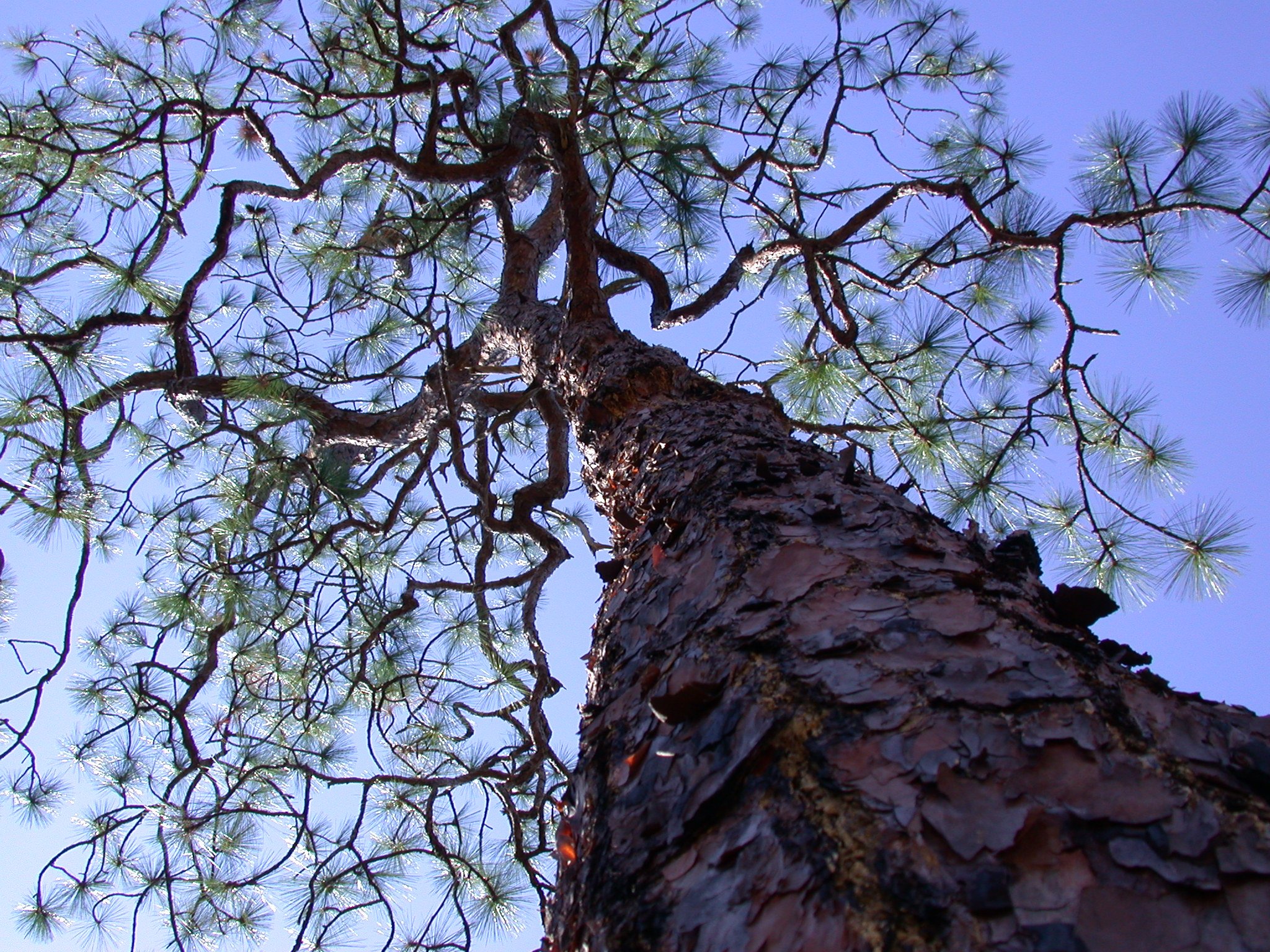
Floristic studies at the park include White and Judd (1985) and the Florida Natural Areas Inventory Reference Natural Community data (FNAI Reference Communities). The Gold Head sandhills are typical of the Trail Ridge region of NE Florida. Groundcover is dominated by pyrogenic grasses including wiregrass (Aristida stricta), lopsided Indiangrass (Sorghastrum secundum), pineywoods dropseed (Sporobolus junceus) and numerous herbaceous species. Johnson et al (2018) detailed the old growth characteristics of the site, including flat-topped longleaf pines with twisted limbs, evidence of red heart fungus, and box-cut turpentine scars. The park has historical records of red-cockaded woodpeckers which rely on old growth longleaf pines for nest sites. Southeastern kestrels breed onsite and utilize old longleaf snags for nest cavities, and Southern fox squirrels are often seen. Bachman’s sparrows nest in the open sandhills.
The park also contains the largest steephead ravine system in northeast Florida. Steephead ravines are a unique geological formation more common in the panhandle of Florida in the vicinity of the Apalachicola River.
Banner photo courtesy of Steve Earl.
View All Network Forests in the State of Florida
View All Network Forests in the U.S.
View All Forest Designations