
San Felasco Hammock Preserve State Park
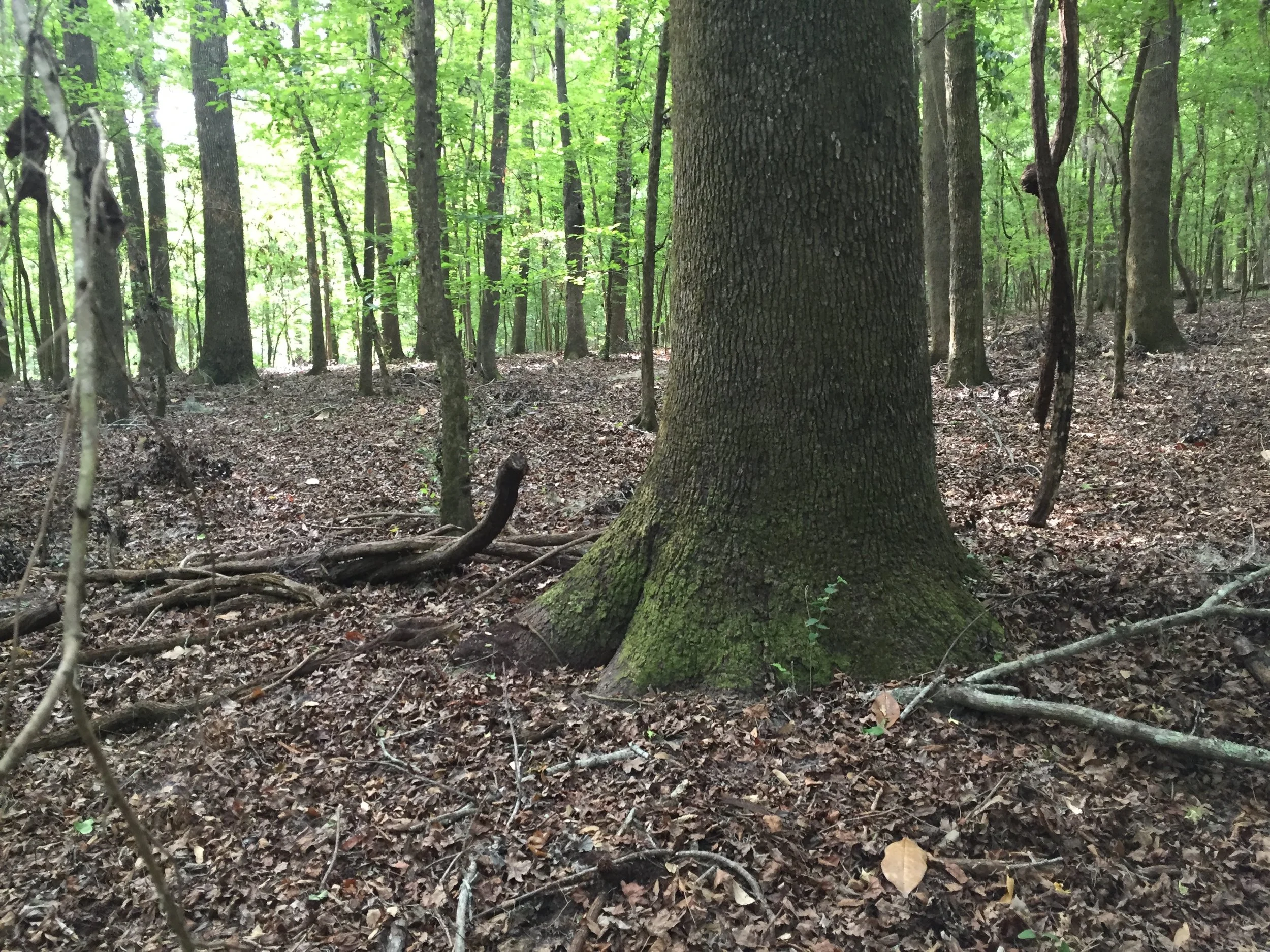
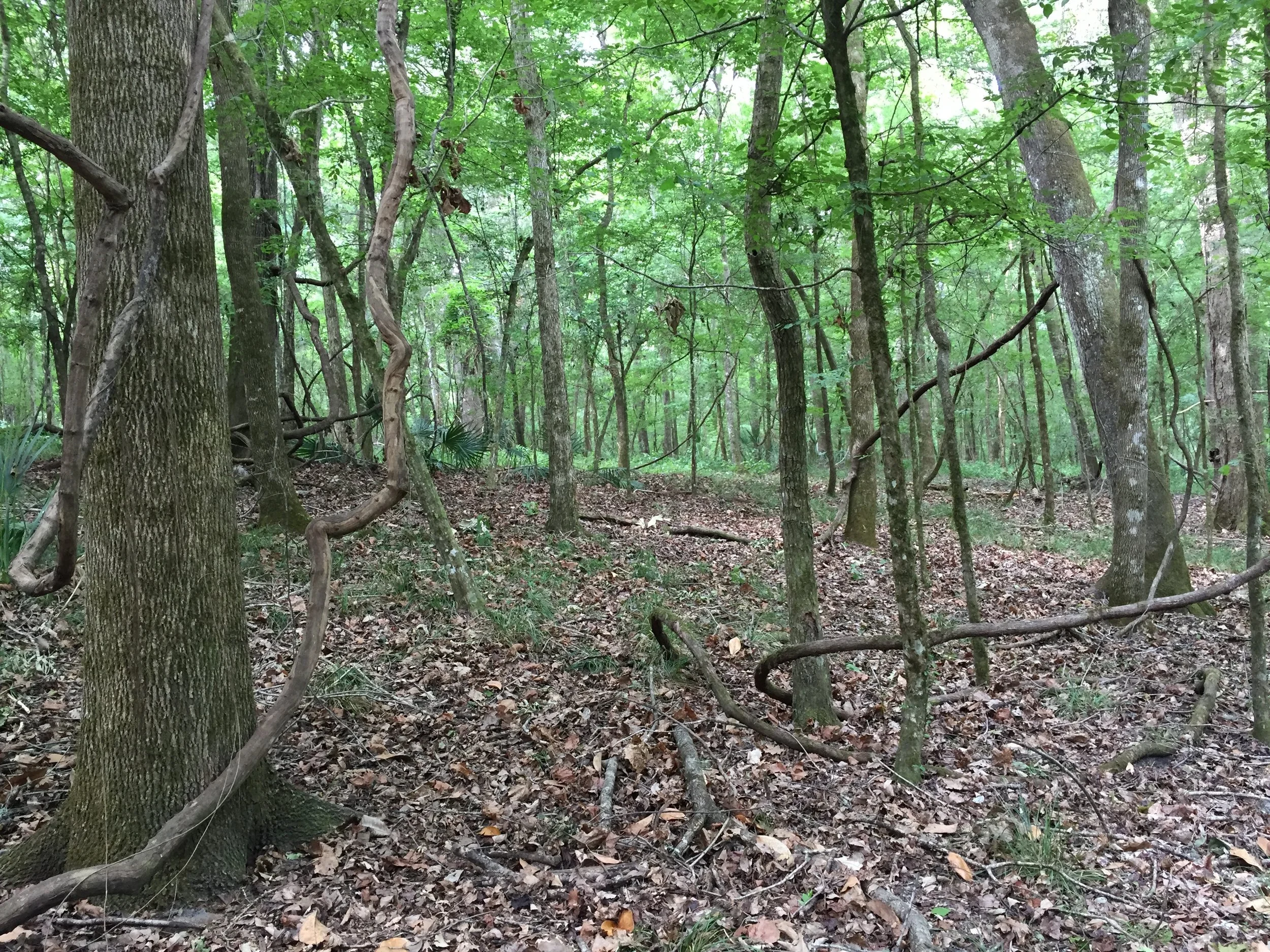
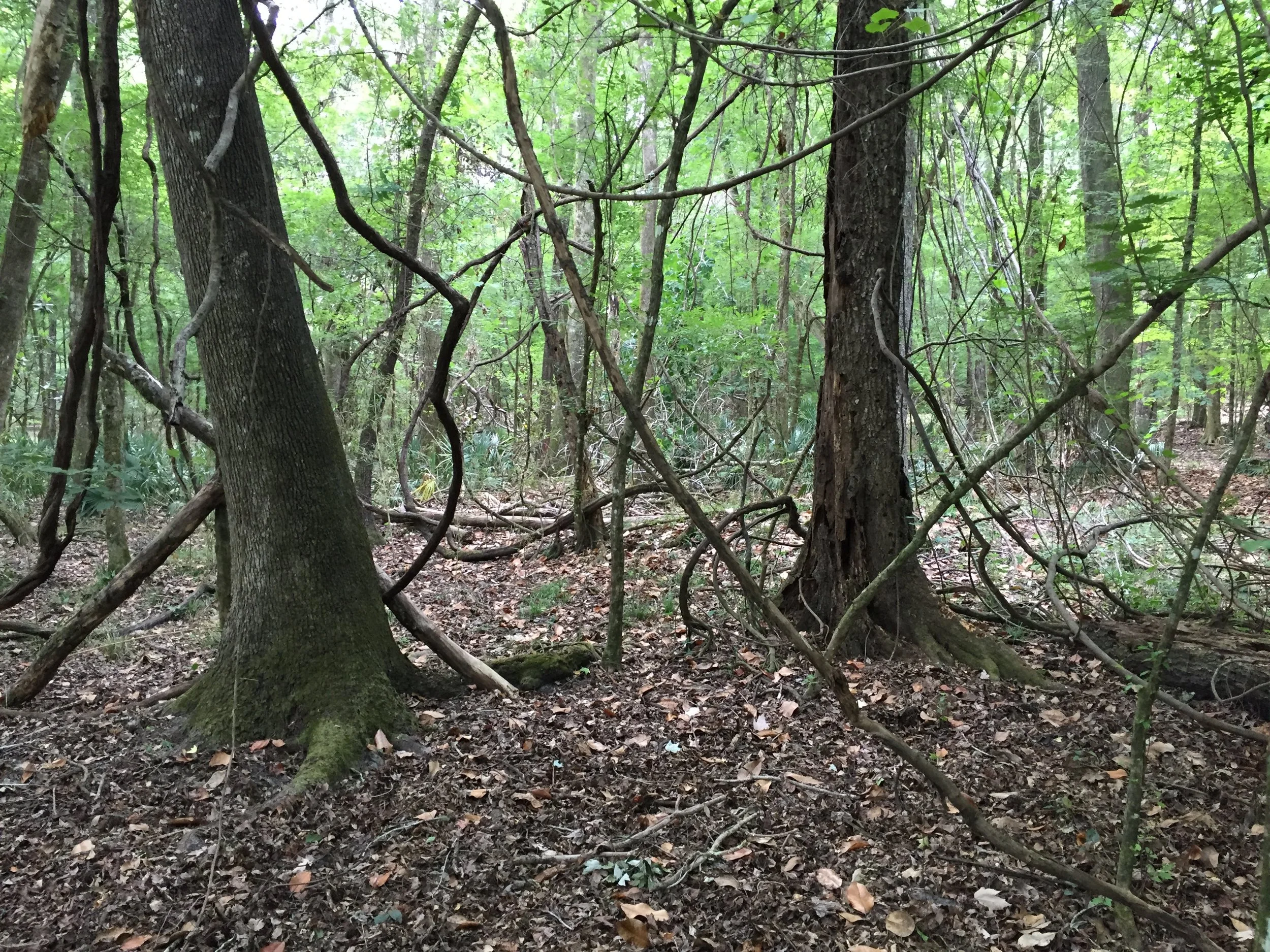
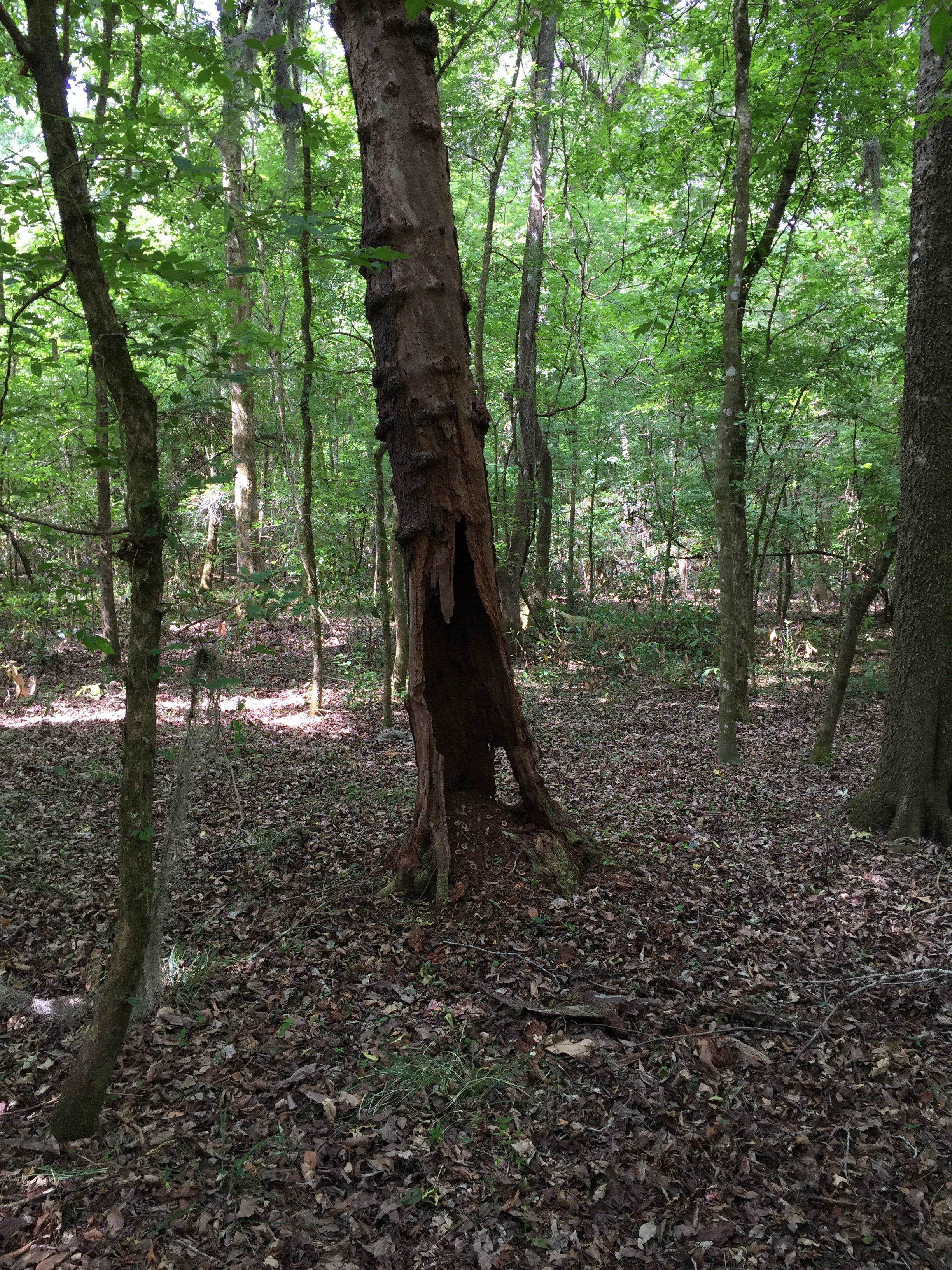
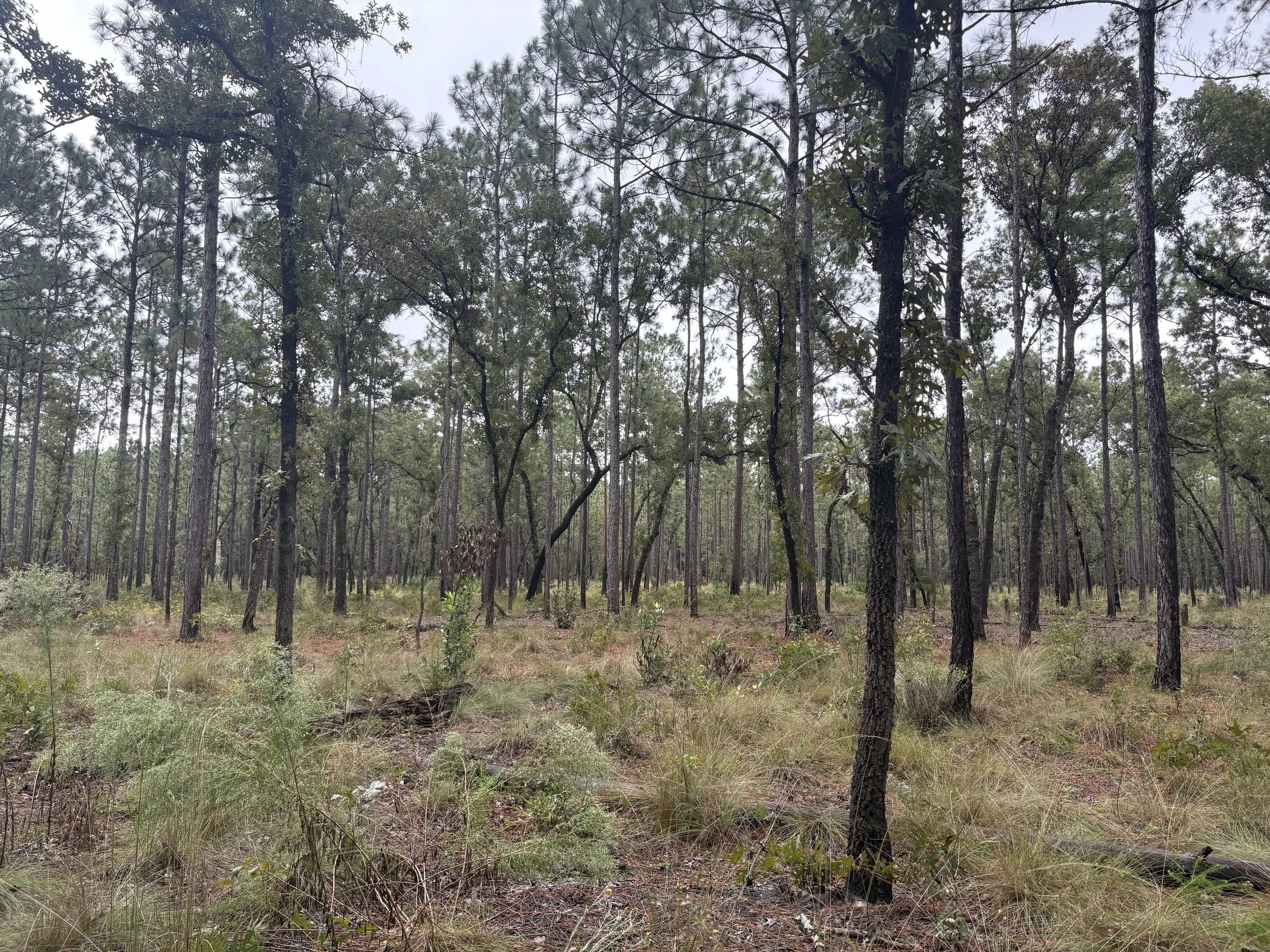
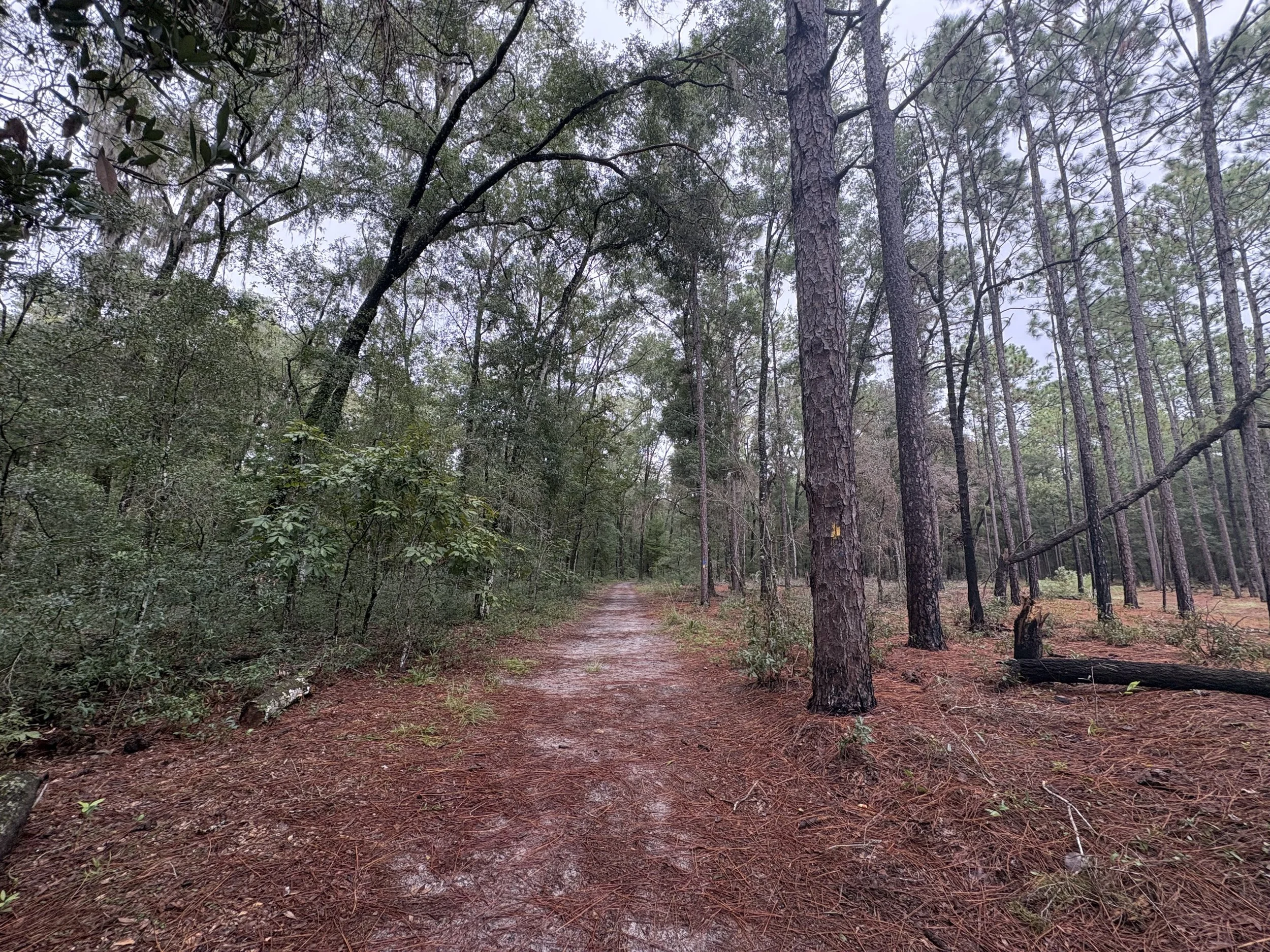
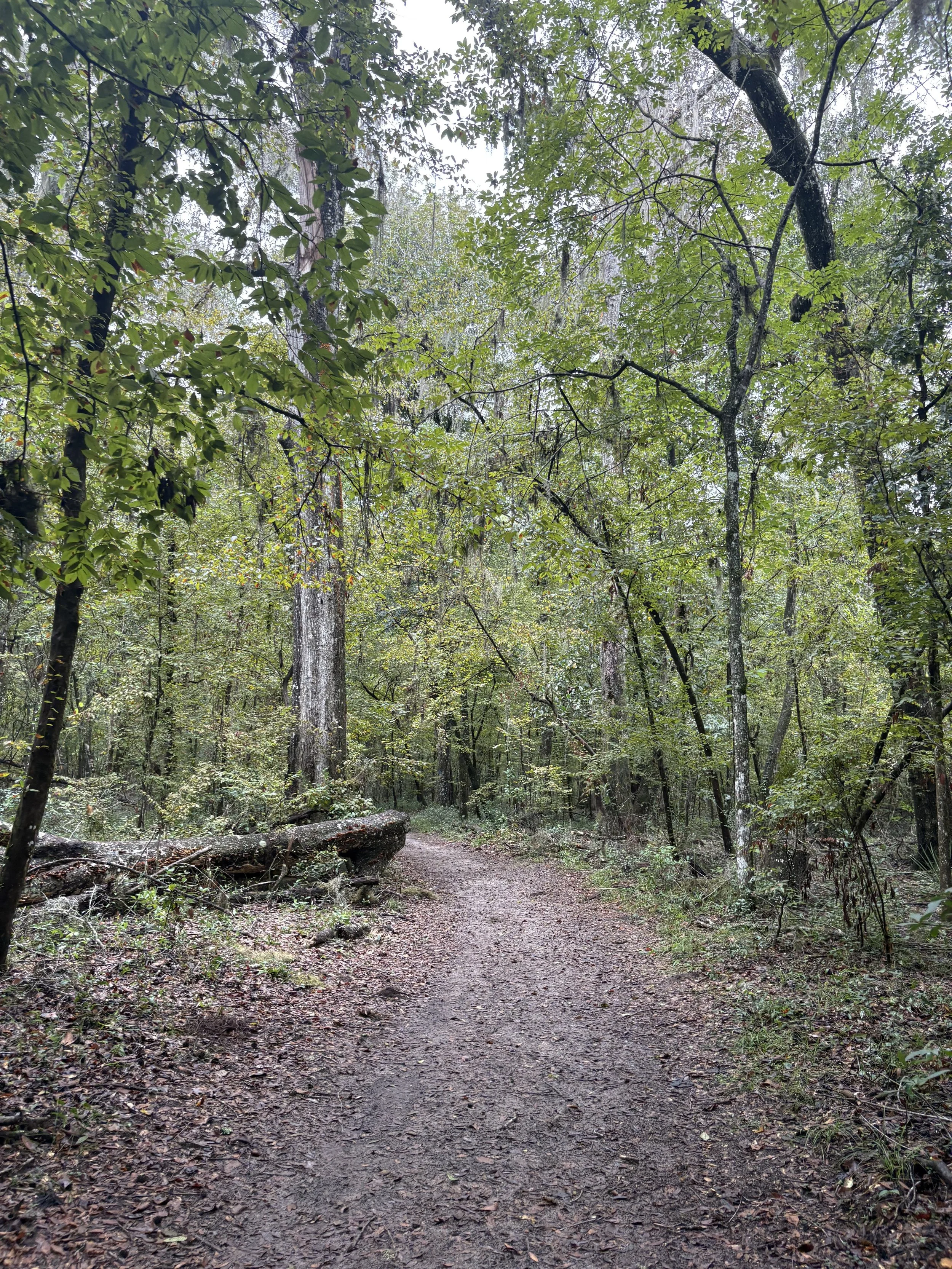
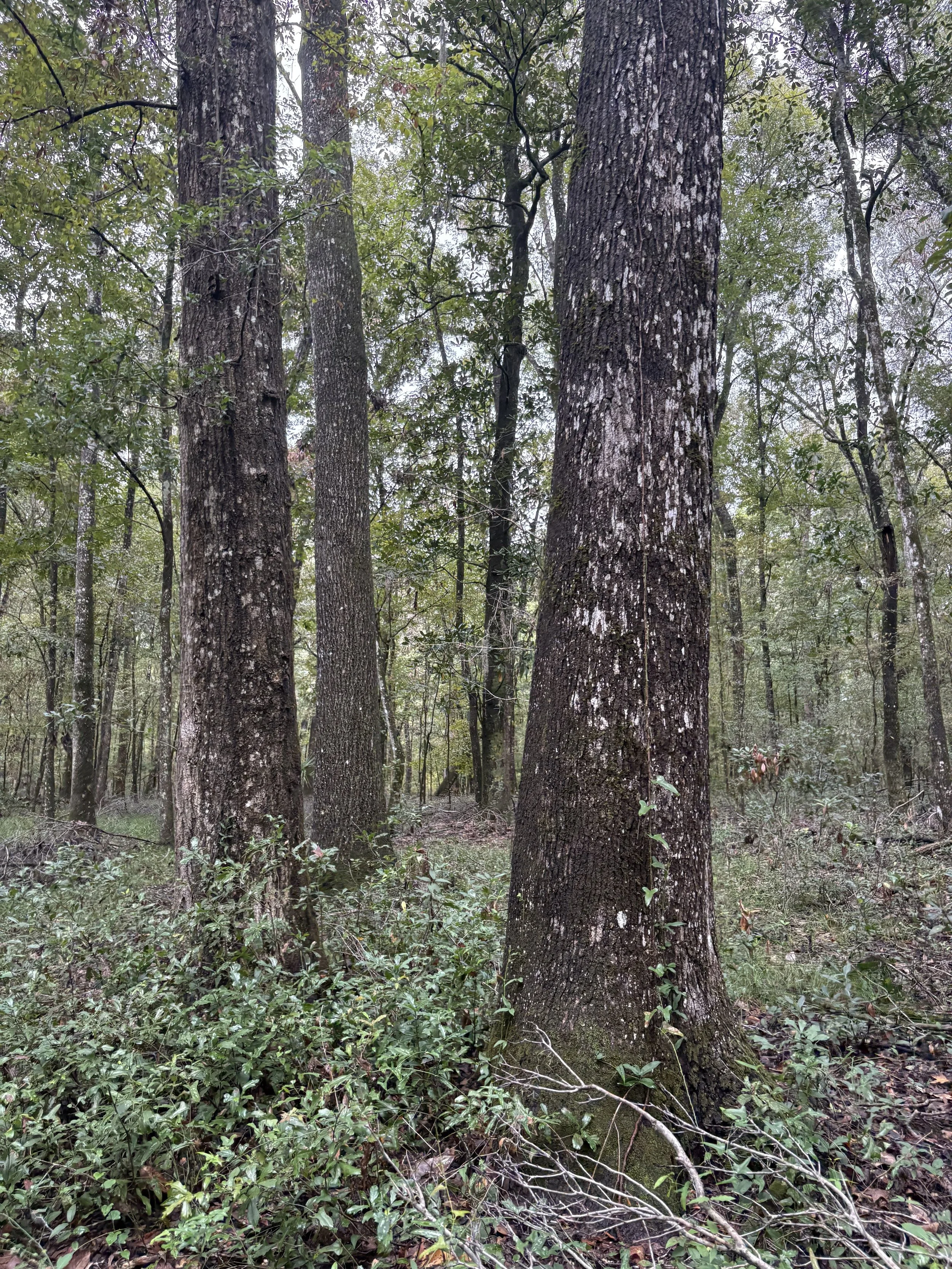
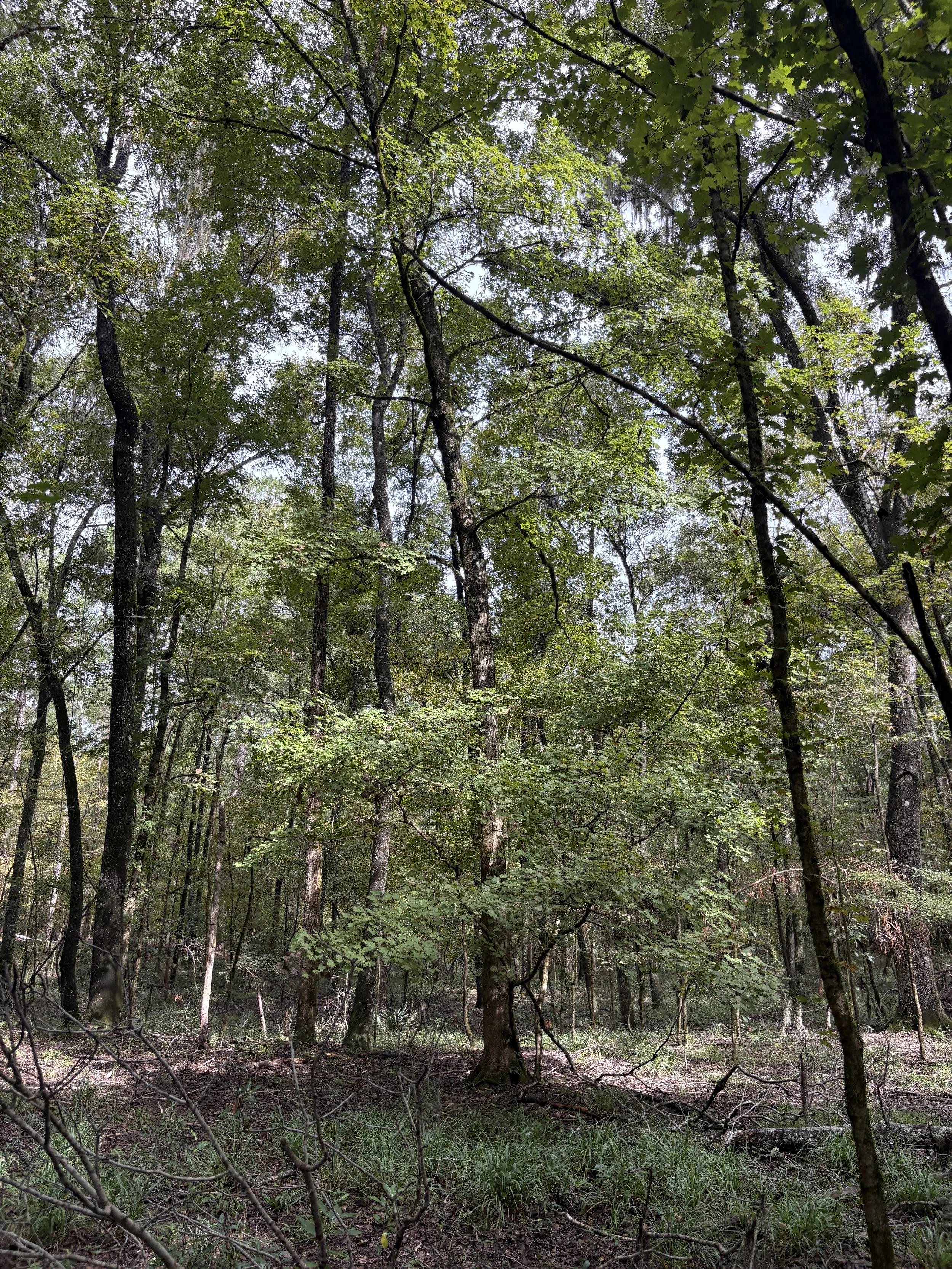
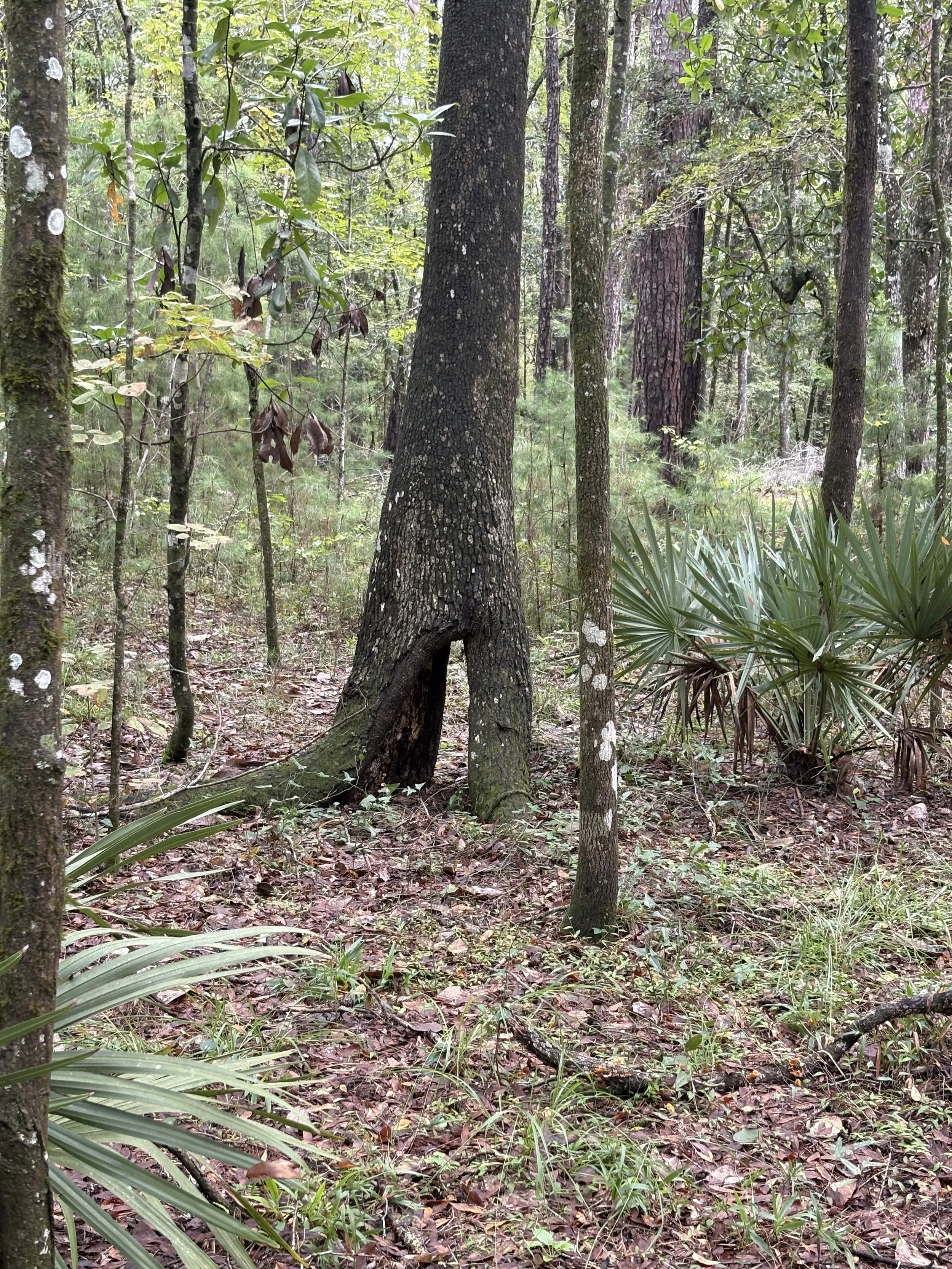
When visiting San Felasco Hammock Preserve, you traverse multiple Florida ecosystems including the incredibly special Upland Hardwood Hammock forest being recognized in the Network. When you cross the street to the Millhopper Trailhead North, you will see a restoration area of a mixed hardwood forest. The State park continues to expand the restoration in this area to bring back healthy biodiversity of this ecosystem. Continuing onto the Old-Spanish way Trail, you enter the hammock and may notice the change in moisture, shift in tree composition to hardwoods and a different understory layer. Noticing the old-growth features including large trees, downed woody debris, and the many generations of trees show why this property was selected as a Florida Natural Areas Inventory Reference Site! The maturity and undisturbed nature of this forest is an example for land managers statewide who steward this type of forest ecosystem.
San Felasco Hammock Preserve State Park is 7,353 acres, with 2,940 of those being classified as Upland Hardwood Forest and 690 acres classified as Bottomland Forest. It is estimated that 2030 acres of Upland Hardwood Forest and Bottomland Forest are old-growth or have old-growth characteristics. According to Dunn 1982, some selective logging occurred within the Upland Hardwood Forest and Bottomland Forest between 1937 and the late 1960s based on available aerial photography. These areas have been excluded from the acreage figures. A protected area totaling 4,467 acres is designated as a Wilderness Zone within the State Park and includes the majority of the old growth forest.
Many large diameter live oak, swamp chestnut oaks, and spruce pines occur on site, but no systematic coring or aging of the trees has been done. The Florida Natural Areas Inventory (FNAI) has designated a portion of the Upland Hardwood Forest as a Reference Natural Community Site and conducted floristic research on site.
View All Network Forests in the State of Florida
View All Network Forests in the U.S.
View All Forest Designations