
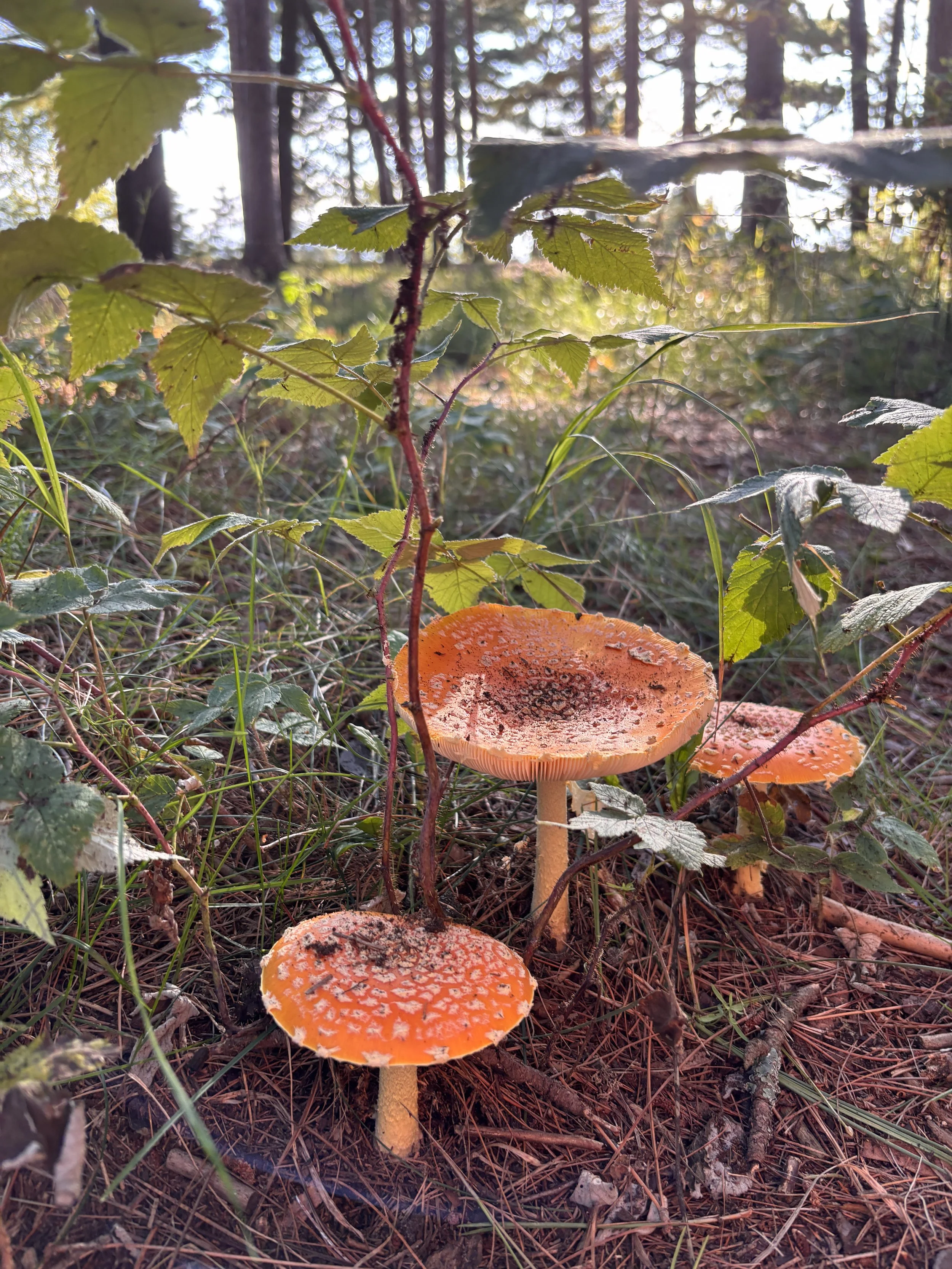
Minnesota Point Pine Forest State Natural Area
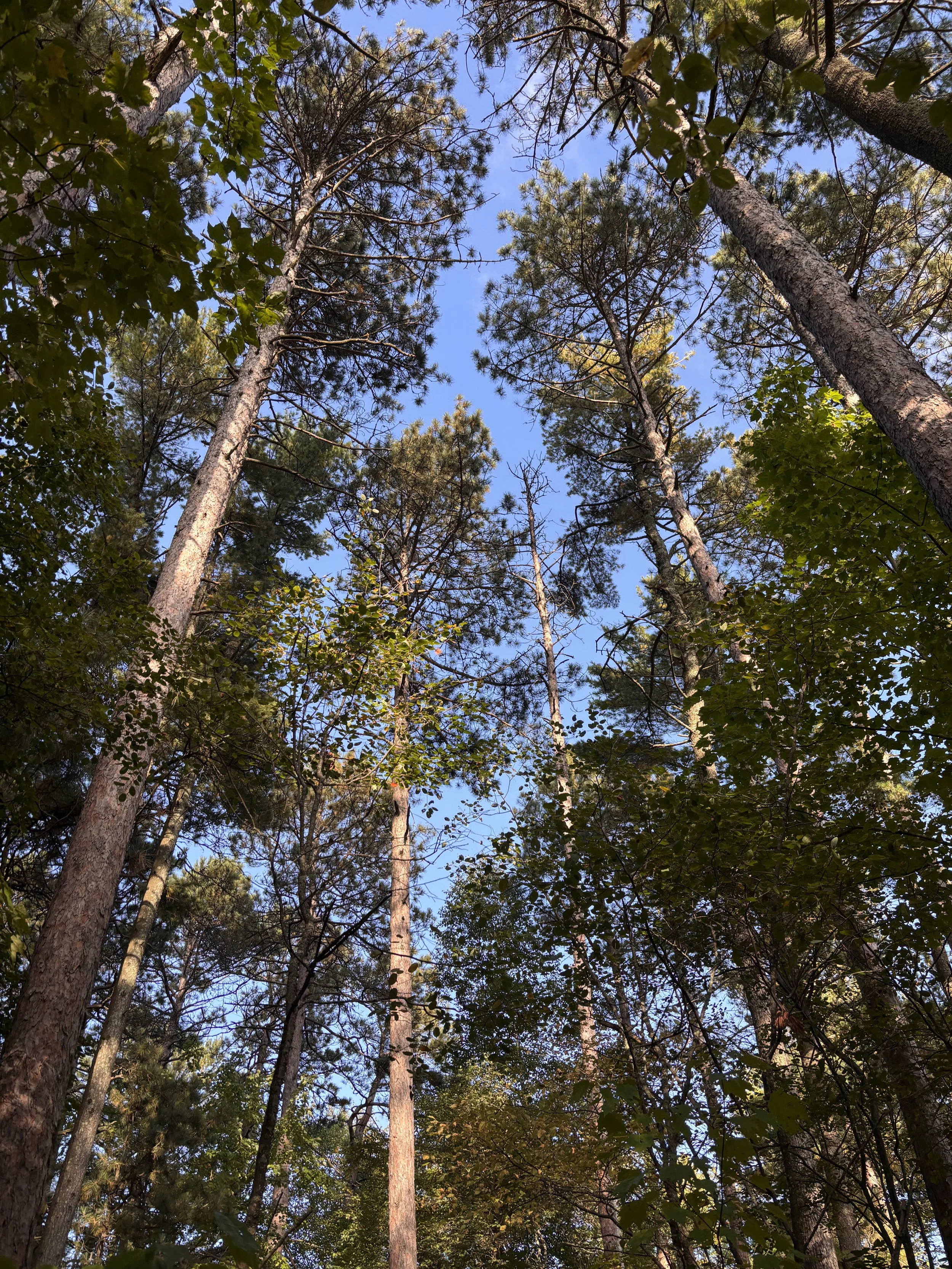
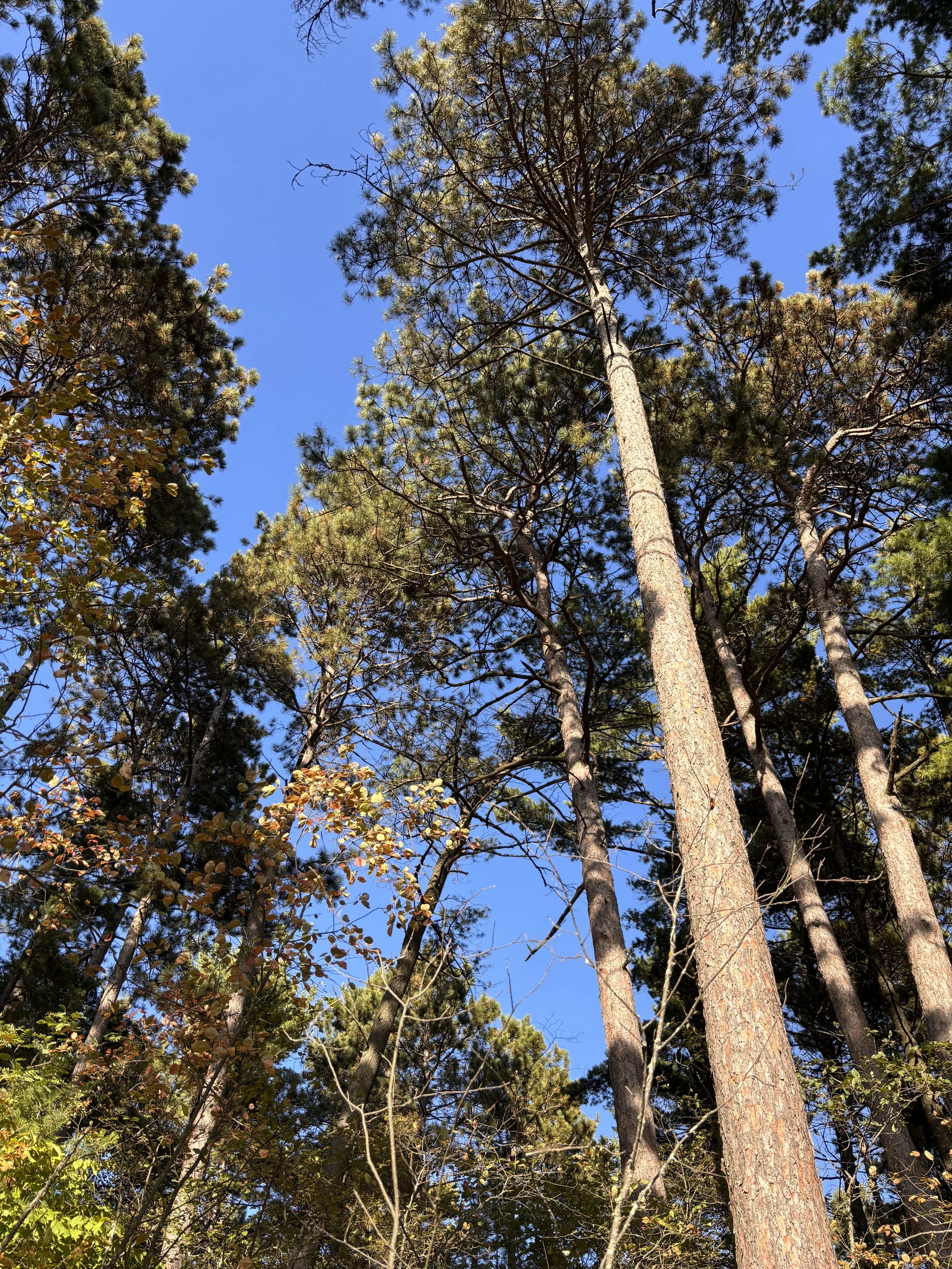
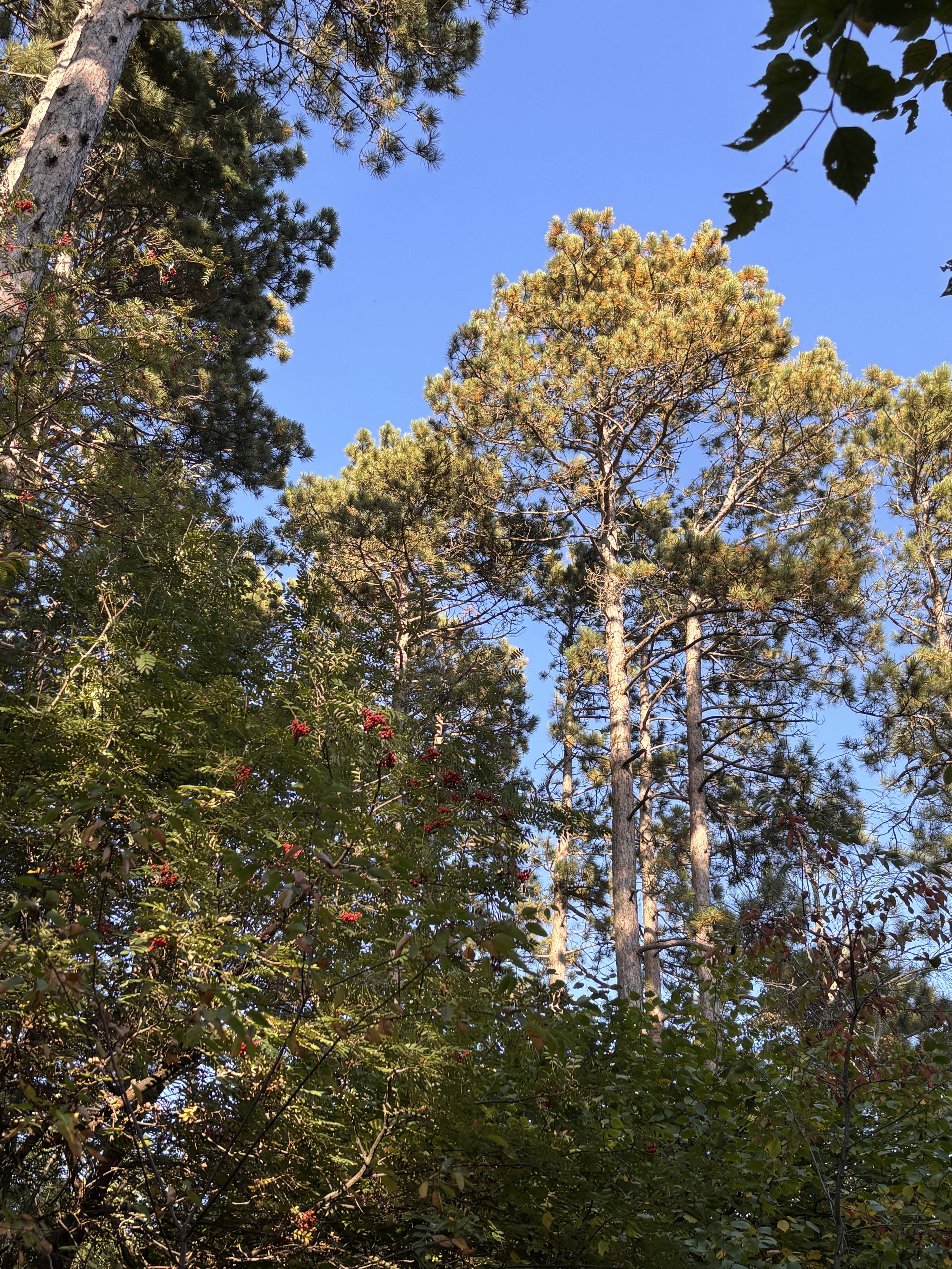
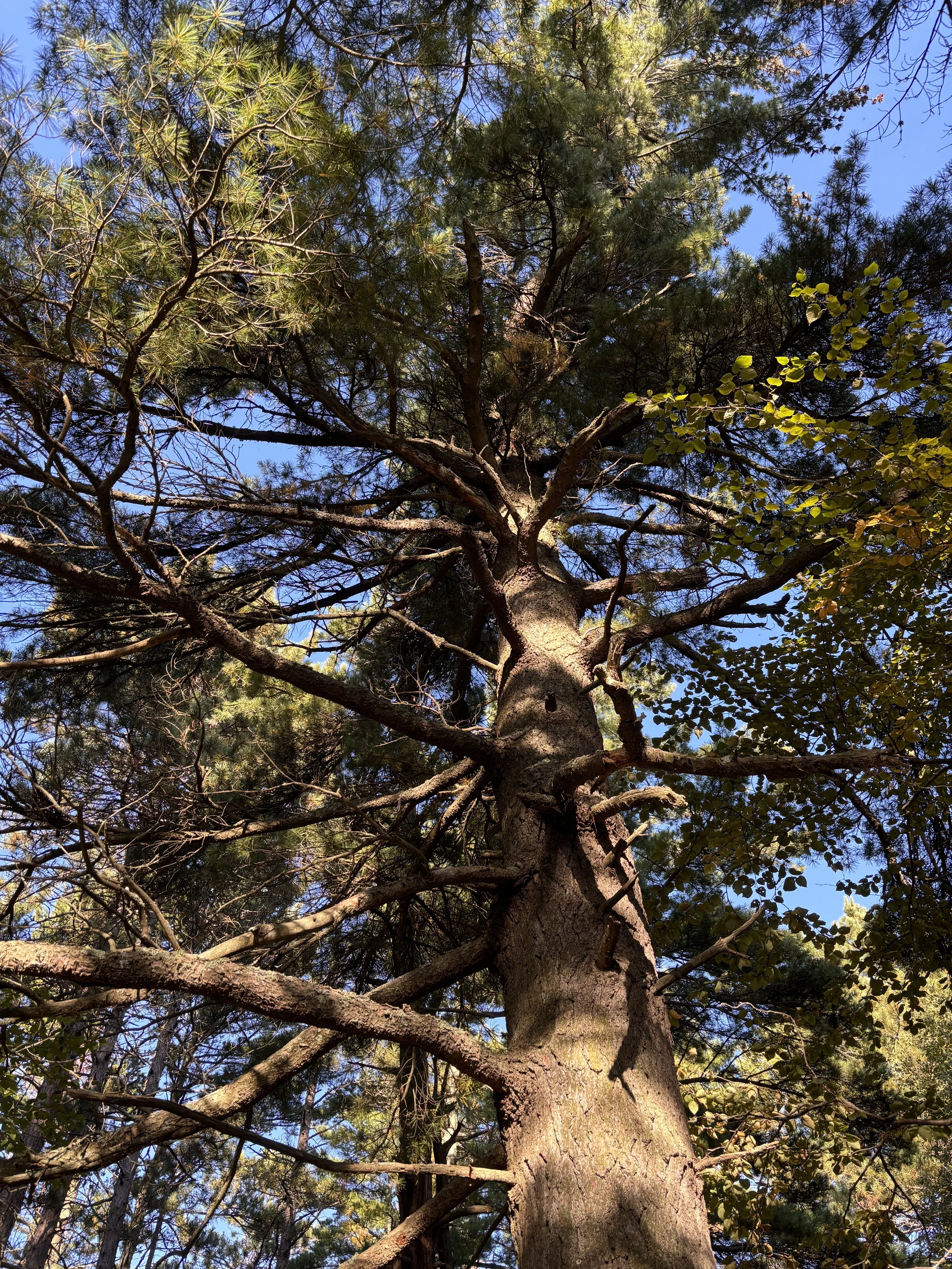
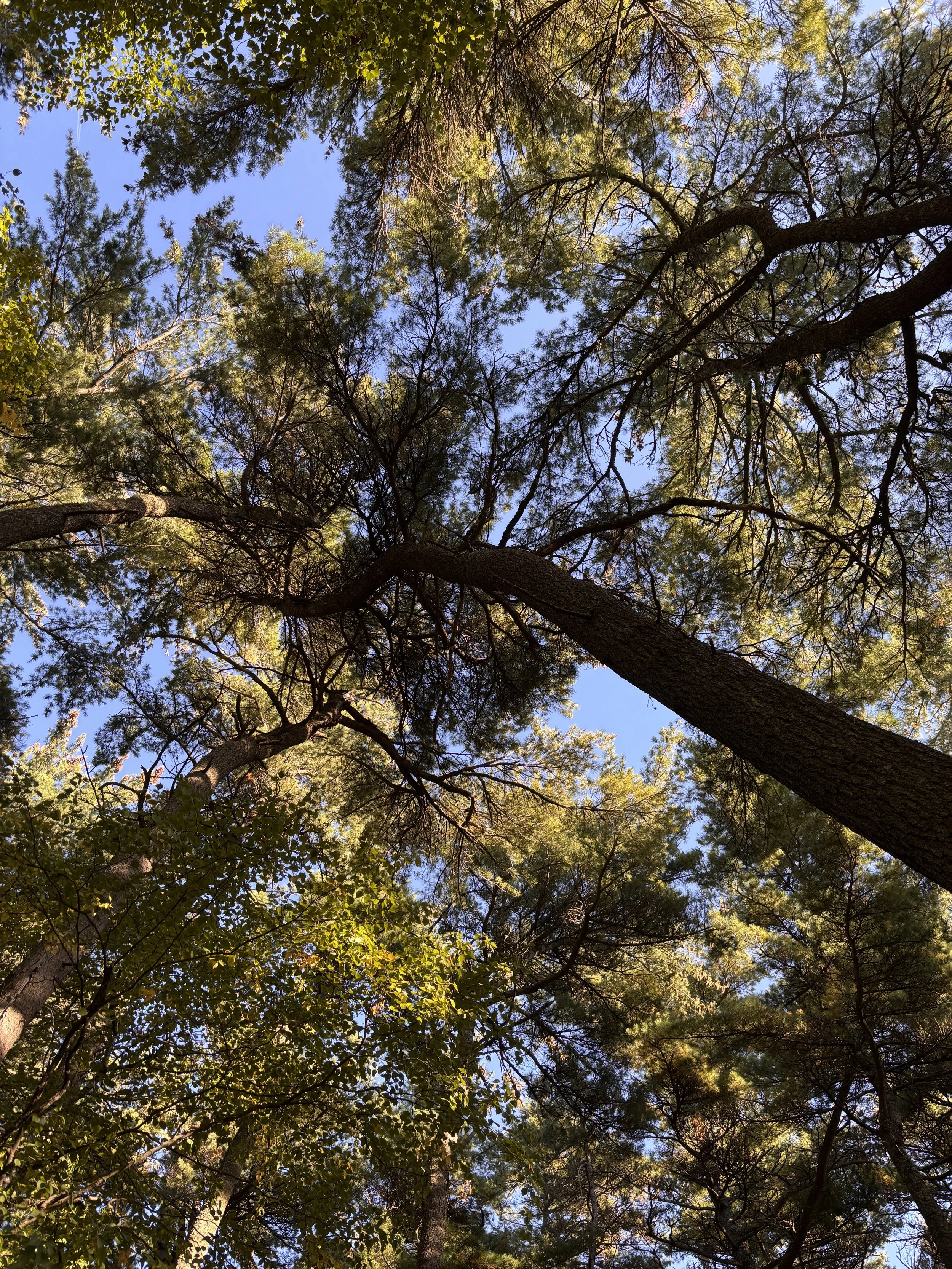
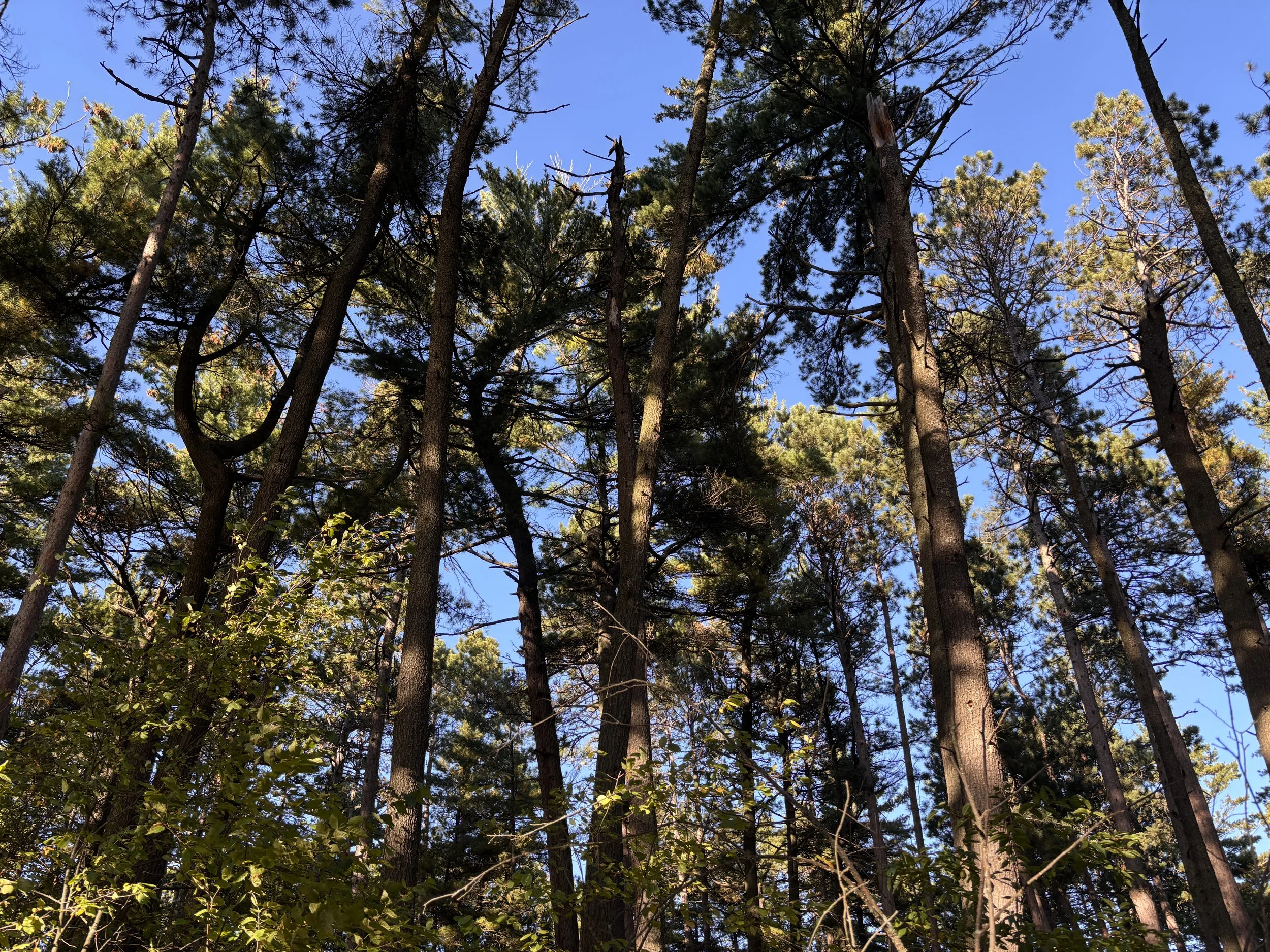
This 18-acre Scientific and Natural Area hosts a magnificent old growth pine forest near the eastern tip of Minnesota Point, the 7-mile long sandbar that shelters the Duluth Harbor and Superior Bay from the open waters of Lake Superior. Large red and white pines are anchored in the sandy soil of beach ridges. Many are between 120 and 200 years old, their crowns rising higher than 100 feet.
It's an old forest on a geologically young sandbar which is itself a significant natural feature. Ideas about the origins of this baymouth bar system (which includes 3-mile long Wisconsin Point) are still evolving. Dr. Andy Breckenridge, University of WI-Superior, theorizes that it may have formed during a period of rising lake levels less than 1200 years ago, when sediments carried in longshore currents were deposited along a pre-existing beach ridge.
The SNA is comprised of two parcels, each of which is surrounded by other public lands. One of these spans the .3-mile width of the Point, its north side exposed to the wind and waves of Lake Superior and its south (bay) side more protected. Bands of vegetation correspond to the increasingly stable conditions as one moves inland from the water's edge. Wave-washed shoreline and open beach transition to beachgrass dune, then to juniper dune shrubland, and finally, to the pine forest on the interior. Rare plants that occupy these specialized habitats include beach heather, slender hair grass, and American beach grass (listed as threatened in Minnesota, and at the western edge of the species' natural range here).
Together with the adjacent St. Louis River estuary, this is a hot spot for birders and outdoor enthusiasts. During spring and fall the Point serves as a critical stopover area for migratory birds funneling along the North Shore to rest and refuel. The SNA's old growth forest also offers summer breeding habitat for up to 16 species of northern forest birds. The flowers of spring blooming cherries, currants, and blueberries can be seen buzzing with yellow-banded bumble bees and other bees.
As visitors enter the cool, shady forest of the SNA with its towering red and white pines, the benefits of its preservation are abundantly clear. There is nowhere else in Minnesota quite like it.
View All Network Forests in the State of Minnesota
View All Network Forests in the U.S.
View All Forest Designations