
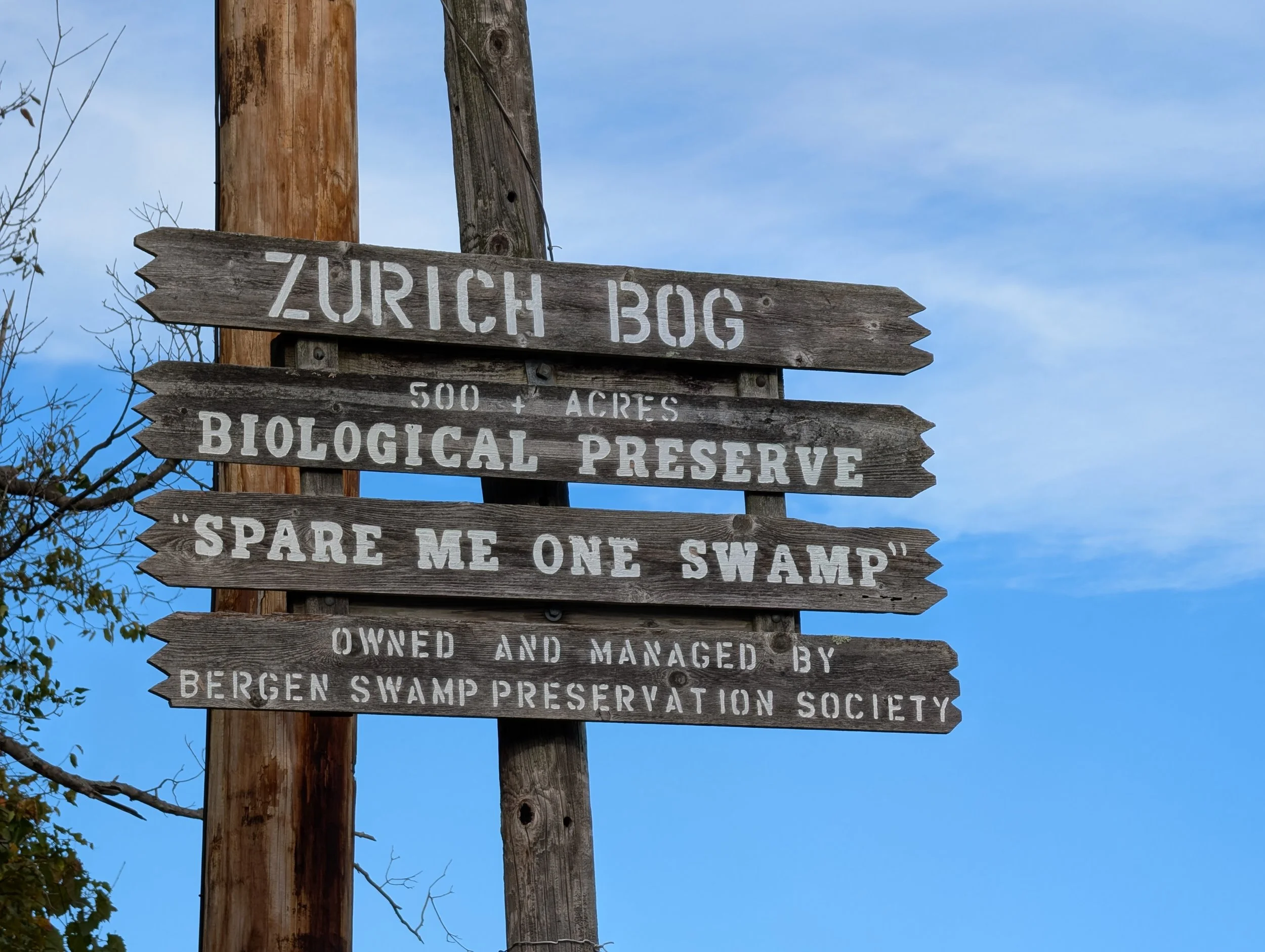
Zurich Bog
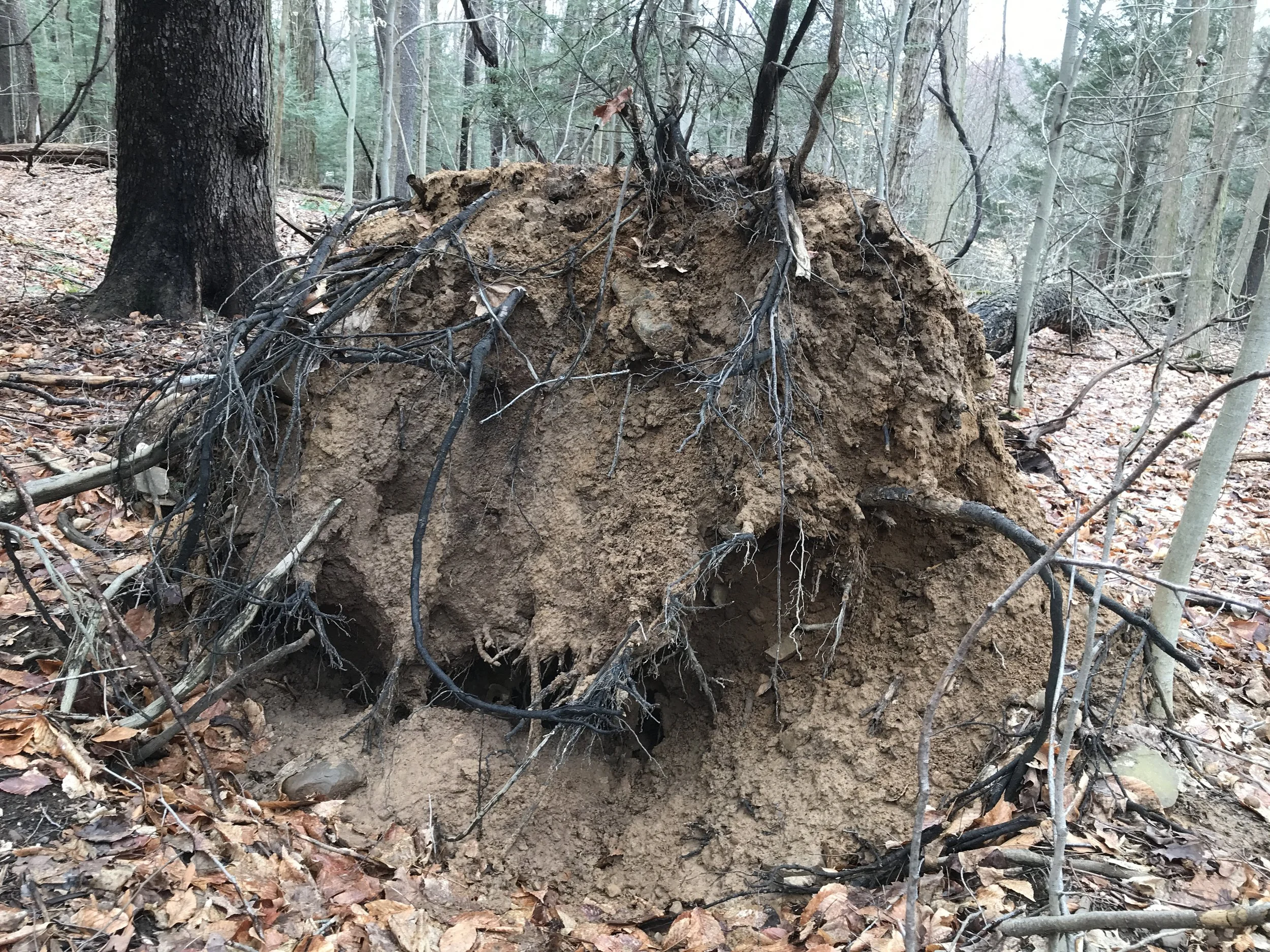
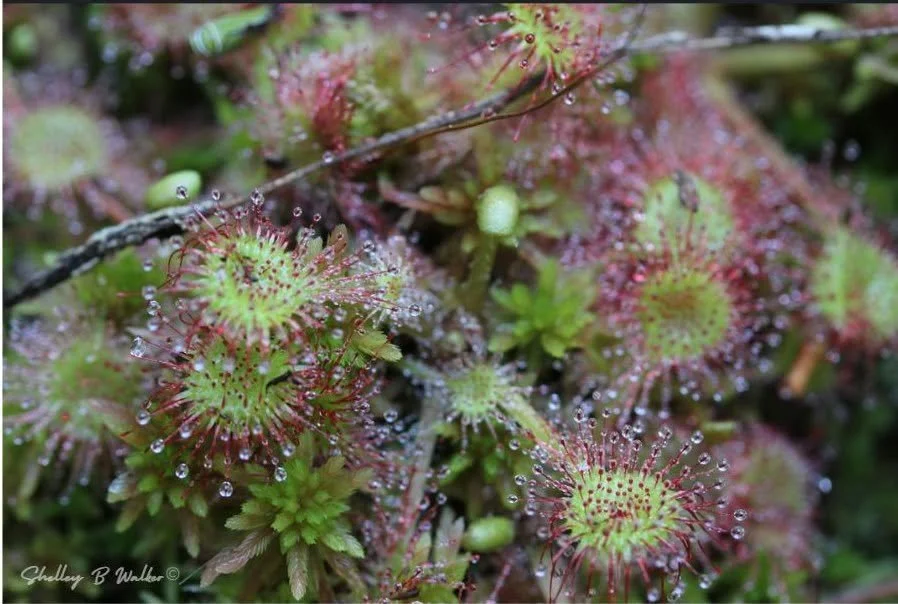
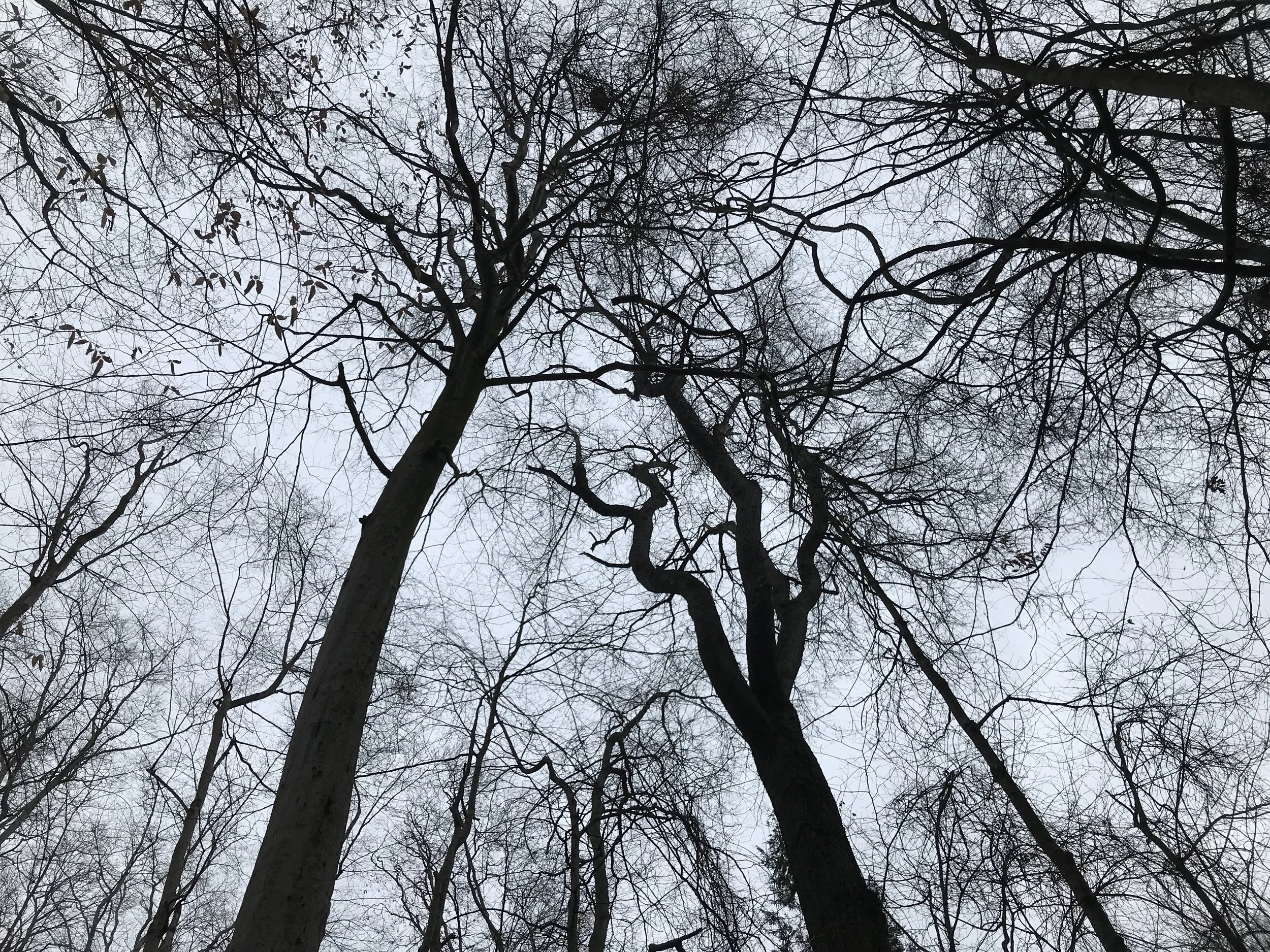
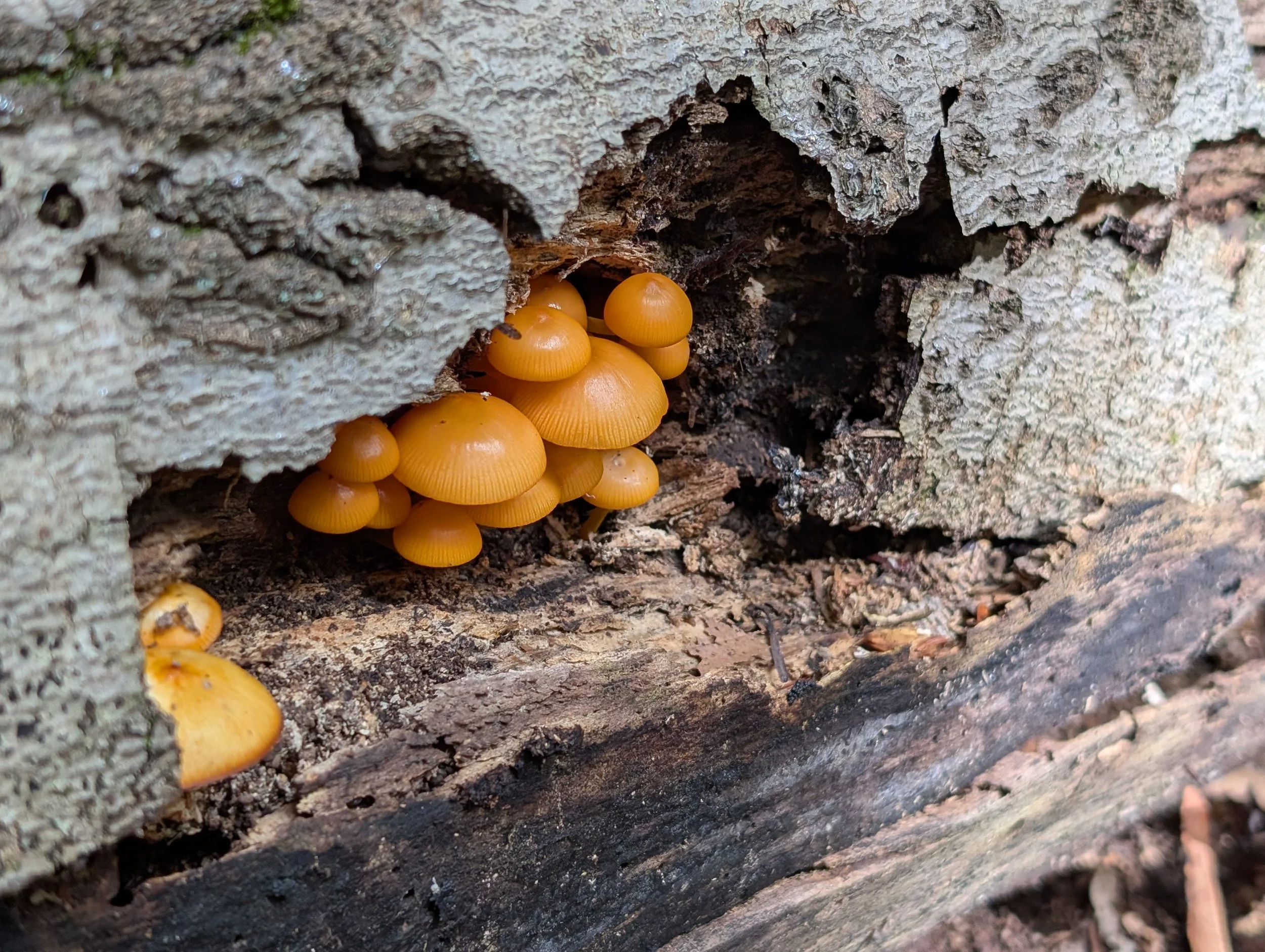
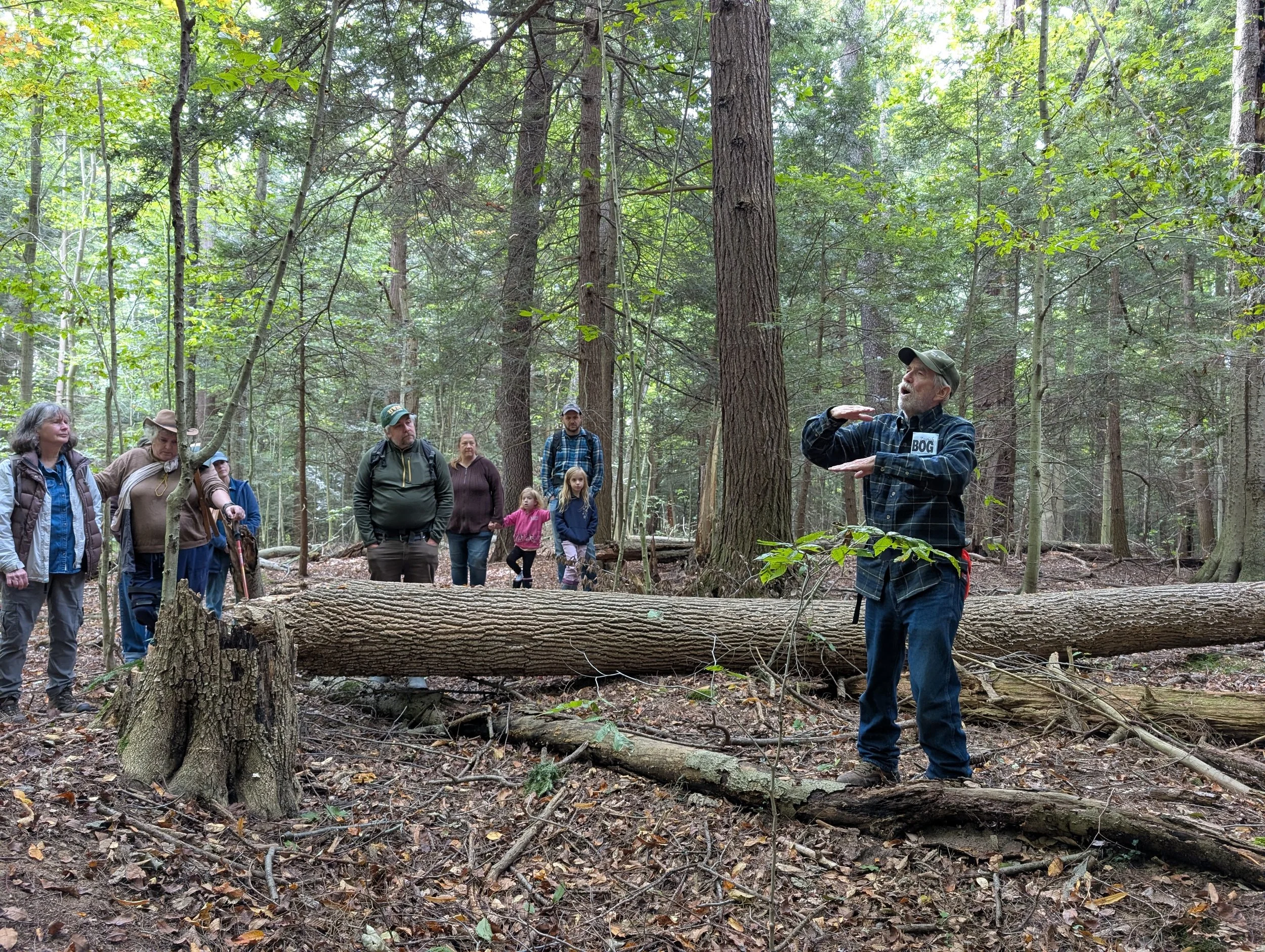
Zurich Bog is a large, locally acidic wetland/fen trapped between large drumlins in central New York State. Such wetlands were never common in this portion of the Great Lakes plain but have become increasingly rare since European settlement due to drainage, filling, and pollution. The full property occupies 660 acres dominated by wetlands and swamp forest, but a small, 20 to 30-acre drumlin in the center of the wetland area is home to an unlogged persistent forest. Sugar maples, American beech, black cherry, yellow and white birch, and tuliptree dominate the deciduous forest on the higher portions of the 40’ high drumlin. There is an unlogged eastern hemlock forest at the southern and downslope end, with some white pine. The crest of the drumlin contains the telltale characteristics of persistent forest: large tip-ups, fallen decaying trees, and pit and mound topography. At its northernmost point, the loop approaches a floating moor, botanically, a graminoid fen.
On September 7, 1973, Zurich Bog was designated as a National Natural Landmark. Over the past 7 decades, research has been conducted under the stewardship of BSPS by students and faculty from many of the local colleges and universities. This work continues today in both the old-growth forest and the wetlands/bogs that surround it.

View All Network Forests in the State of New York
View All Network Forests in the U.S.
View All Forest Designations