Old-Growth Forests of the Southeast May Be Closer Than You Think!
By Southeast Regional Manger, Ciera Wilbur
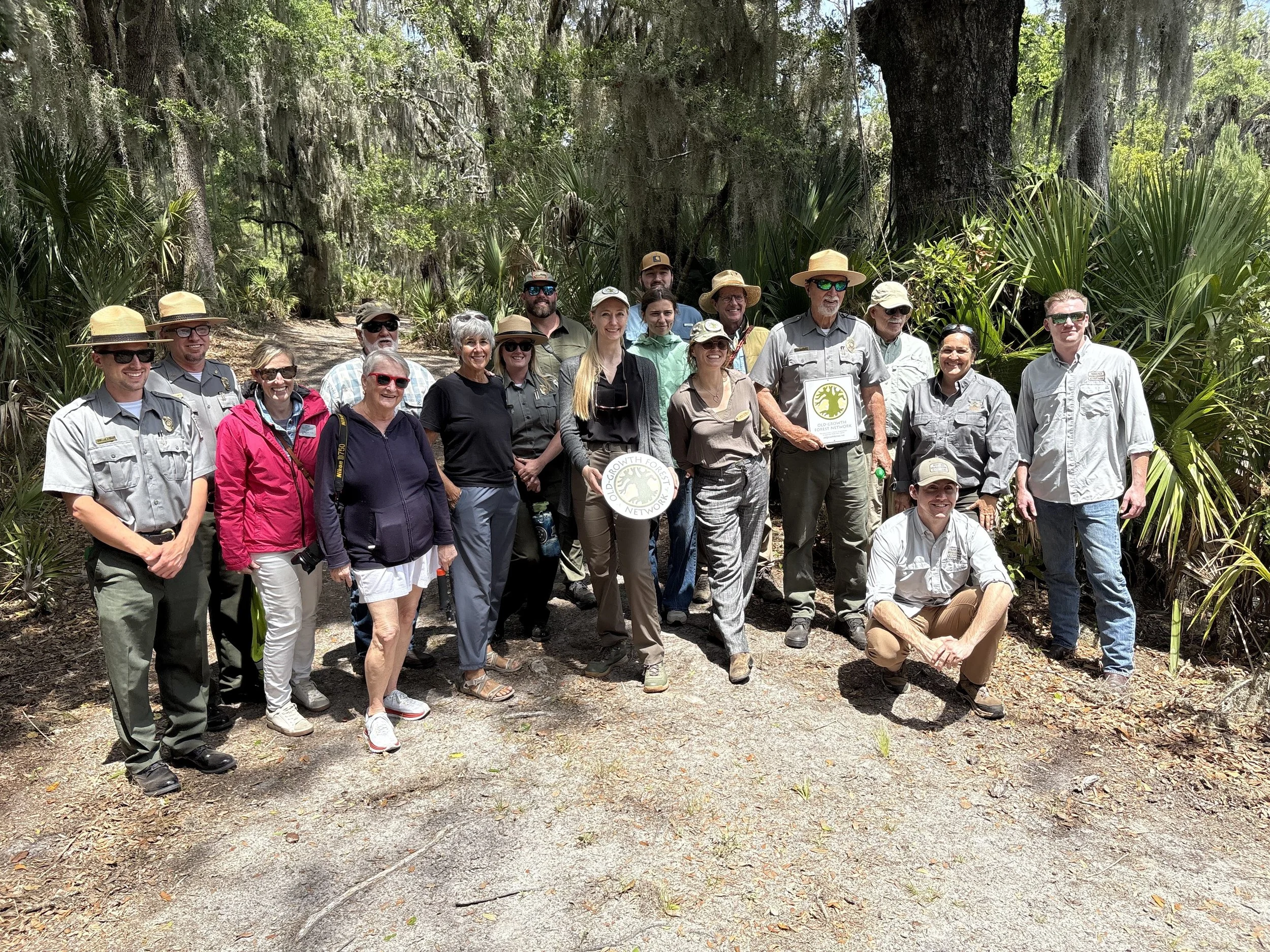
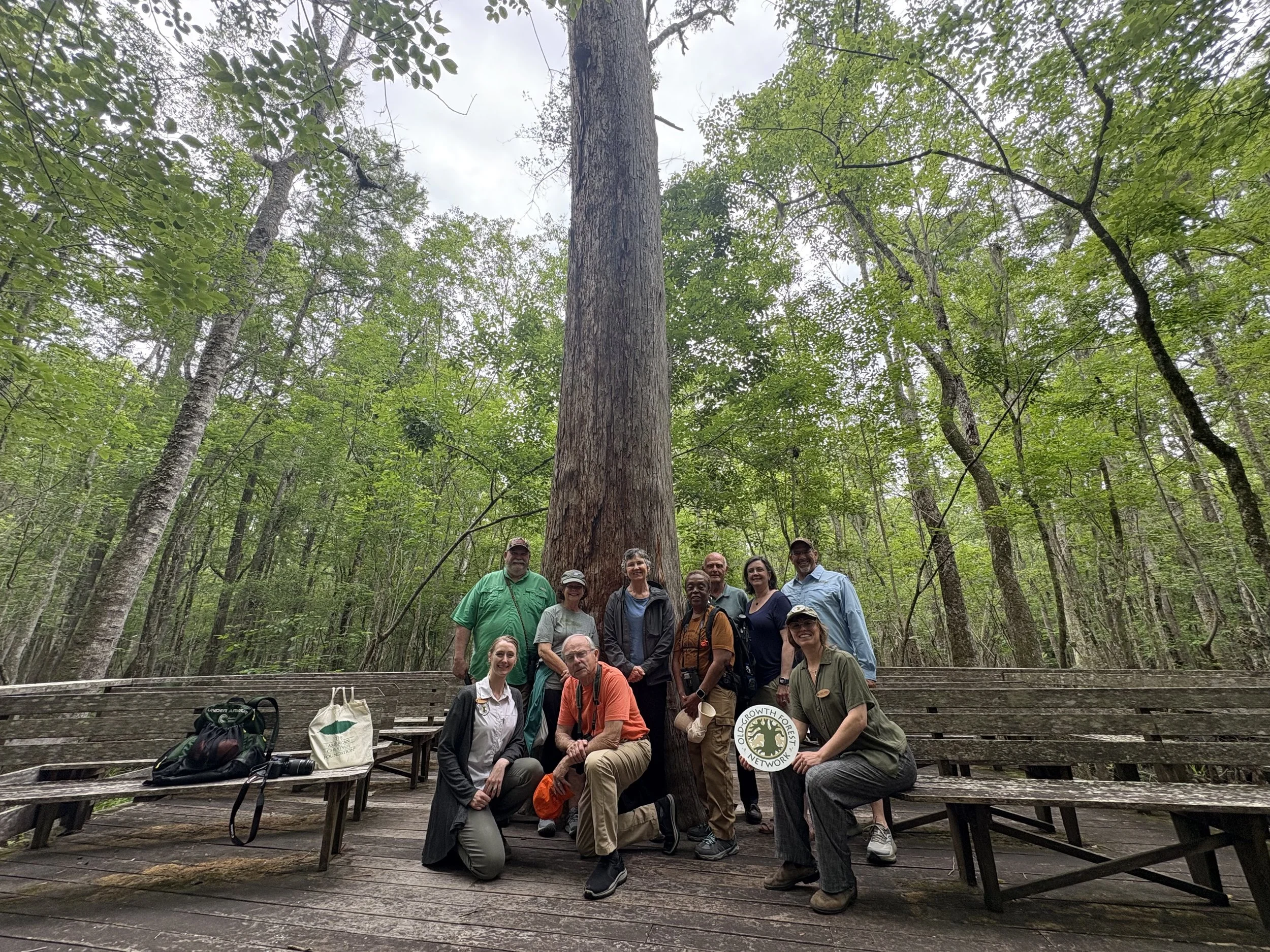
This May, the Old-Growth Forest Network celebrated the induction of 4 new Southeast forests in South Carolina and Tennessee into our national Network! The amazing biodiversity of these old-growth forests not only provide excellent examples of the dominant forest type in the area, but how people like us can have a positive impact on the environment around us.
These new Network forests are sure to delight visitors and show the diversity of old-growth forest ecosystems in the Southeastern United States! Keep reading to find out more about the forests we celebrated in South Carolina and Tennessee.
St. Phillips Island, Hunting Island State Park, Beaufort County, South Carolina
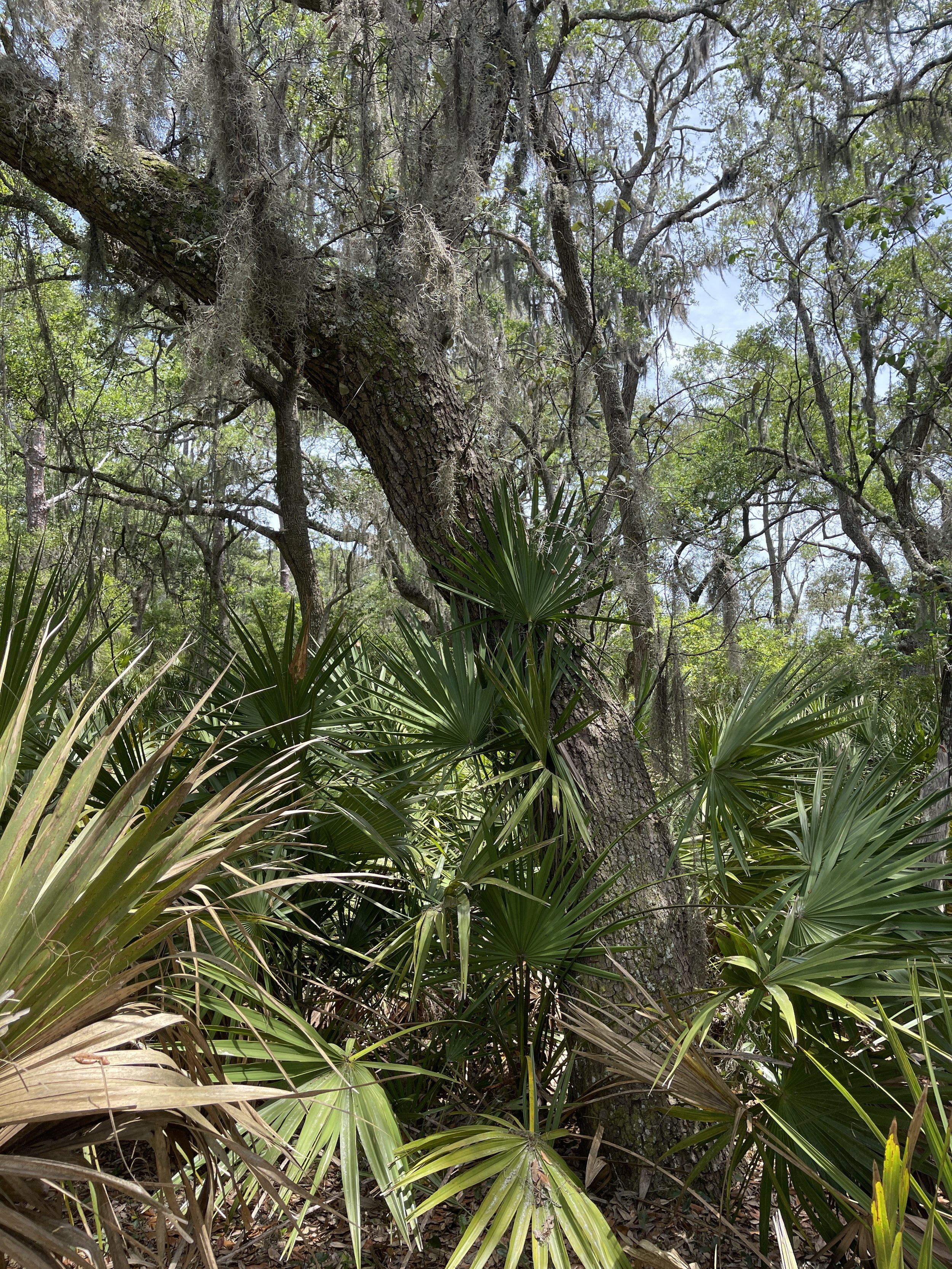
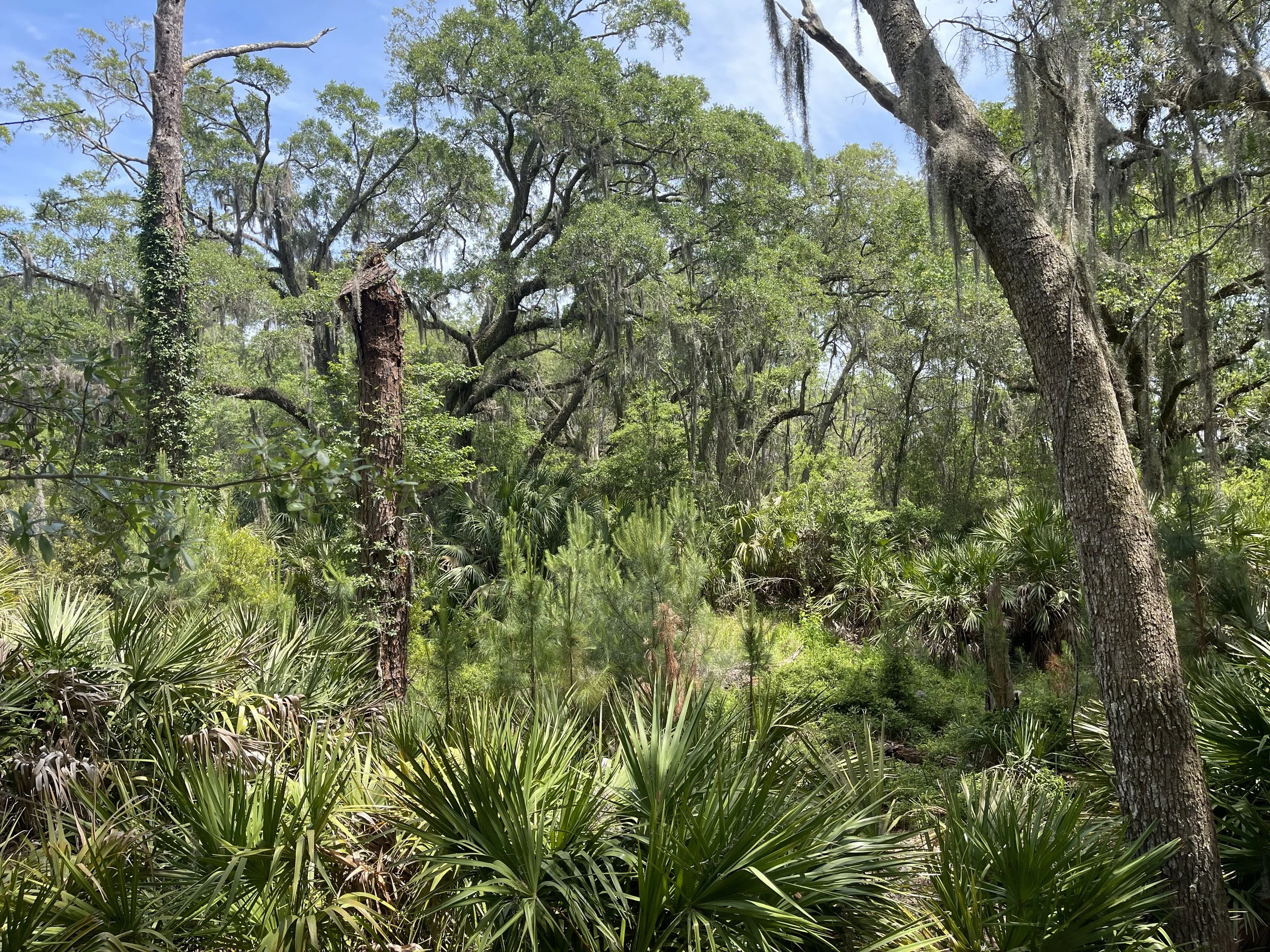
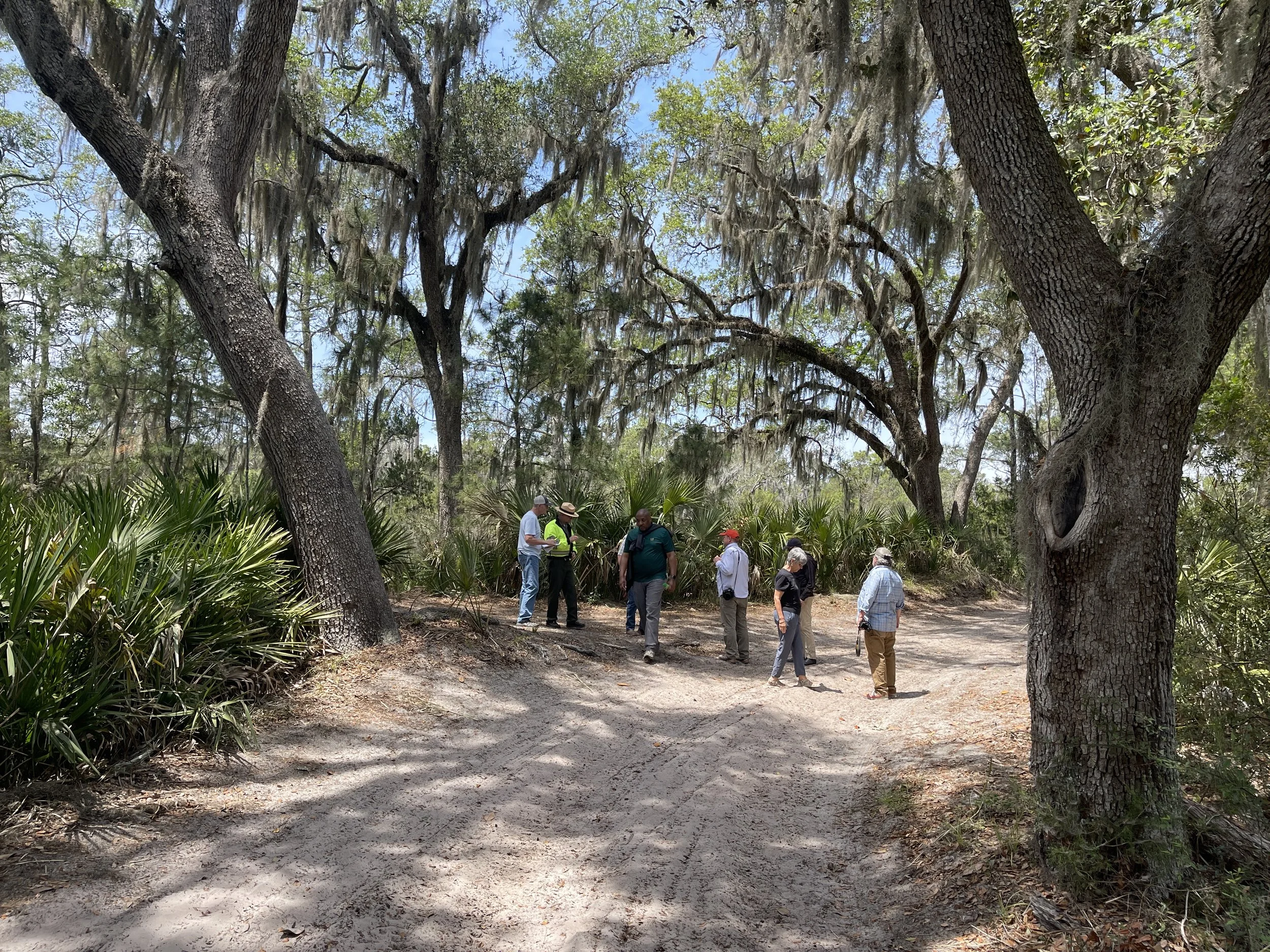
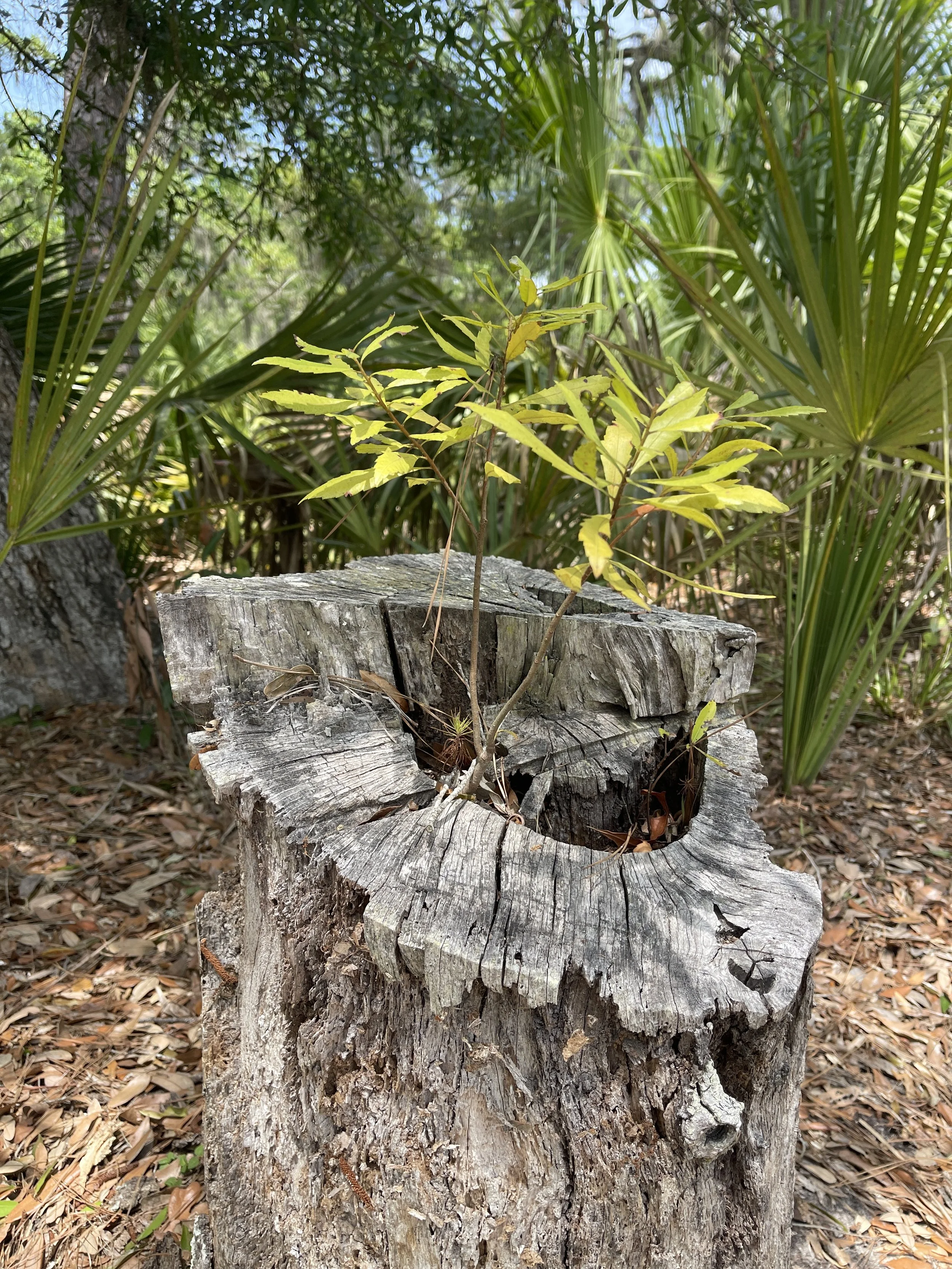
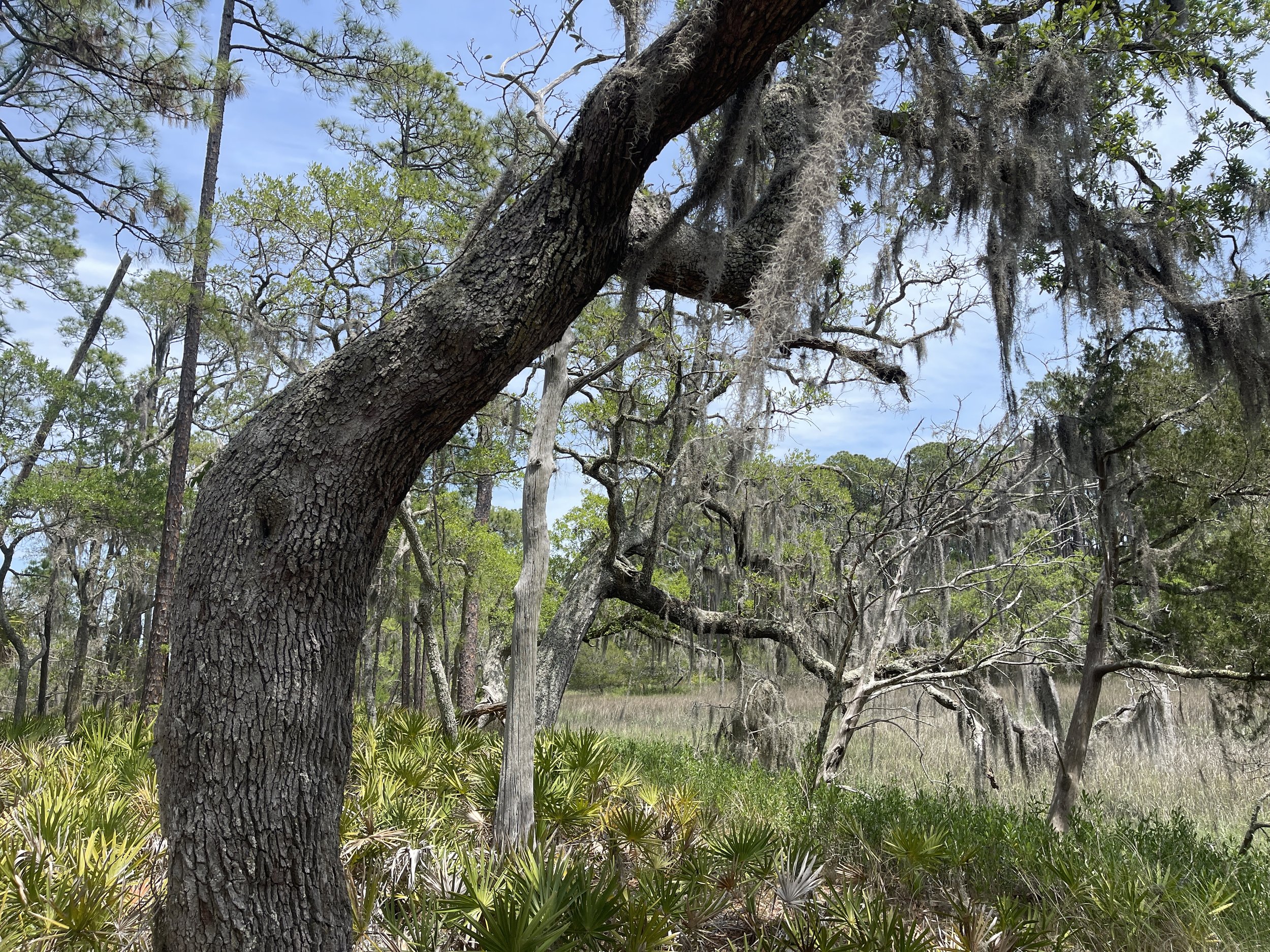
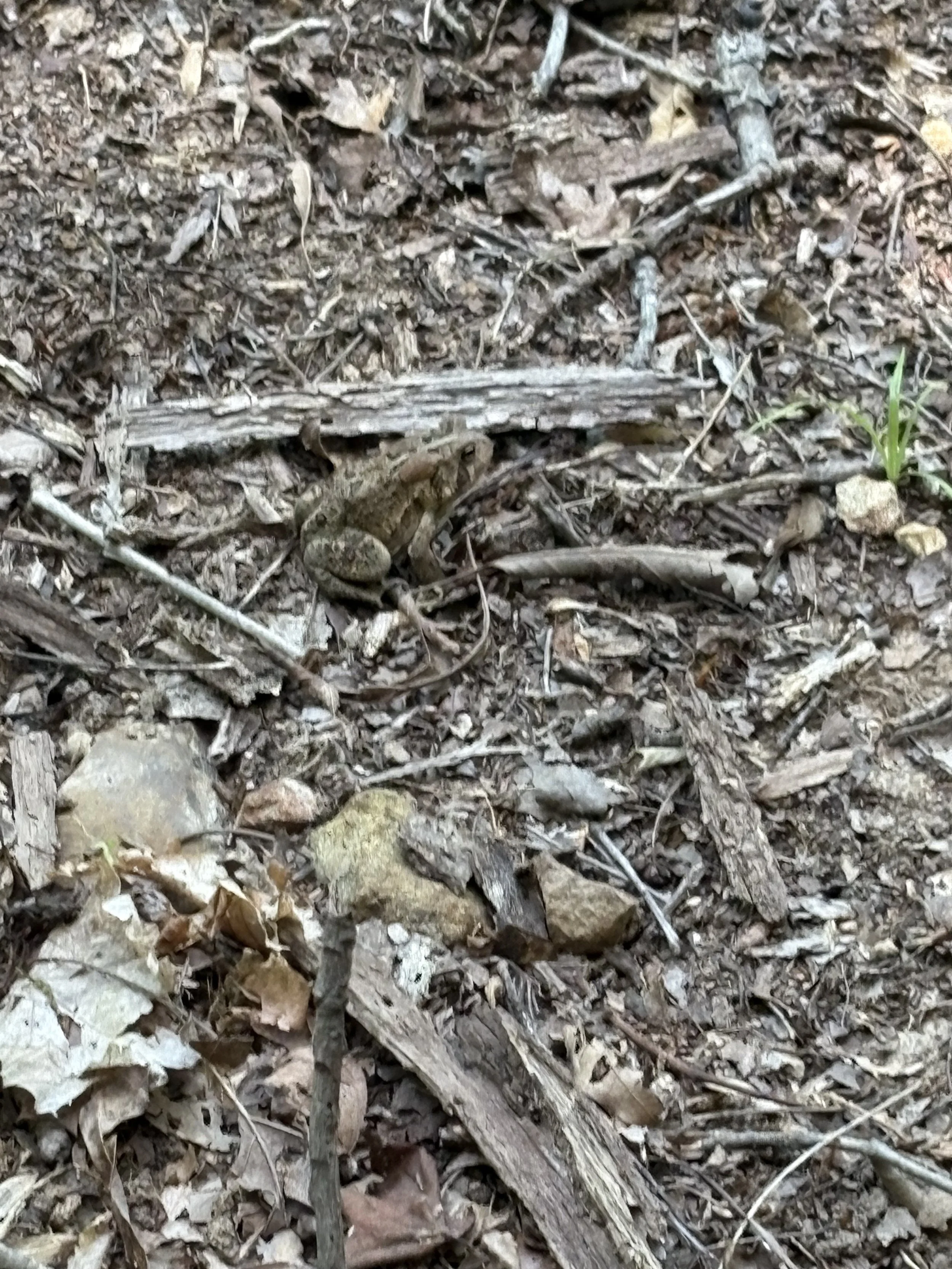
Prepare to make sail to visit the ancient maritime forest of St Phillips Island, a barrier island off the coast of South Carolina’s Beaufort County. Billionaire conservationist Ted Turner purchased the island in the 70’s and began the process of establishing one of the first conservation easements in the United States to protect it. He eventually transferred ownership to the State of South Carolina. This remote island takes around 40 minutes to reach by boat, you can purchase tickets through Coastal Expeditions, a company that has partnered with Hunting Island State Park to ferry visitors to explore the island. When you arrive at the island, a series of trails are available to explore the glorious ancient forest within a dune system that has created the minimal elevation changes of the island. Featuring live oak and magnolia that are hundreds of years old and dripping with spanish moss, along with a palmetto and bayberry understory. You can be transported back to an era of untouched South Carolina and experience the diversity of birds, reptiles, and insects of time immemorial. (Bug Spray recommended!)
Audubon’s Francis Beidler Forest, Dorchester County, South Carolina
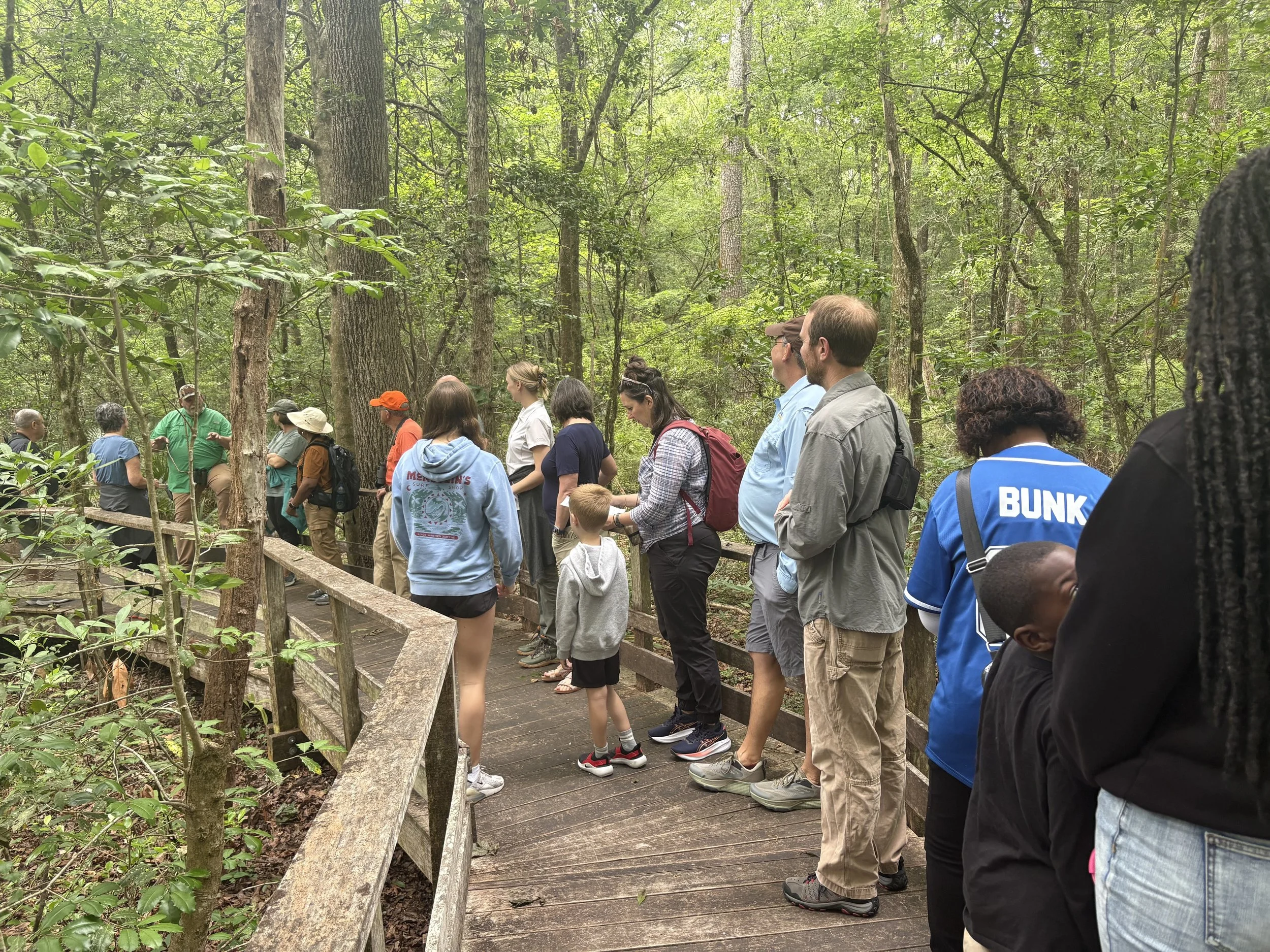
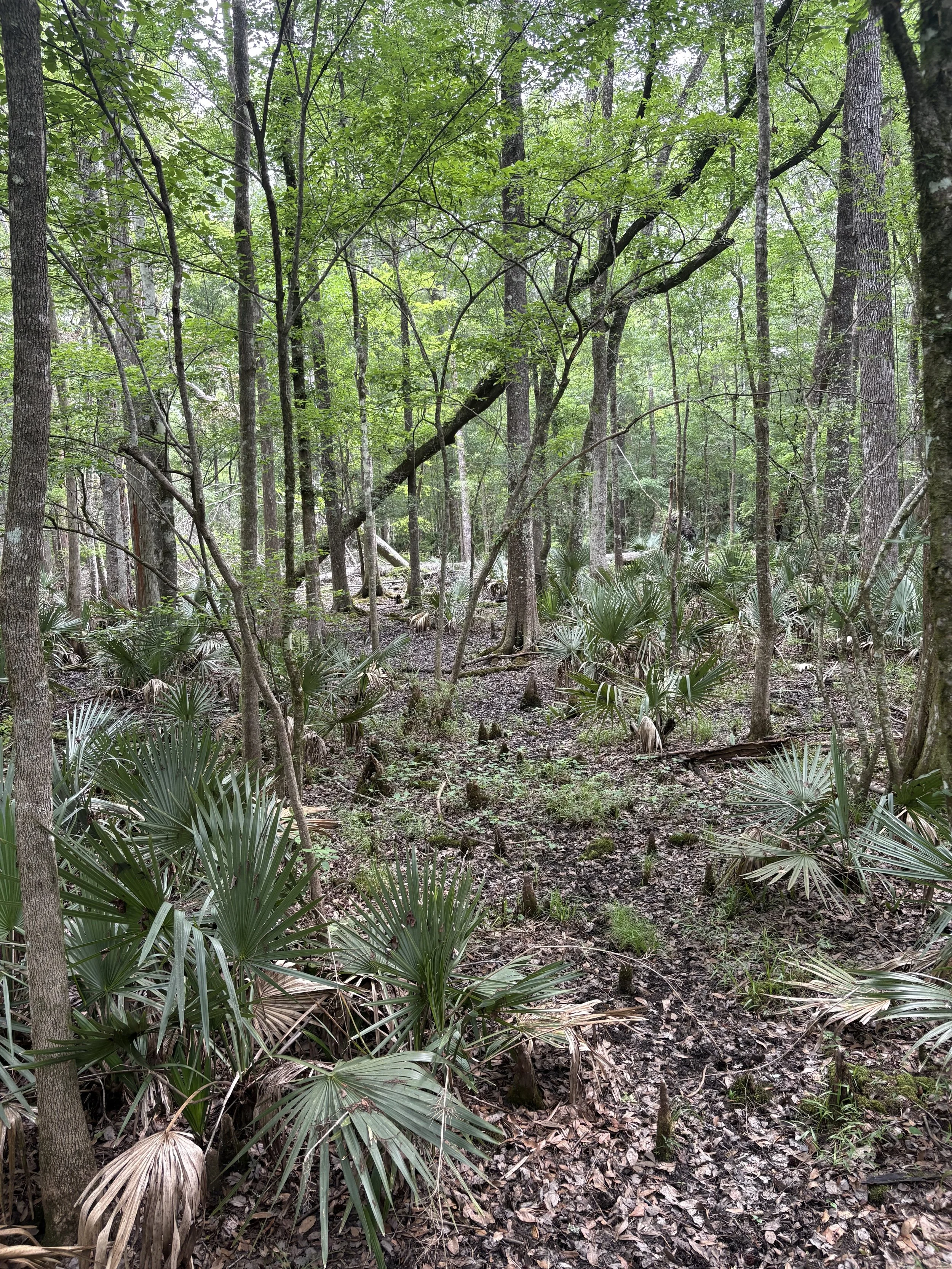
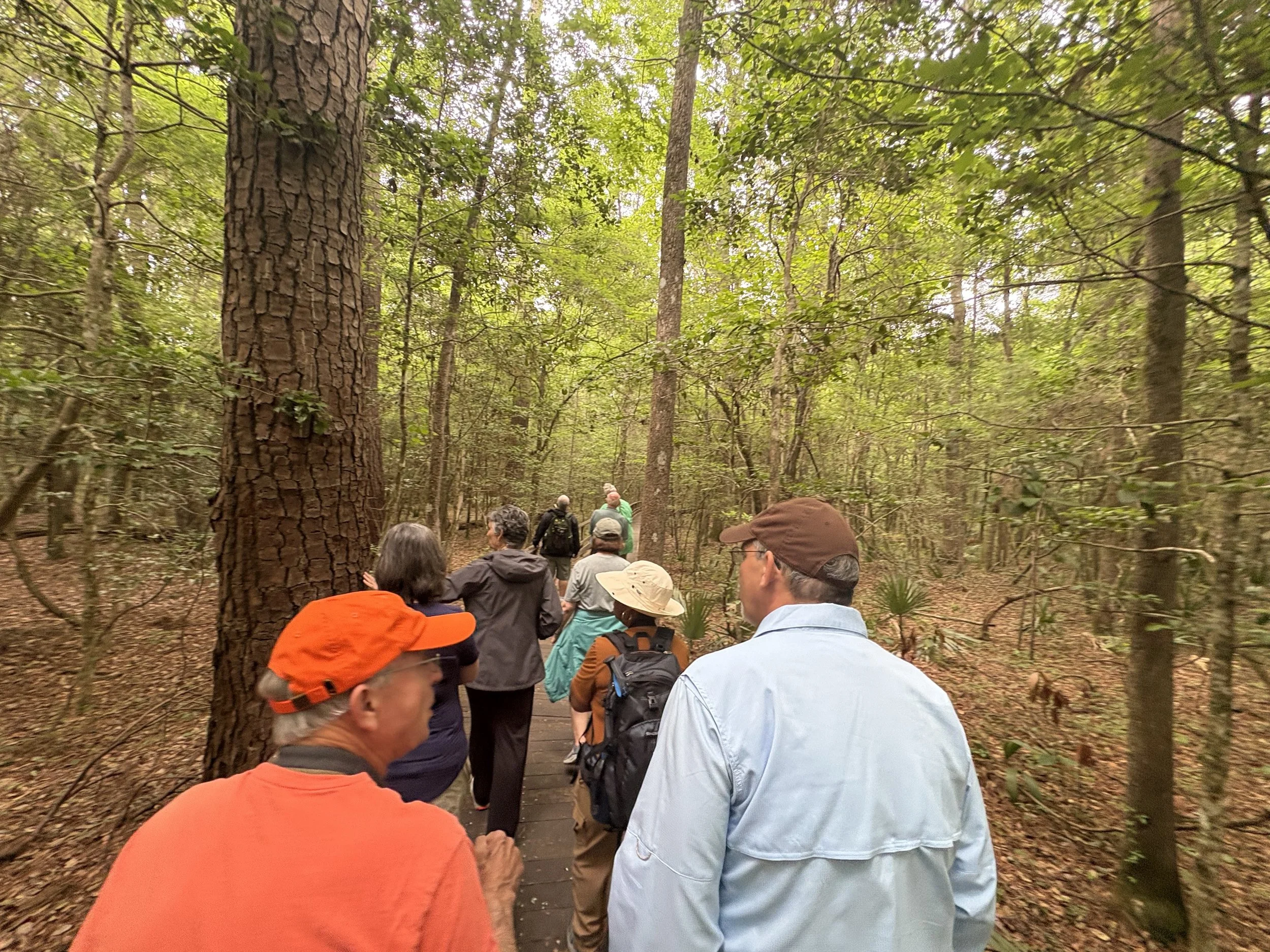
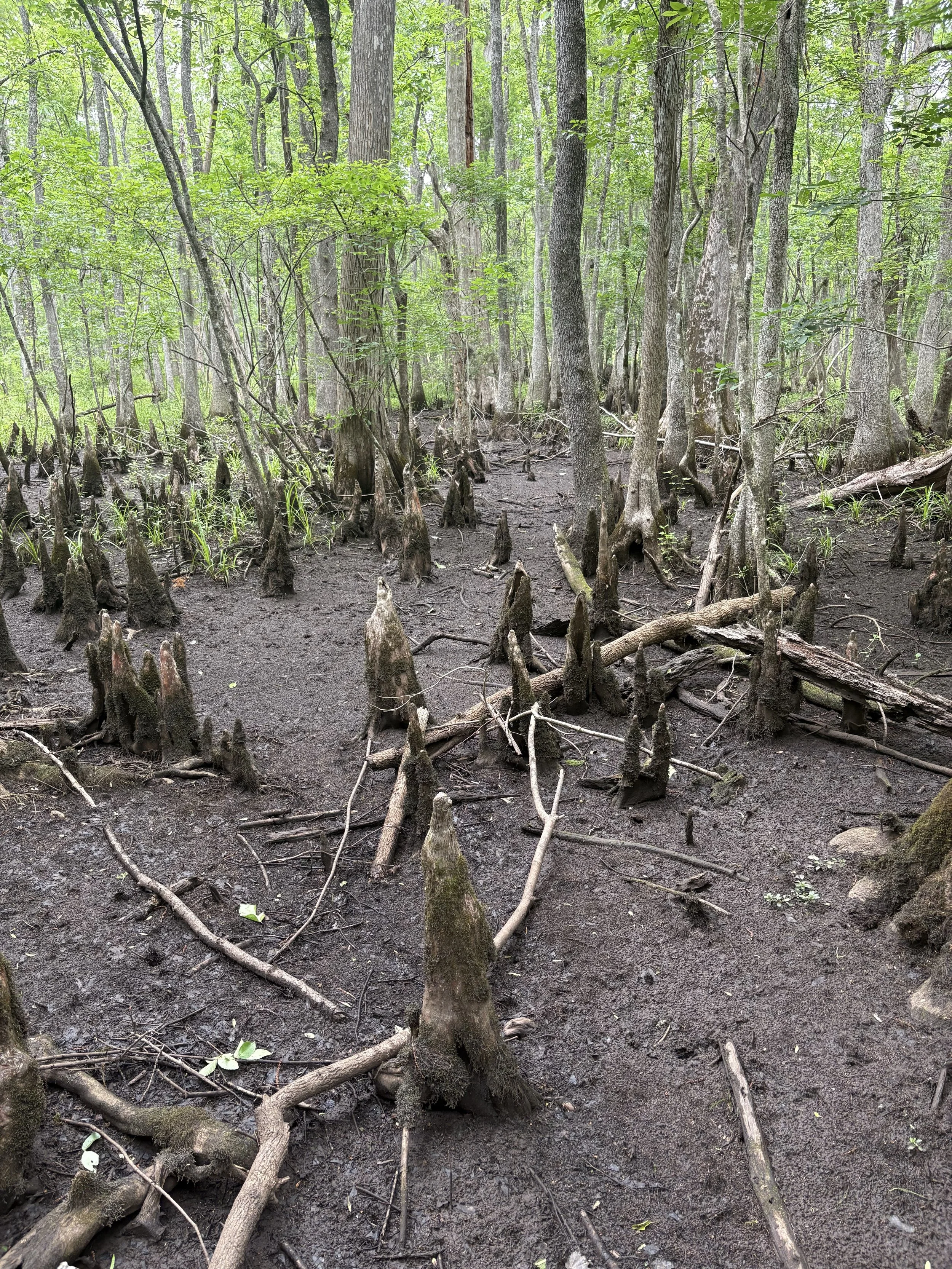
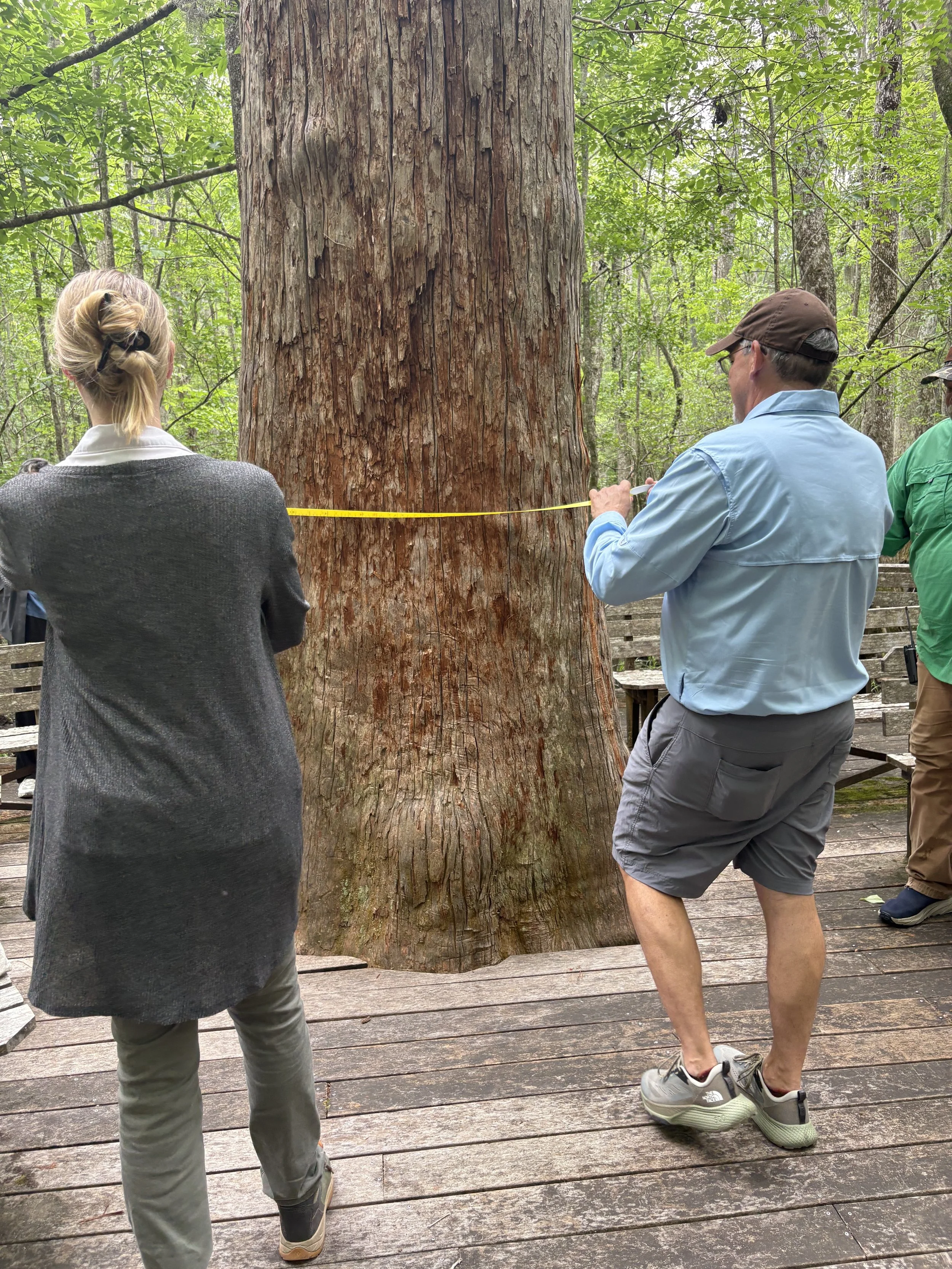
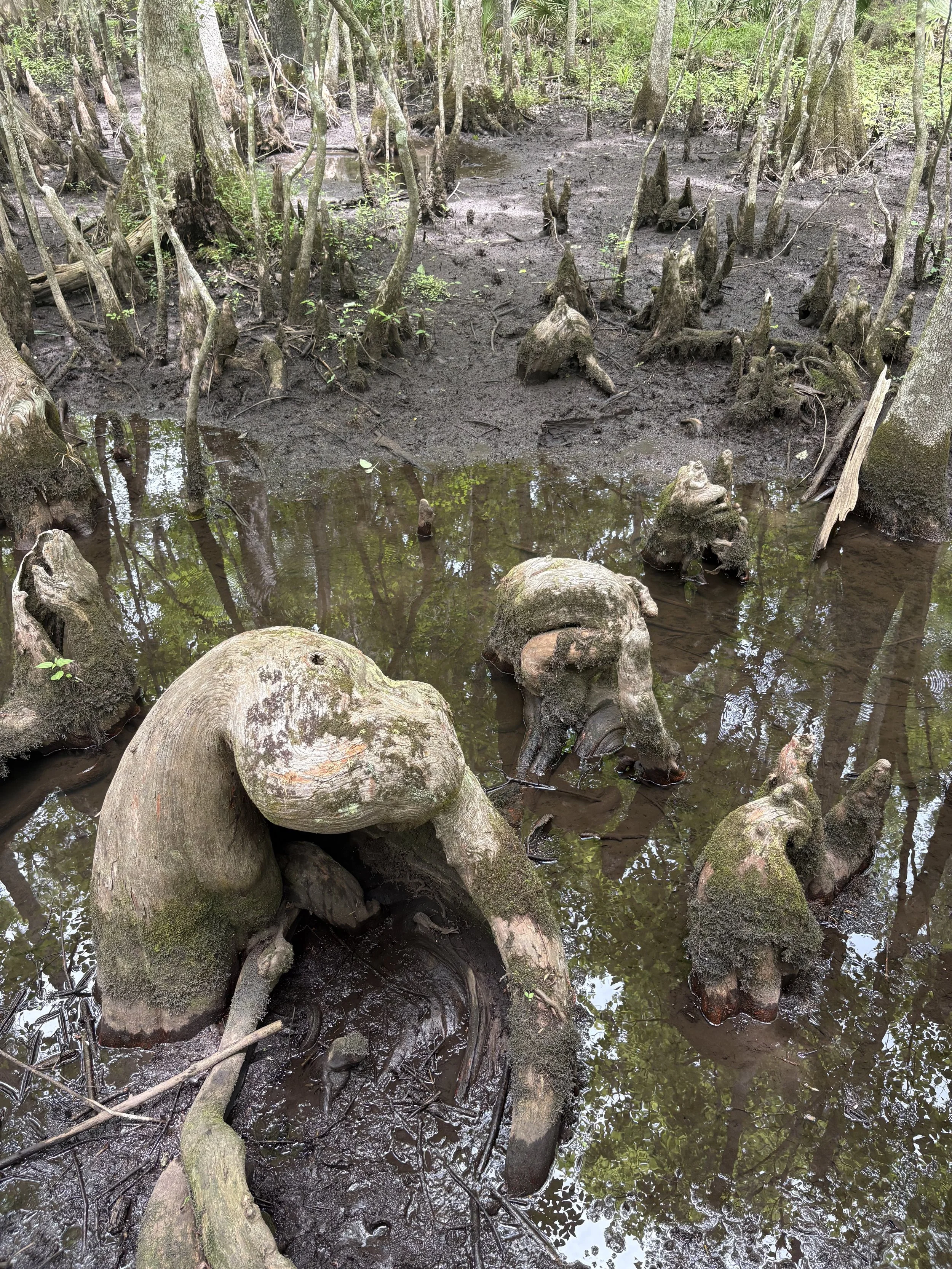
Moving further inland into South Carolina, Audubon’s Francis Beidler Forest is an international gem of protected primary growth forest, home to some of the oldest bald cypress trees on the planet. You’ll drive through quaint neighborhoods deep into the low country and down a tree lined road to reach the preserve. After stopping by the visitor center, you’ll walk out onto the raised boardwalk that winds you through the swamp. Watch carefully for the transitions between the upland zone, down into the swamp. Looking around you might see the different generations of trees that are characteristic of a forest that has been able to mature in place. Bald cypress seeds only germinate during times of severe flooding so you may see 2 distinct younger and older cohorts. Depending on the season and weather during the time of your visit, beneath the boardwalk may be flooded with freshwater or you may be able to see the thick muddy topsoil and the bald cypress “knees” sticking up. Some of the trees in this forest are over a thousand years old, meaning they were already hundreds of years old at the time of the United States becoming a county!
Bon Aqua State Natural Area, Hickman County, Tennessee
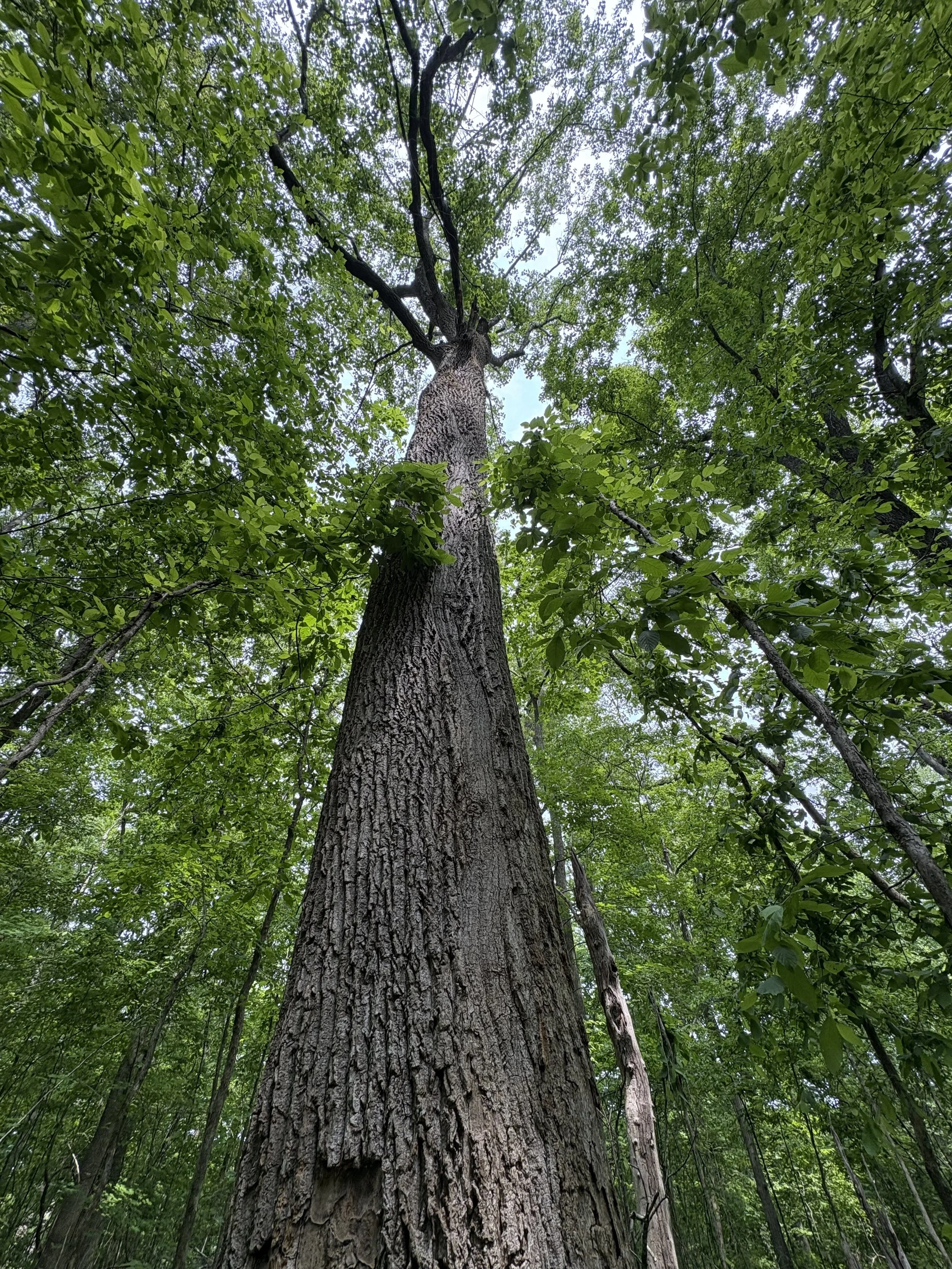
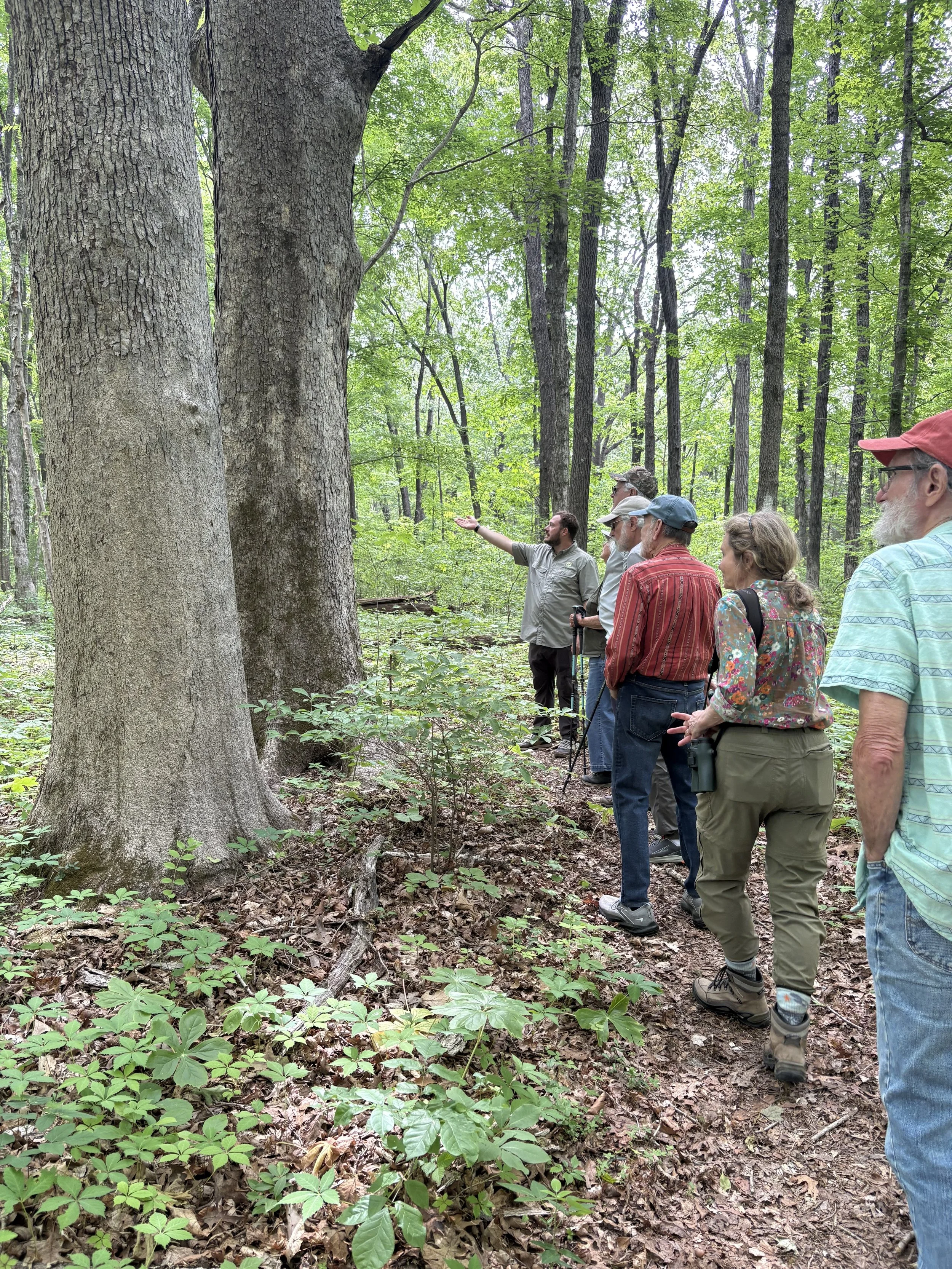
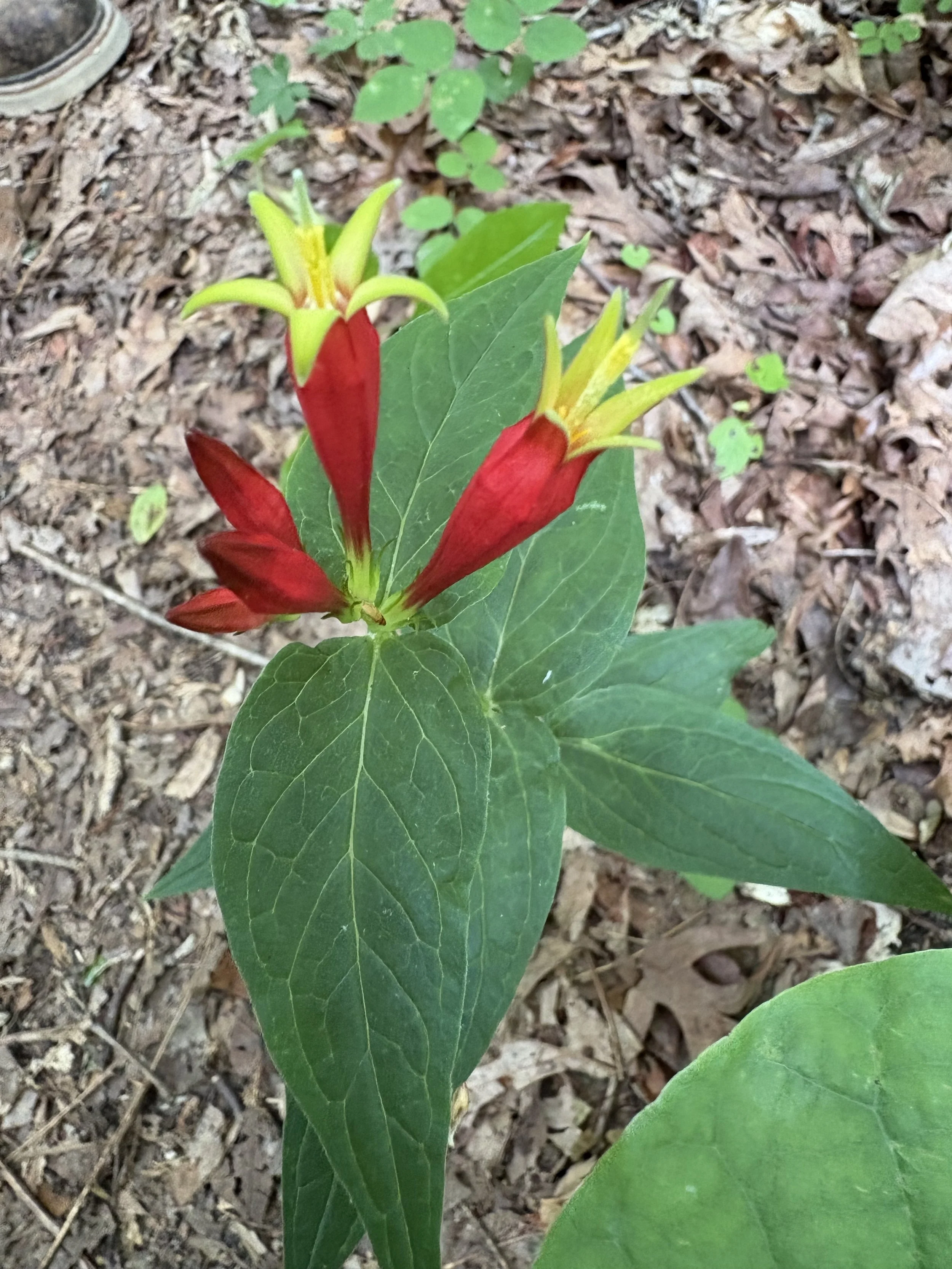
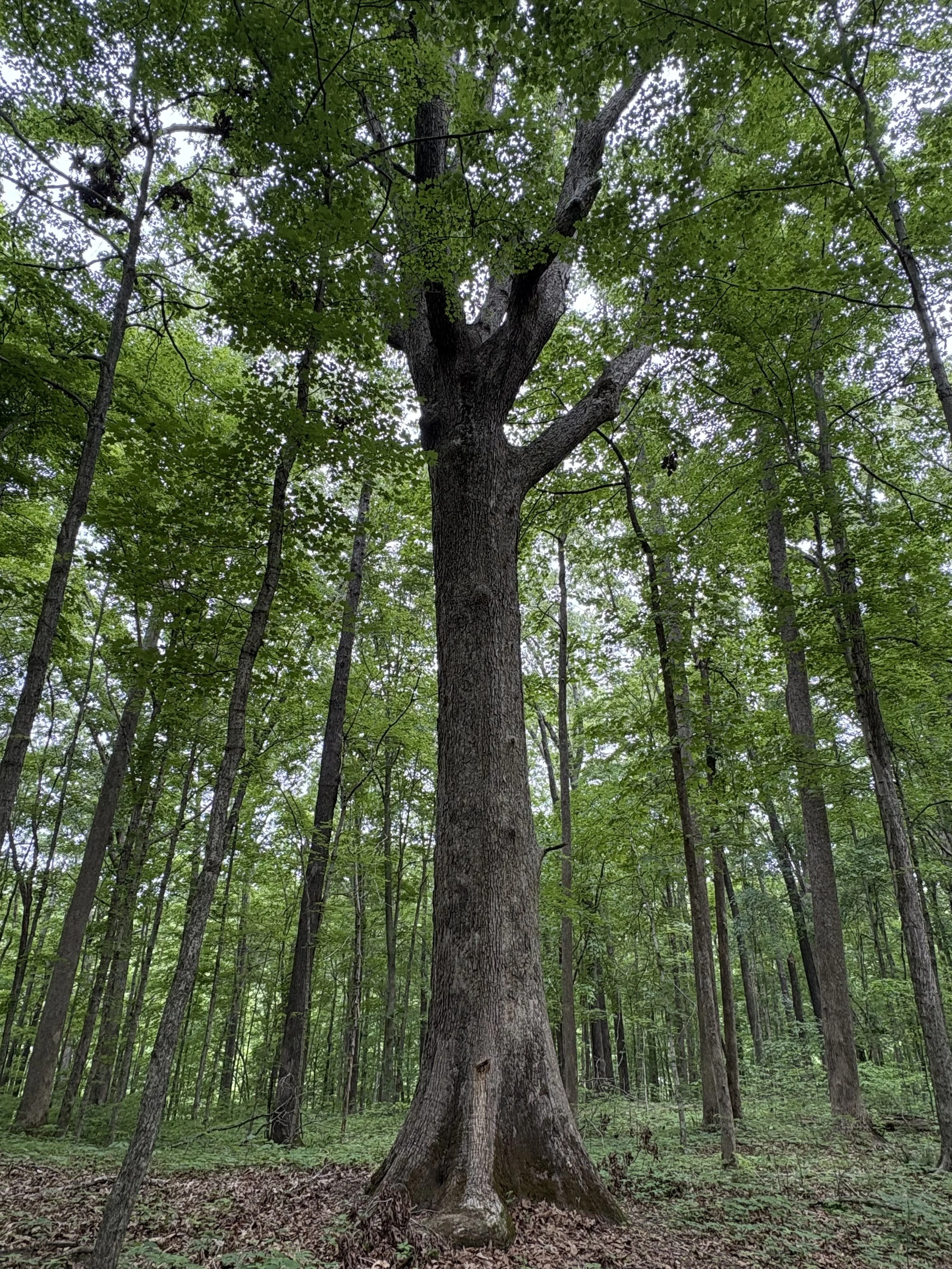
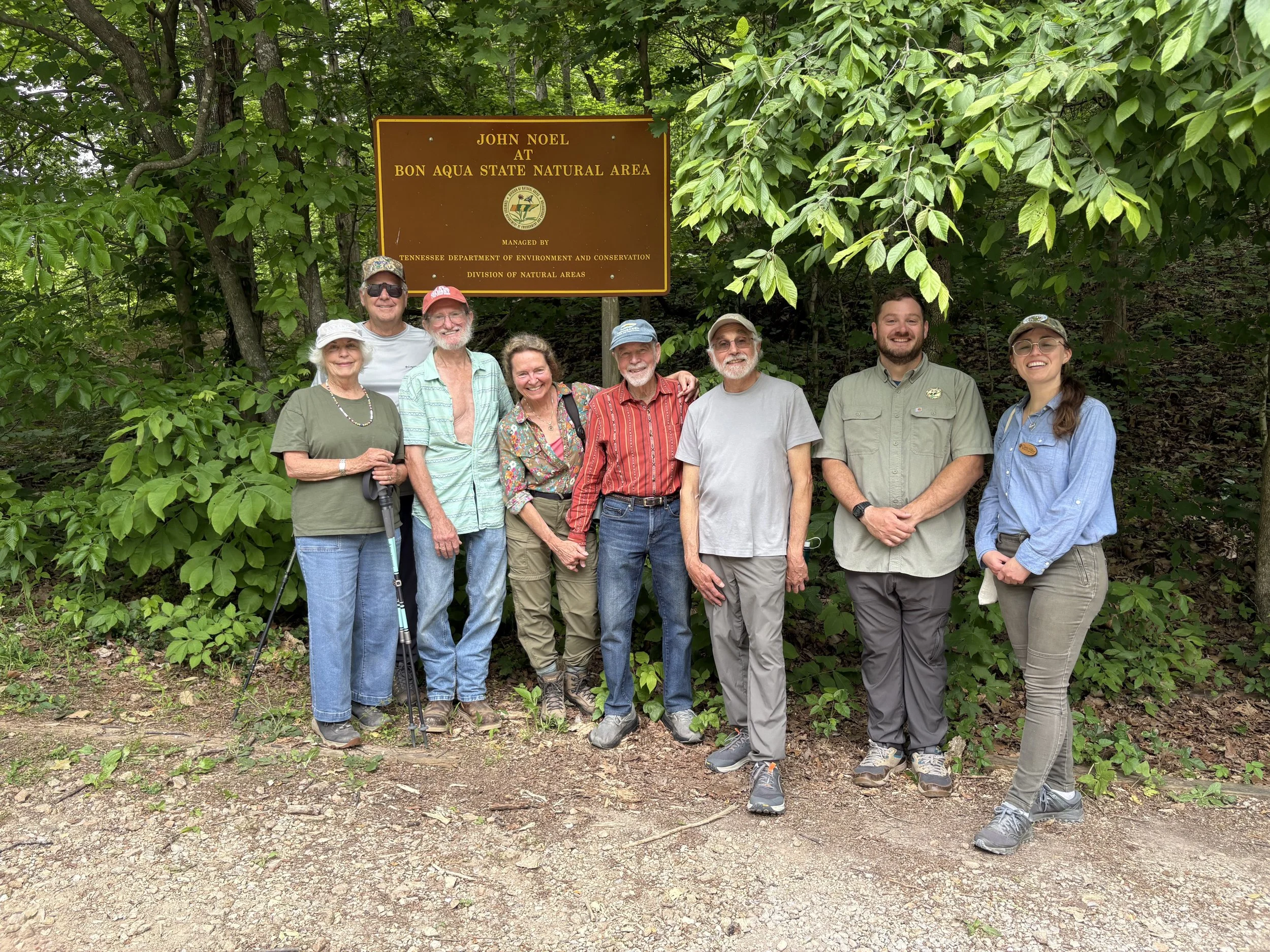
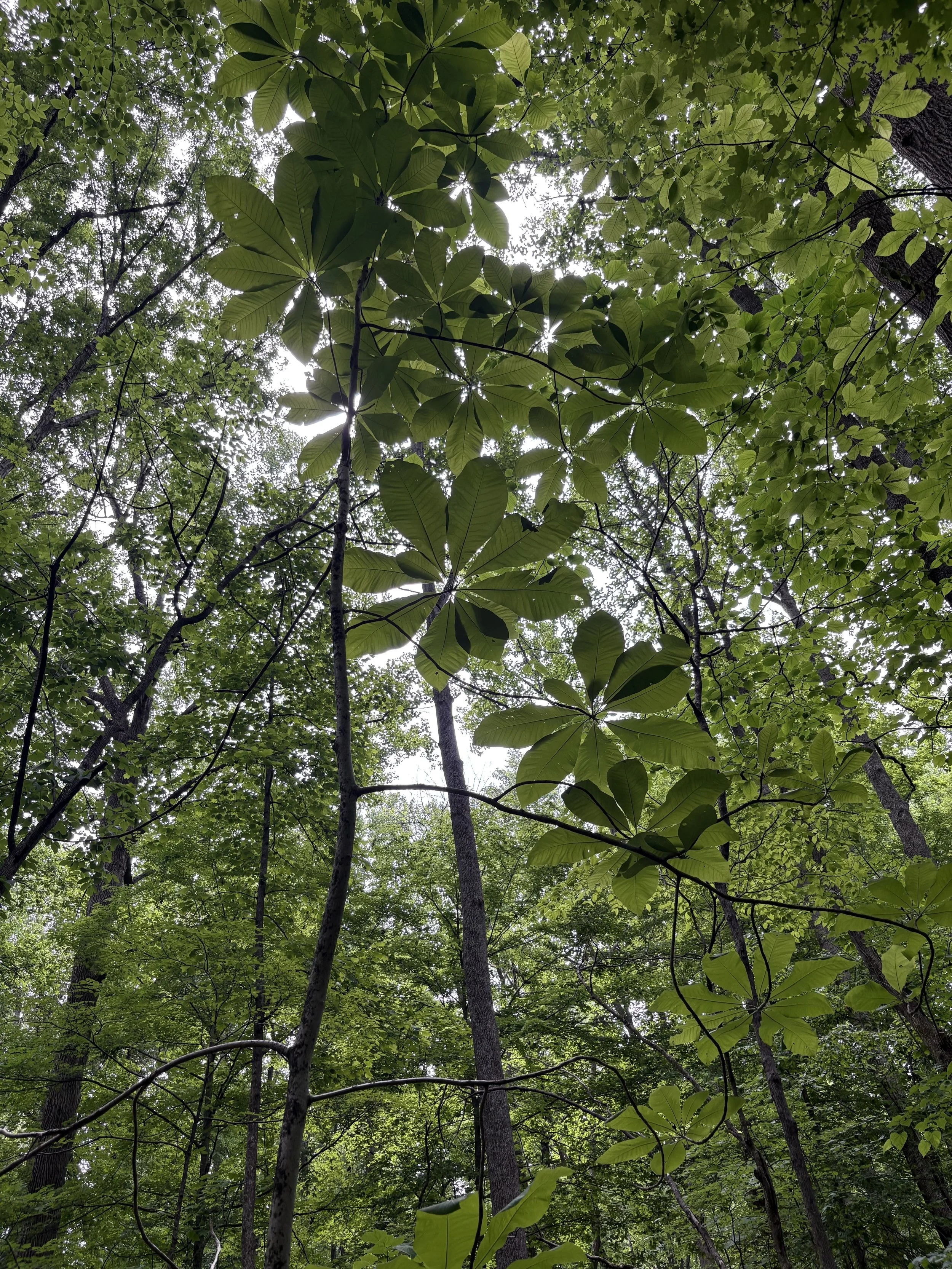
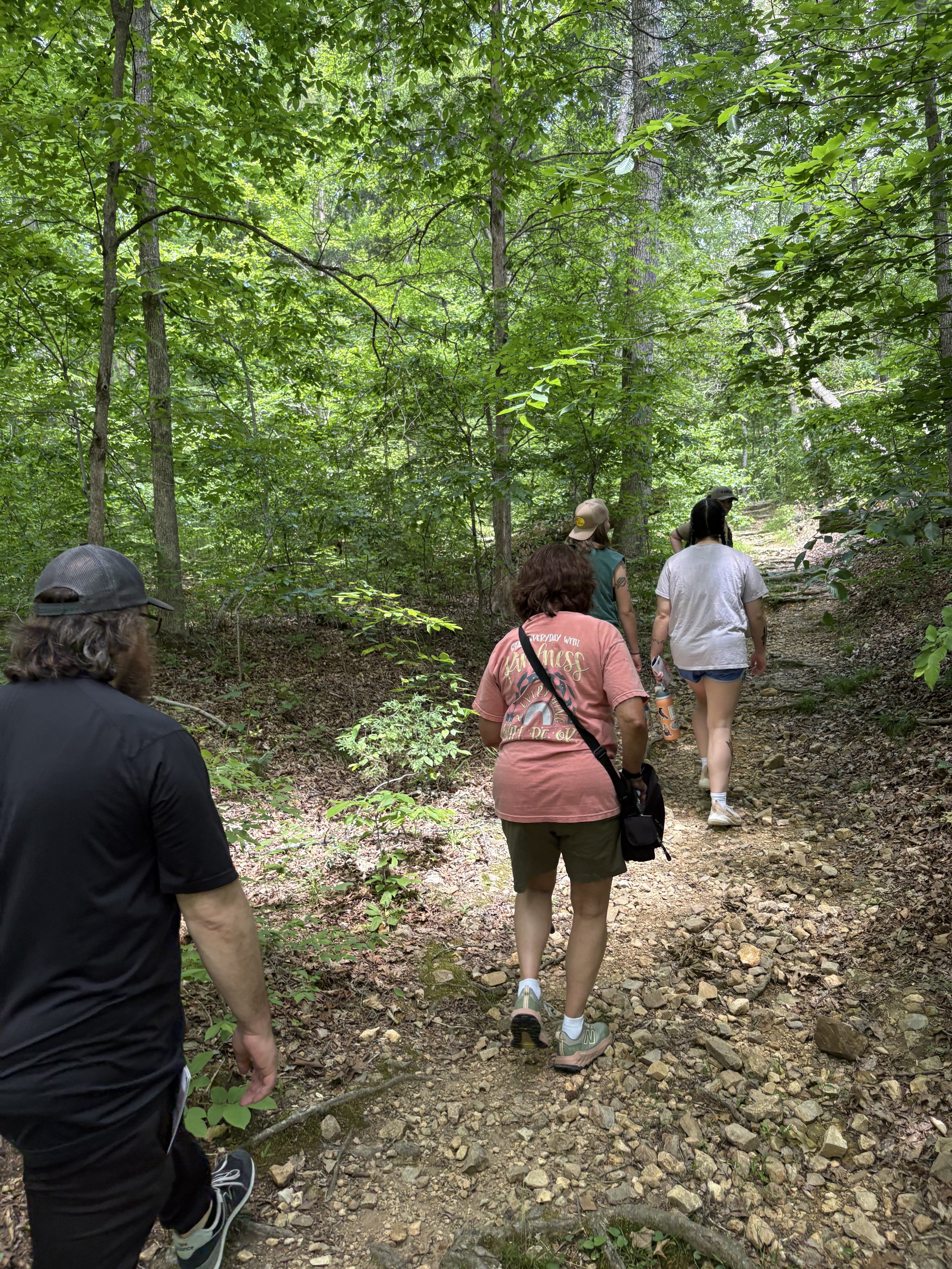
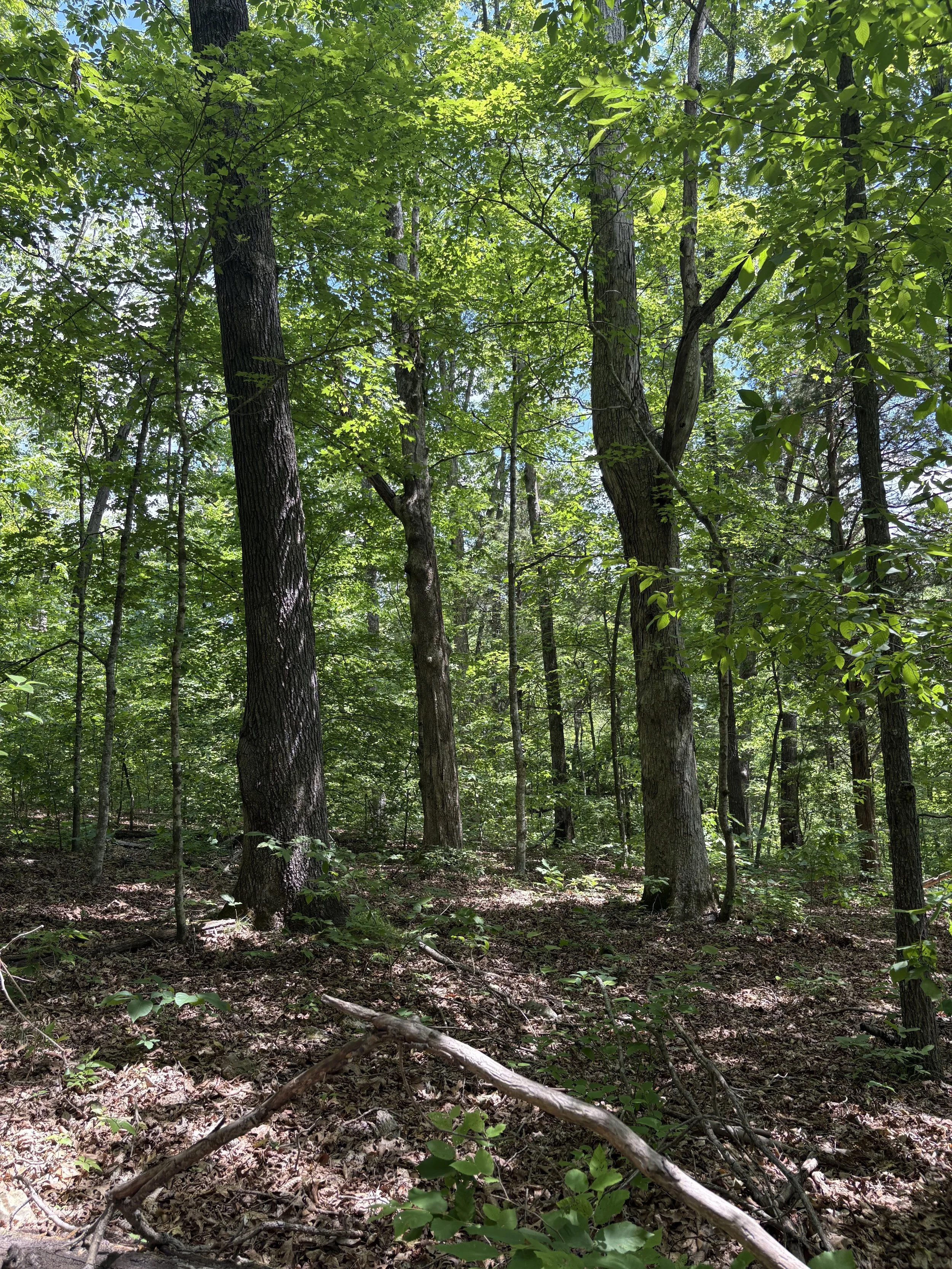
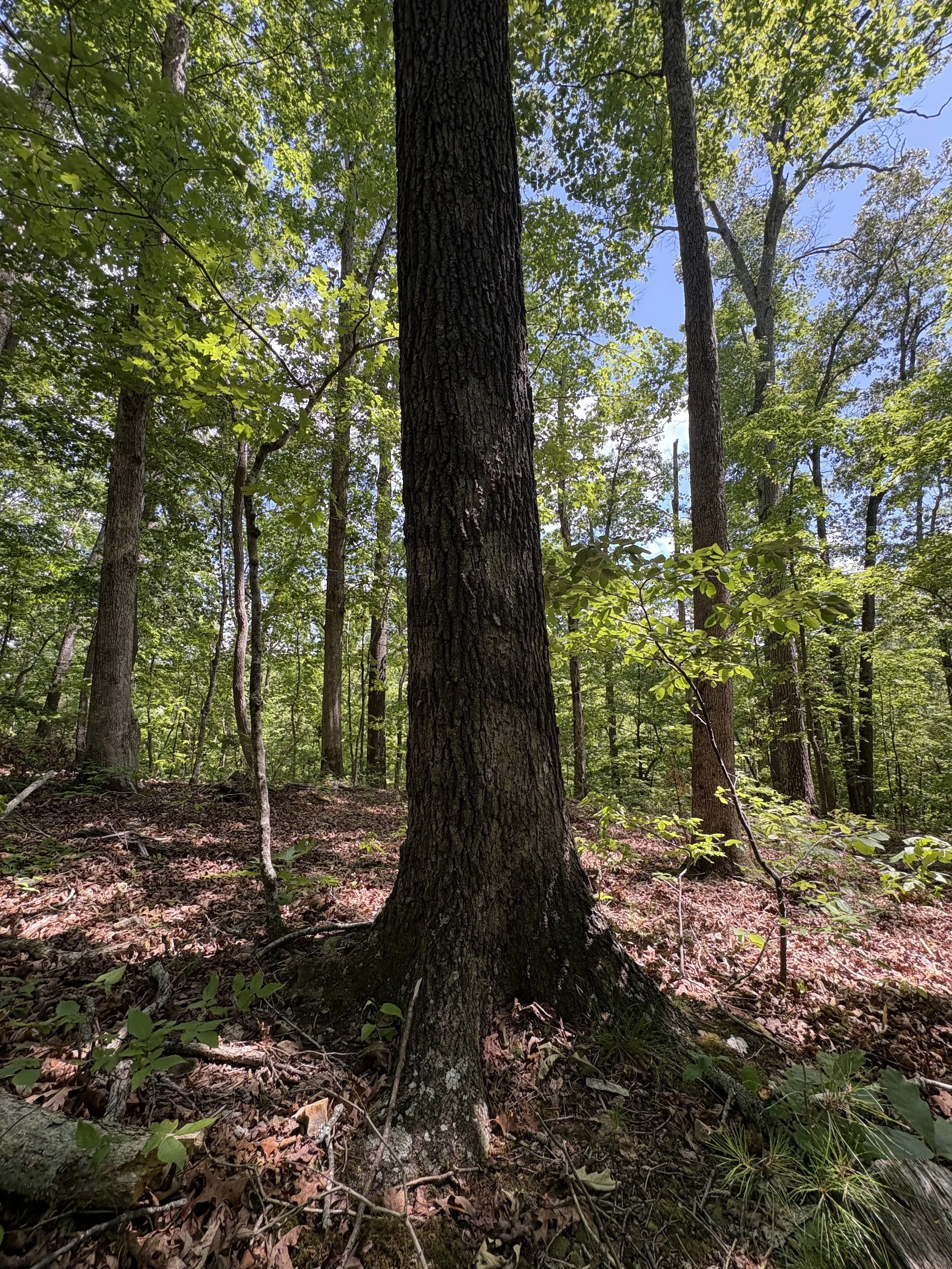
All of these forests are reminders that people’s advocacy can make a difference, this was the case for Bon Aqua State Natural Area in middle Tennessee. A former wellness retreat during the 19th century, the surrounding forest was left to its own devices even as the retreat pools and buildings crumbled away. Until decades later when the land was finally going up for sale and a local realized the maturity and beauty of the forest. He brought his concerns to John Noel, a renowned conservationist who then purchased the property from the party who was planning on harvesting the timber. After working with the State of Tennessee, this parcel became a Tennessee State Natural Area. John Noel actually joined us during this dedication and was able to share his unique perspective and experience conserving this parcel, and sharing his ecological wisdom about the region. The single trail at Bon Aqua will bring you through an oak-hickory forest characteristic of the dominant forest type in the interior plateau region of Tennessee. With large, white oaks that are a few hundred years old dominating the canopy along with beech, hickory, maple, and magnolia making up many successional layers of forest cover. The abundance of fallen large trees and standing dead trees also indicate this forest has been left to its own devices, to continue to mature and experience successional growth for centuries.
Montgomery Bell State Park, Dickson County, Tennessee
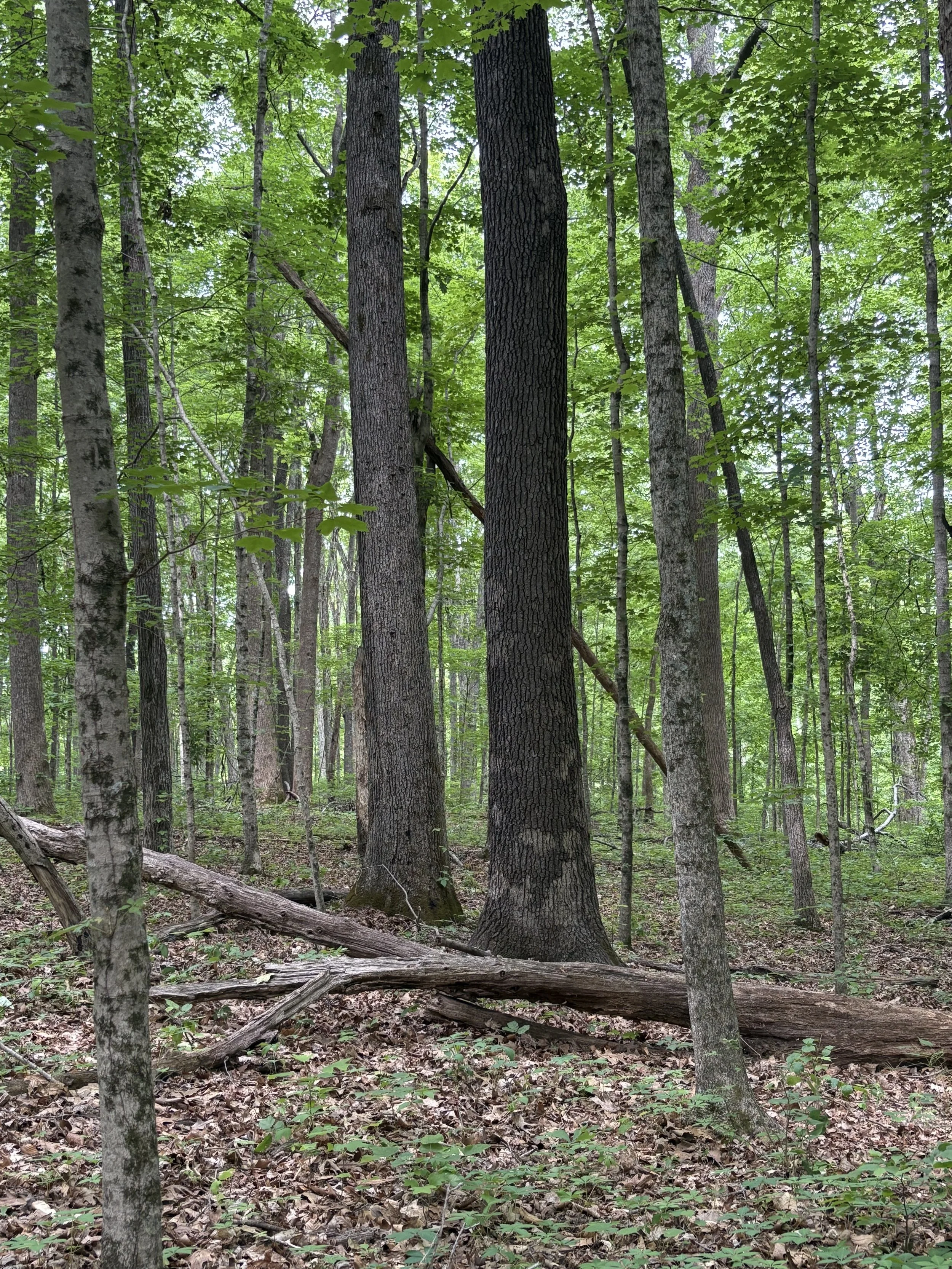
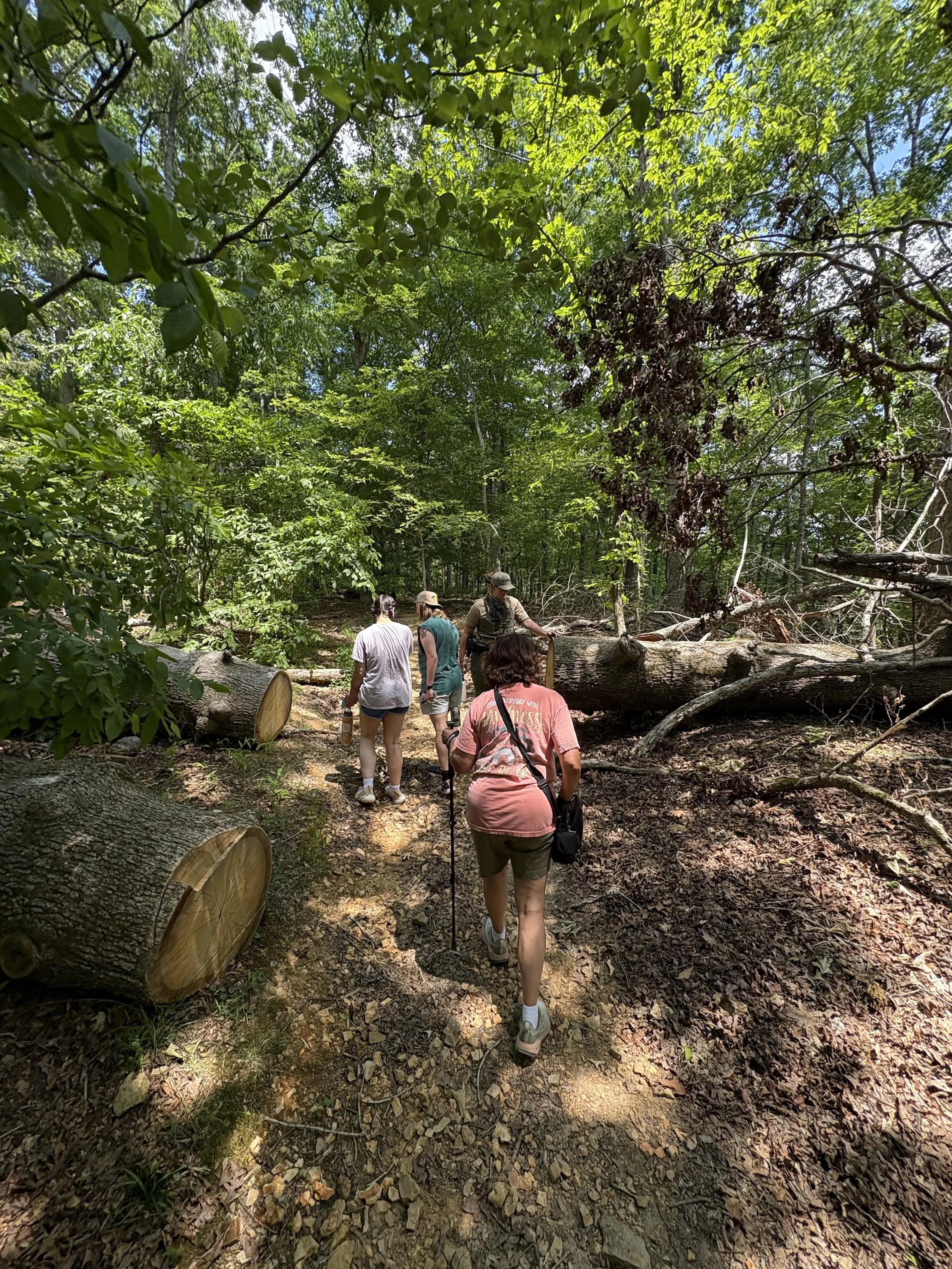
Just up the way from Bon Aqua is Montgomery Bell State Park, a favorite weekend getaway for Nashville residents as the booming center of country music is only an hour away. The forest along the Montgomery Bell Trail at the entrance of the park is where you will find the oldest stand in the park. Not only will you see some large oaks and hickory trees but also young and medium age trees. You may be surprised to see the abundant amount of very large downed trees. This is because Montgomery Bell receives intense windstorms, stronger than other nearby areas. While it may be sad to see these fallen giants, it is important to remember that they are playing an important role in the mature forest. Creating gaps in the canopy for new generations of trees to grow into, creating habitat on the forest floor for small invertebrates and vertebrates, and creating more on site carbon sequestration. Natural disasters are just that, natural! Montgomery Bell’s old-growth is a great example of how a healthy and mature forest doesn’t usually match our perspective of a “clean” forest floor. That complex arrangement of material on the forest floor is essential for a healthy ecosystem.
Forests of the Southeast have been significantly impacted by resource extraction since the arrival of European settlers, and exacerbated by historical events like the Civil War and the Industrial Revolution. The Southeast continues to be one of the largest timber producing regions in the United States, with some of the most intensively managed forests nationwide. Preserving natural, primary growth forests that escaped historic timbering, and conserving forests that will be allowed to mature and become old growth is incredibly important. By doing so, communities of native plants and animals benefit from these areas of high quality habitat in an ever shrinking undeveloped landscape. These areas also create opportunities for future generations to experience, explore, and connect with these reference points for healthy forests in the biodiverse Southeast. I hope you’ll get to see some of these spectacular and inspiring forests on your travels, and keep an eye out for more old-growth forests entering the Network in a county near you!