The Network Flourished This Spring
Spring this year brought warmer temperatures, refreshing rains, wildflowers, and delicate buds, but also the chance for the Old-Growth Forest Network to celebrate an impressive 20 forests across 10 states! The Old-Growth Forest Network is the only national network in the U.S. of protected, old-growth, native forests, and during April and May, we added some truly spectacular forests to the Network. Each celebration event was paired with a short induction ceremony and followed by an educational hike, attended by community members, scientists, multi-generational families, land managers, and local politicians alike. Attendees were treated to forests alive with vibrant colors: the bright greens of trees leafing out, snowy whites of trillium, the deep purply-pinks of wild cranesbill, and so much more.
As the Network grows, so does the awareness of these hallowed forests. When advocates gather in a forest, stories about these sacred places are naturally swapped among fellow forest lovers hiking beneath towering canopies that have stood for generations. It is these stories that spark the imagination with the possibility of what it could be like if these forests continued to stand for generations to come. The Old-Growth Forest Network is building a Network of protected mature and old-growth forests, and simultaneously, we are also building a Network of individuals who care about forests. We couldn’t have grown the Network this much without our knowledgeable staff of Regional Managers and our wonderful, dedicated County Coordinator volunteers.
Read on for more details about the forests we celebrated this spring!
New Jersey
Witherspoon Woods- Mercer County: John Witherspoon Woods is a 40-acre preserve located in Princeton that contains stately red oak, tulip poplar, black cherry, red maple and white oak trees in this mixed hardwood forest. This forest is also home to an impressive outcropping of volcanic boulders, which make it an exciting hike, especially for kids who like to do a bit of scrambling!
153-Acre Wood- Mercer County: Also located in Princeton, 153-Acre Wood contains an old-growth forest that has not been logged for at least 100 years! The ‘boulder bench’, a diabase rock dating back to when the supercontinent Pangaea existed about 200 million years ago, or remnants of old stone walls built by 19th century farmers who used to cultivate parts of the site.
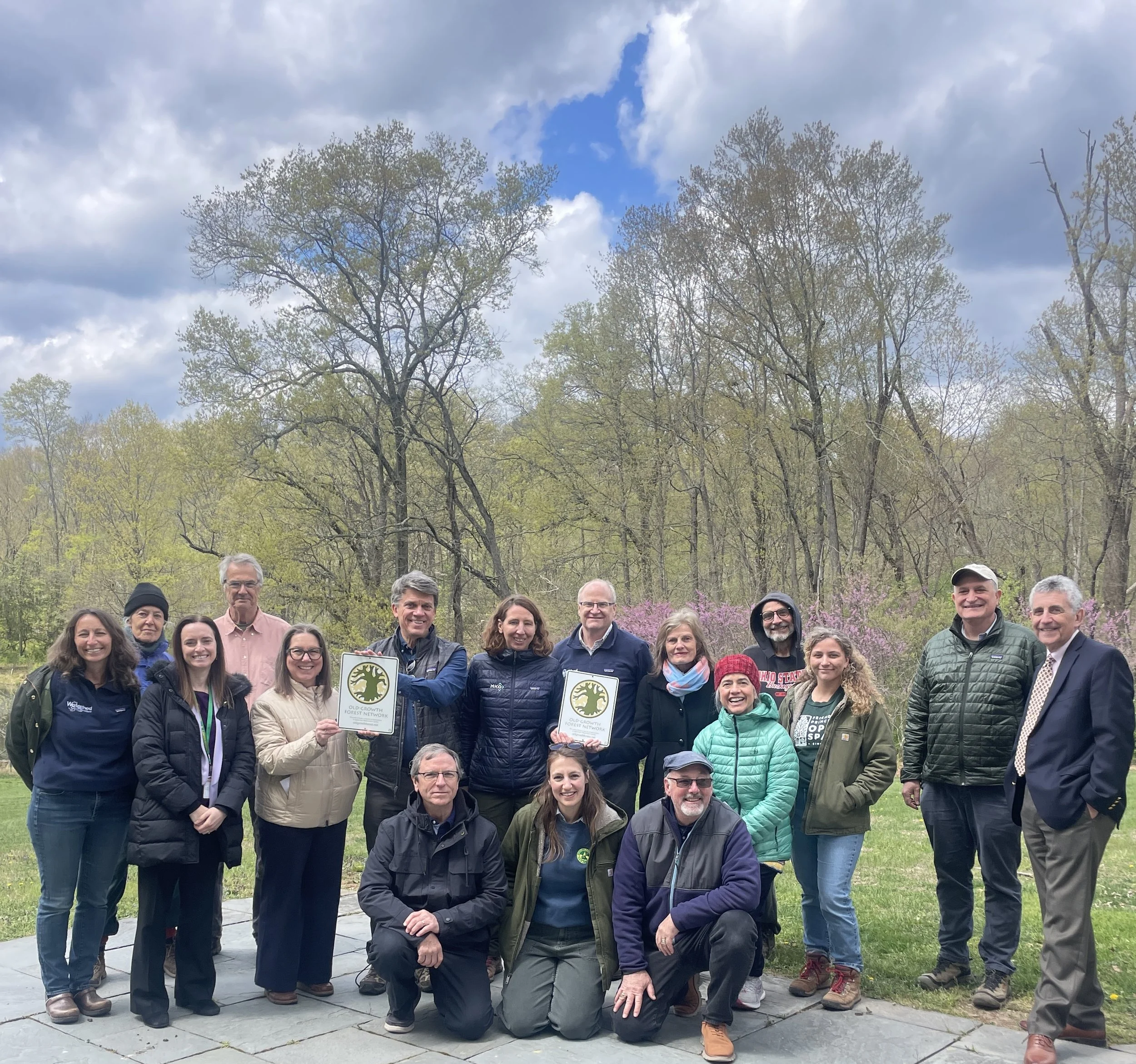
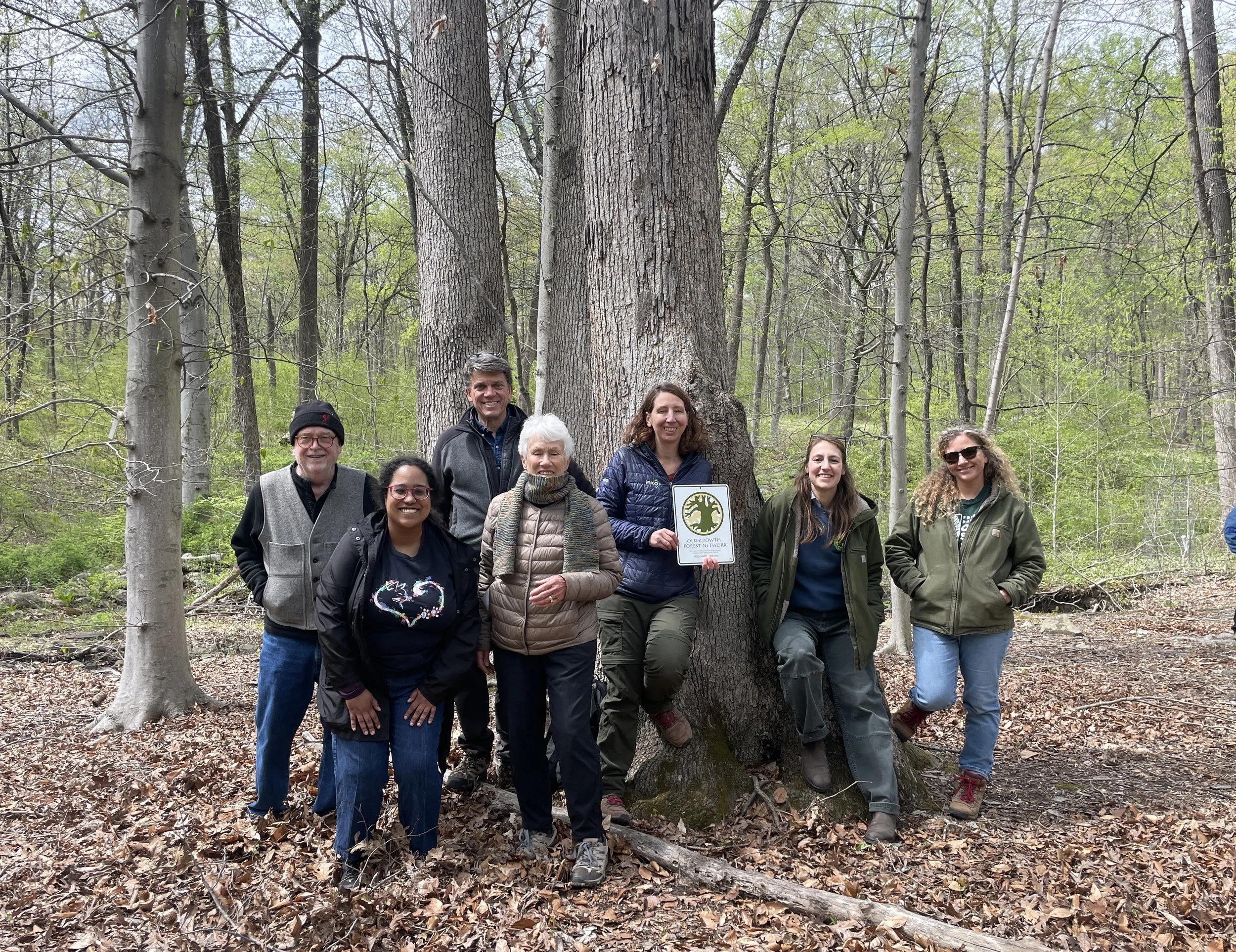
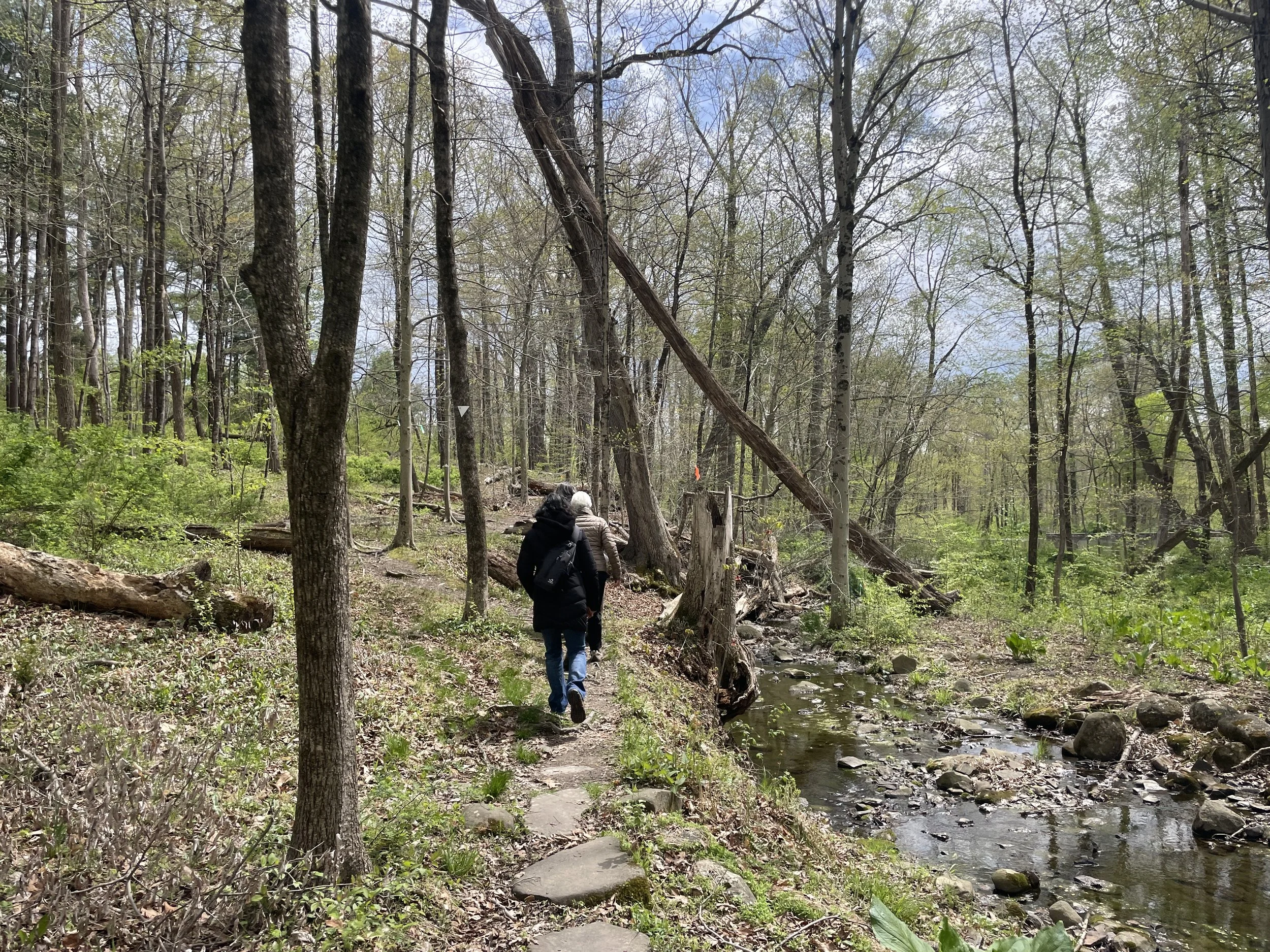
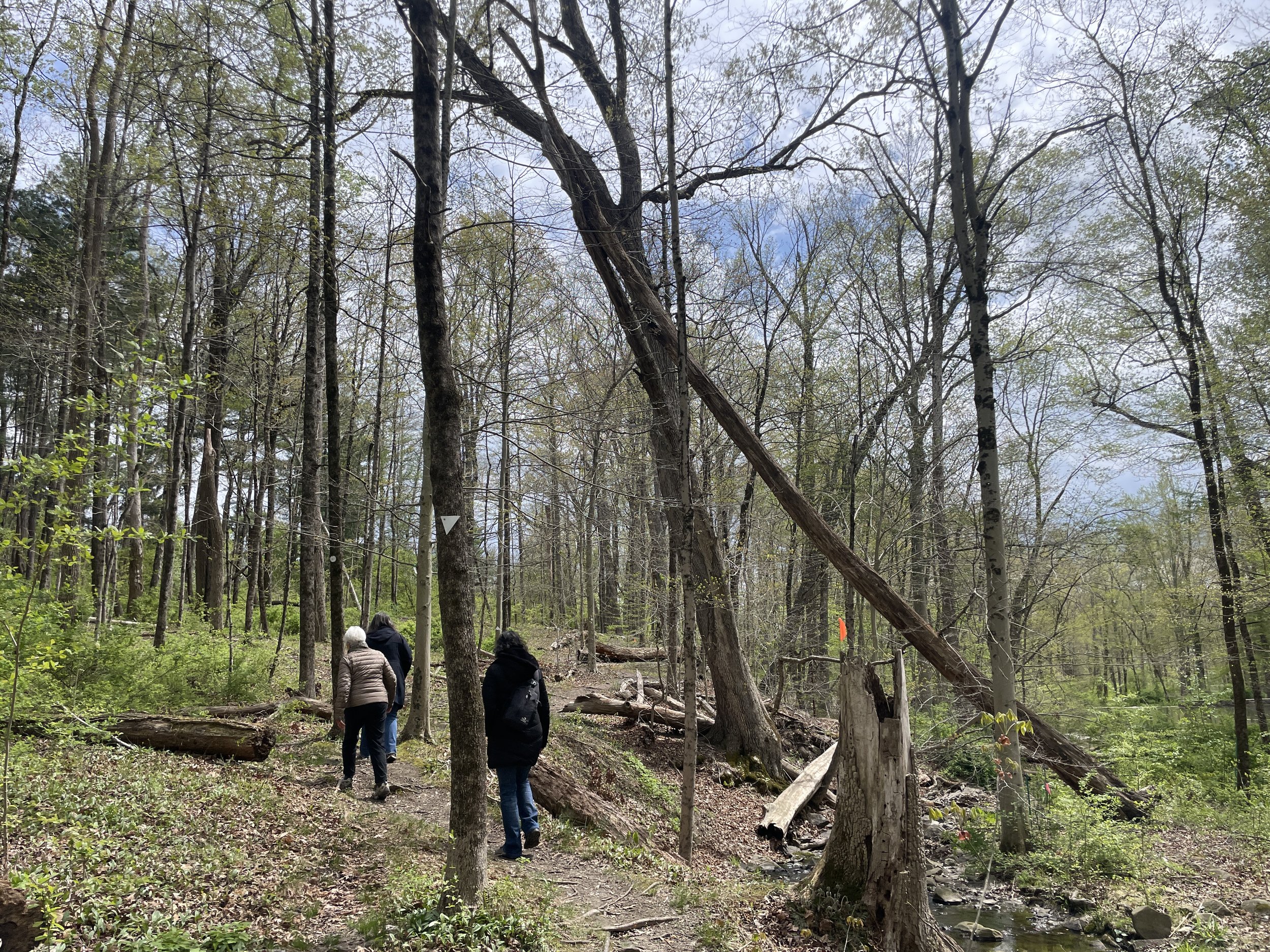
Photo 1: 153-Acre Wood
Photos 2-4: Witherspoon Woods
Ohio
Cedar Bog Nature Preserve- Champaign County: Cedar Bog Nature Preserve is a remnant alkaline fen with sedge meadow, white cedar forests, and adjacent swamp hardwood forests. The Preserve is actually a fen as it drains water left behind by the retreating glaciers of the Wisconsin glaciation about 12,000-18,000 years ago. Northern white cedar forms a climax forest adjacent to the sedge meadows. The hardwood forest includes elm, cottonwood, sycamore, silver maple, oak, tulip poplar, basswood, and black walnut.
Pearson South Remnant Great Black Swamp- Lucas County: Pearson Metropark preserves one of the last remnants of the Great Black Swamp which was a vast, once-impenetrable forest that covered much of northwest Ohio. Although a network of ditches runs through the area, portions near the Orange Trail (also known as the Great Black Swamp Trail) still hold significant water depths, providing habitat for waterfowl such as wood ducks and mallards. The forest is defined by towering, wide-spreading old-growth trees, a dense understory of spicebush, and a spring forest floor alive with wildflowers such as wild ginger and jack-in-the-pulpit.
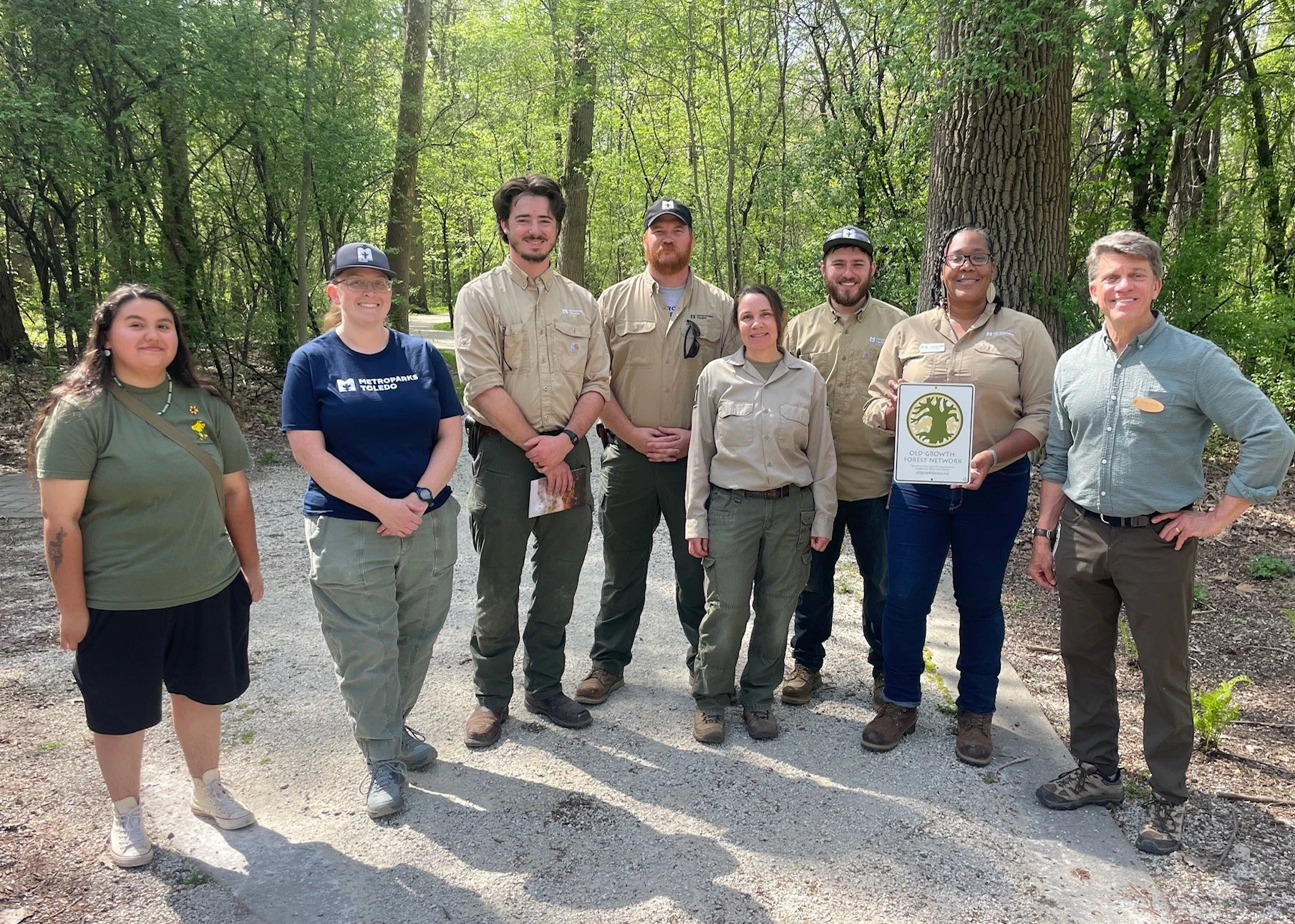
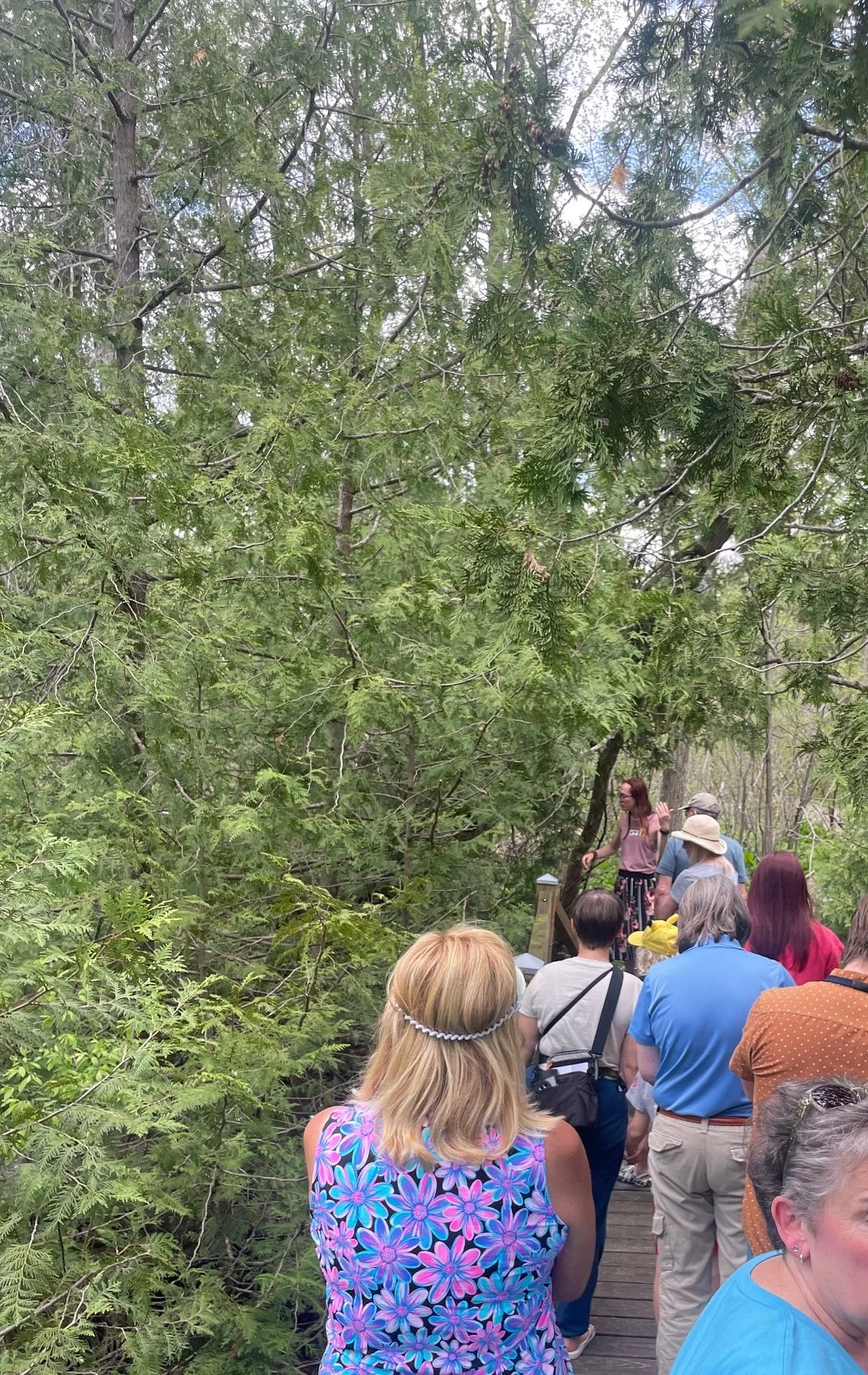
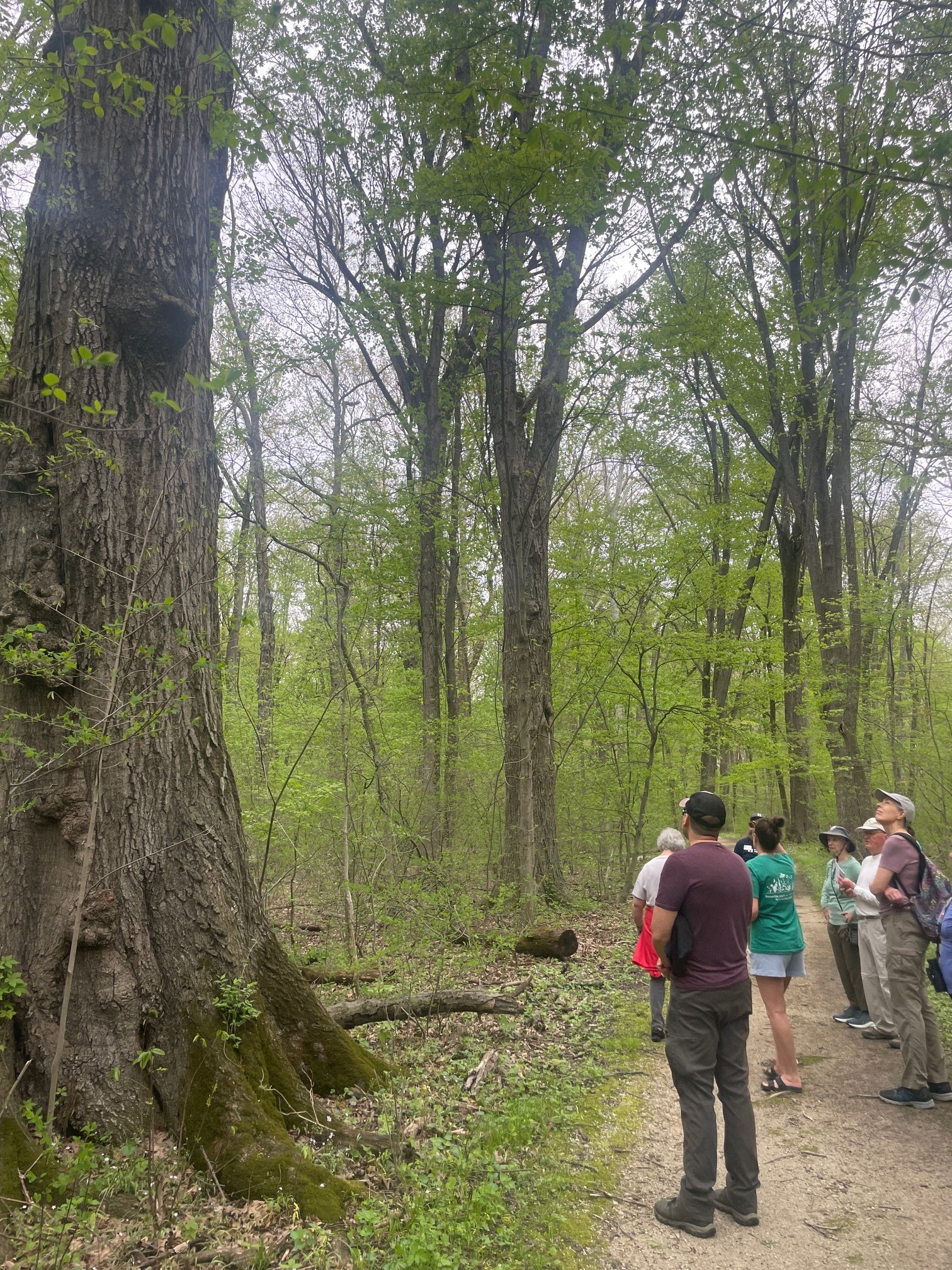
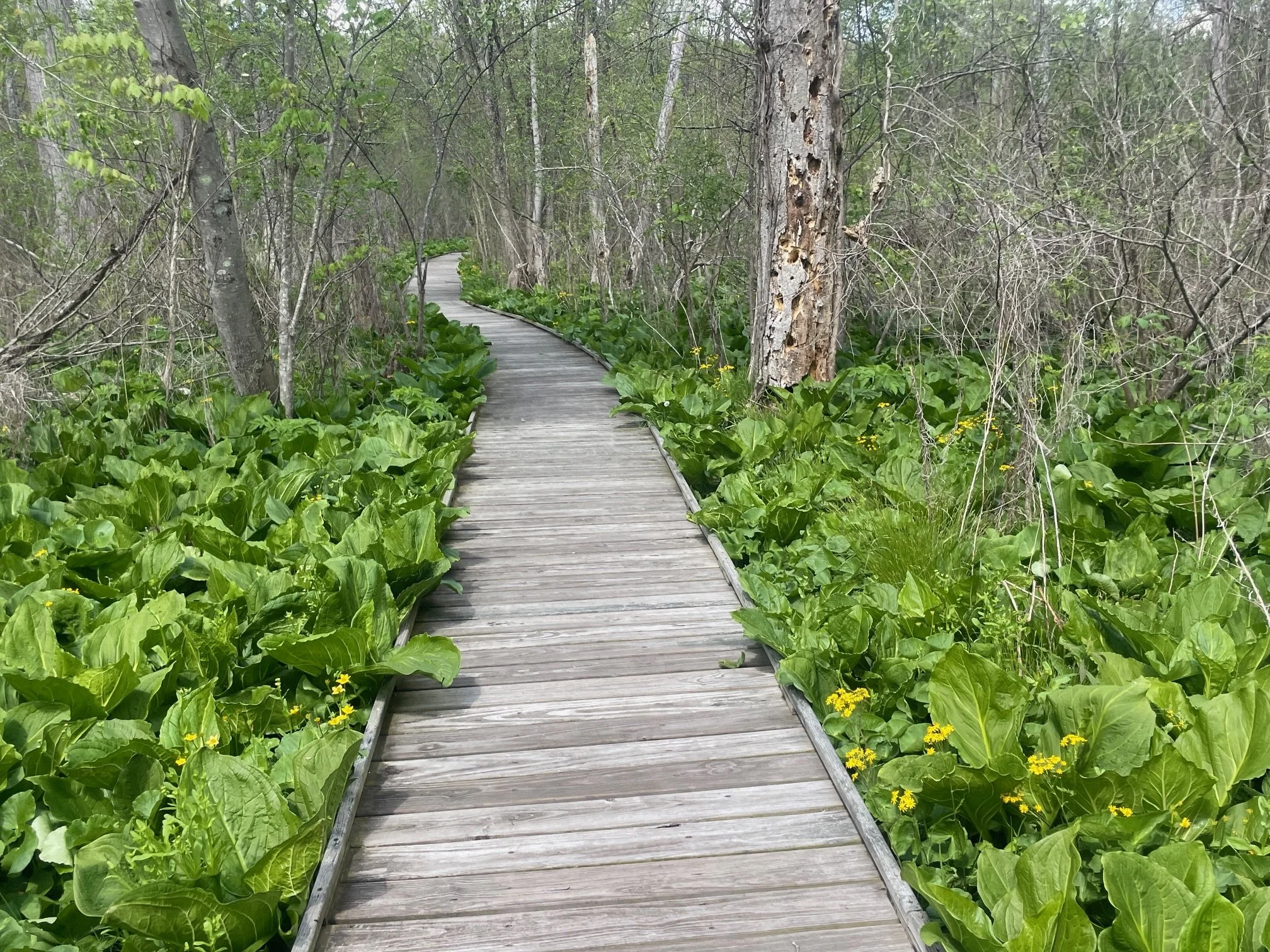
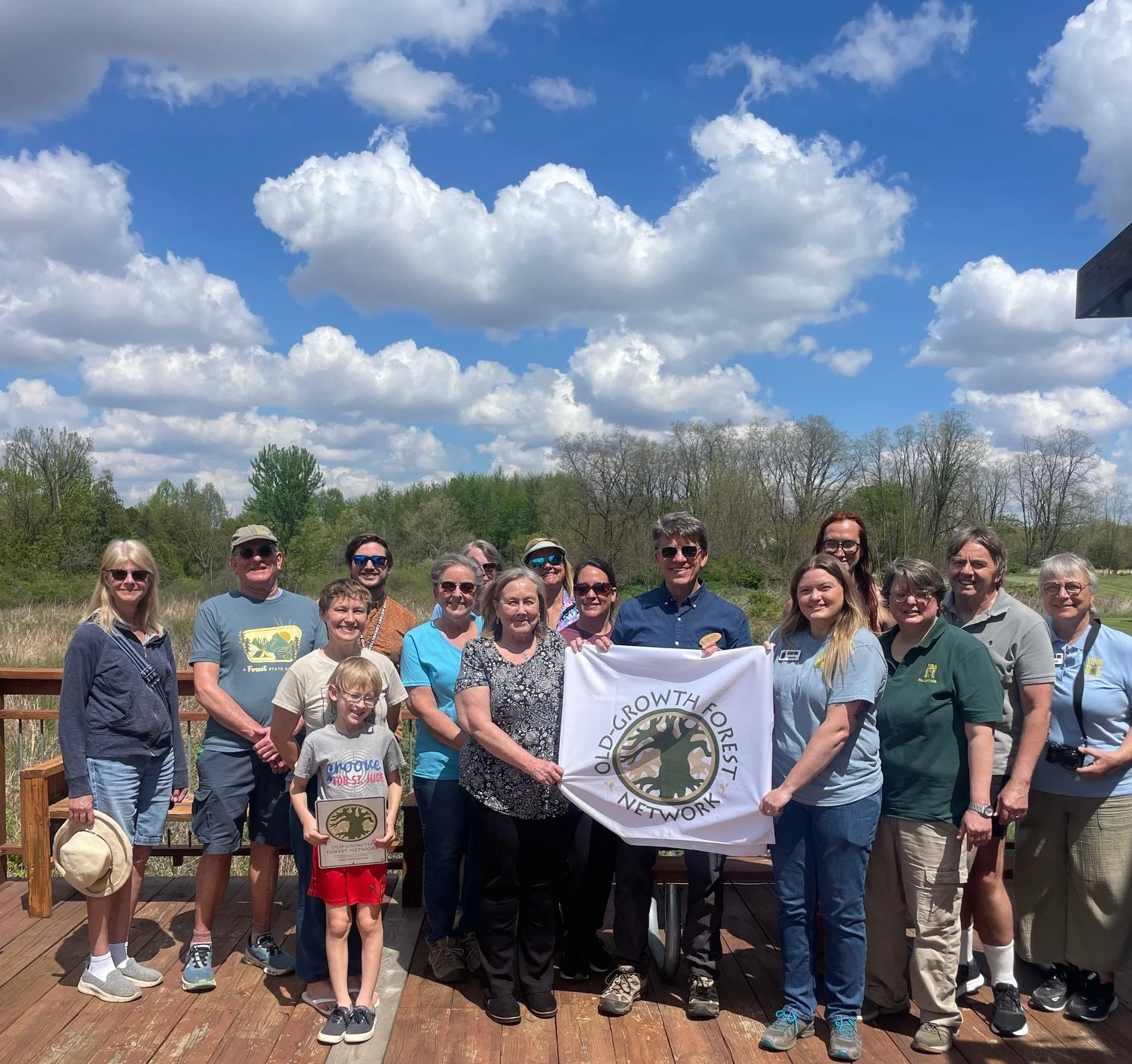
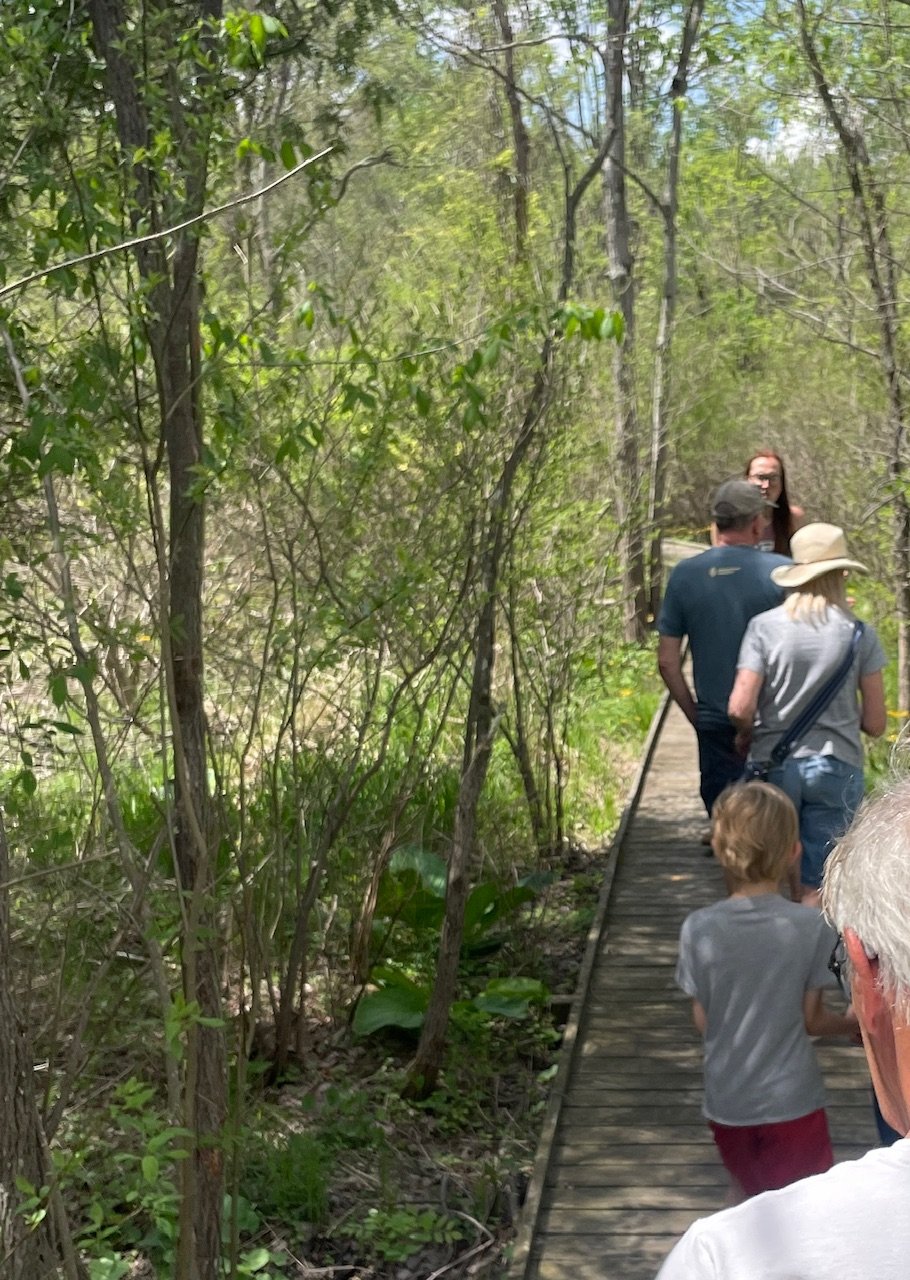
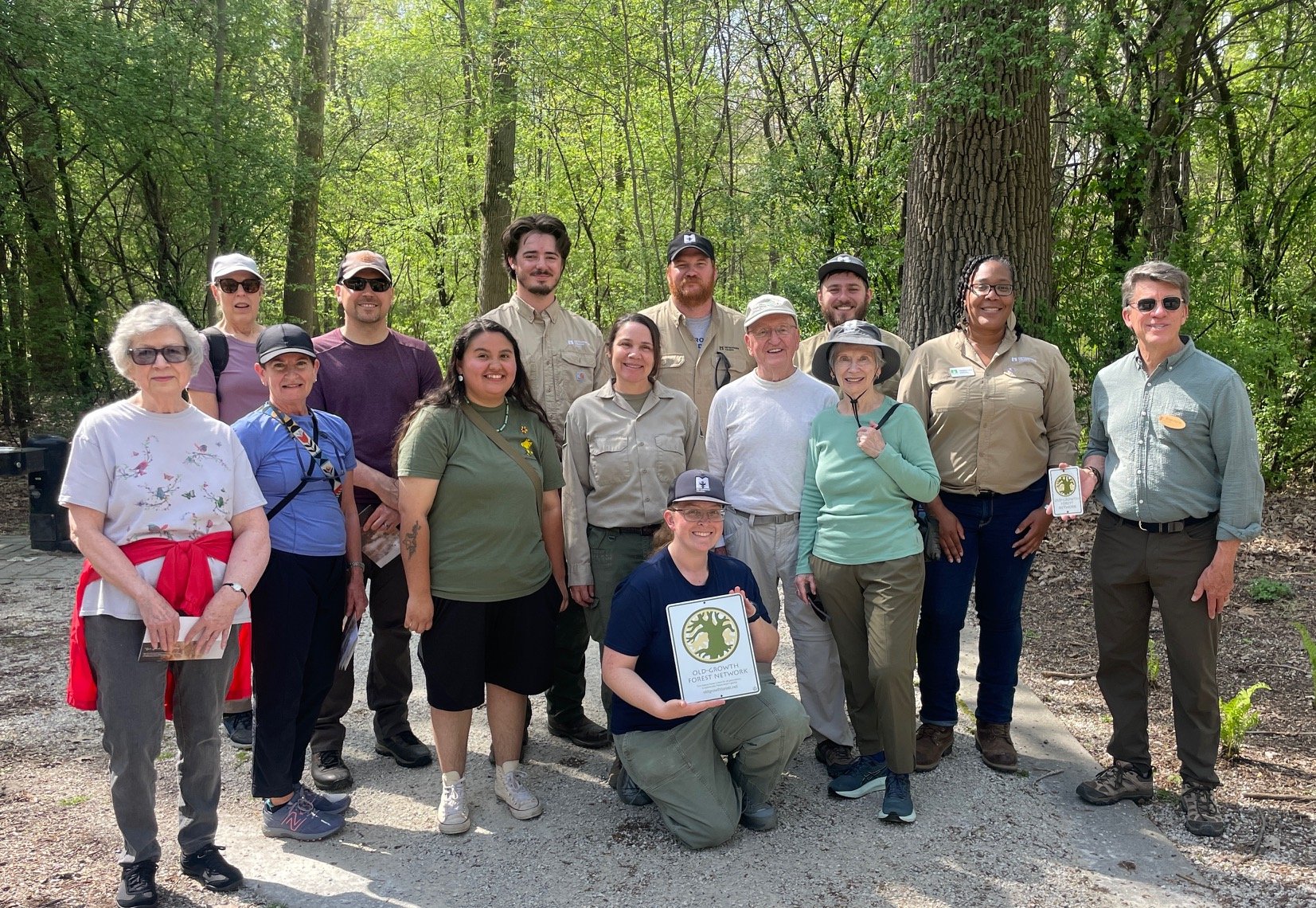
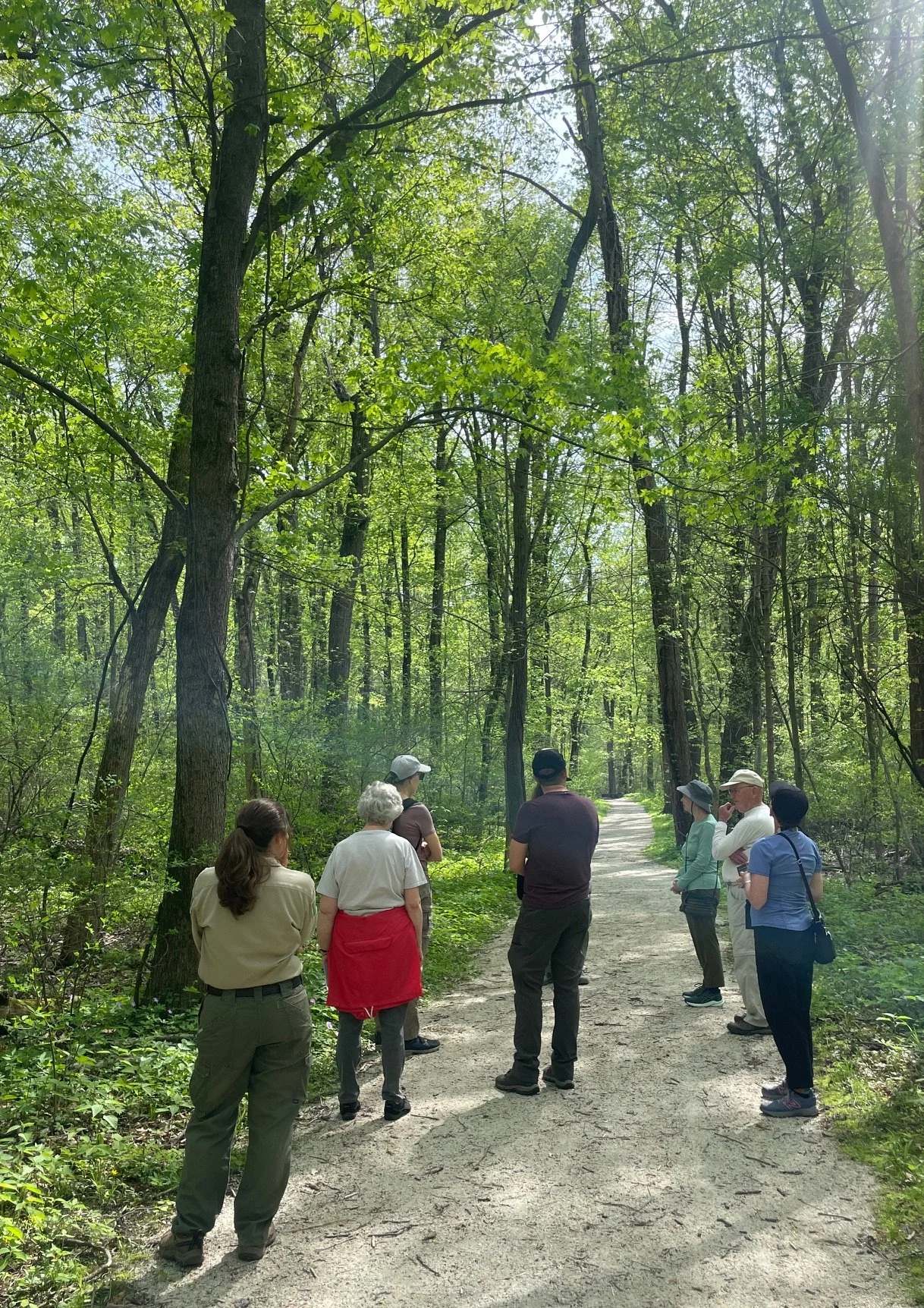
Photos 1-3: Pearson South Remnant Great Black Swamp
Photos 4-6: Cedar Bog Nature Preserve
Photos 7-8: Pearson South Remnant Great Black Swamp
Oregon
Ancient Juniper Trail - Oregon Badlands Wilderness- Deschutes County: Located just 15 miles east of Bend, Oregon Badlands Wilderness is a 30,000-acre area filled with fascinating lava flows and ancient western juniper trees. Here, you will find some of the oldest trees in Oregon, ancient pictographs, incredible displays of desert wildflowers, dry river canyons and castle-like rock formations. The wilderness preserves a scene unlike any you will find anywhere else in Oregon’s high desert, and a favorite landscape enjoyed by locals and visitors alike.
West Fork Metolius River Trail- Jefferson County: The Metolius River is well known for its spectacular scenery of clear blue waters rushing past red-barked pines. Ancient ponderosa pine forests and wildflower meadows line the river trail and pass tributaries of the Metolius that are proposed to be protected in the River Democracy Act. The trail along the river is 6 miles long one-way. You will pass under ancient Ponderosa Pines and mixed-aged stands of conifers including Douglas-firs and incense cedars. Large, fire-scarred ponderosas stand live and dead, creating habitat for cavity nesting birds and mammals.
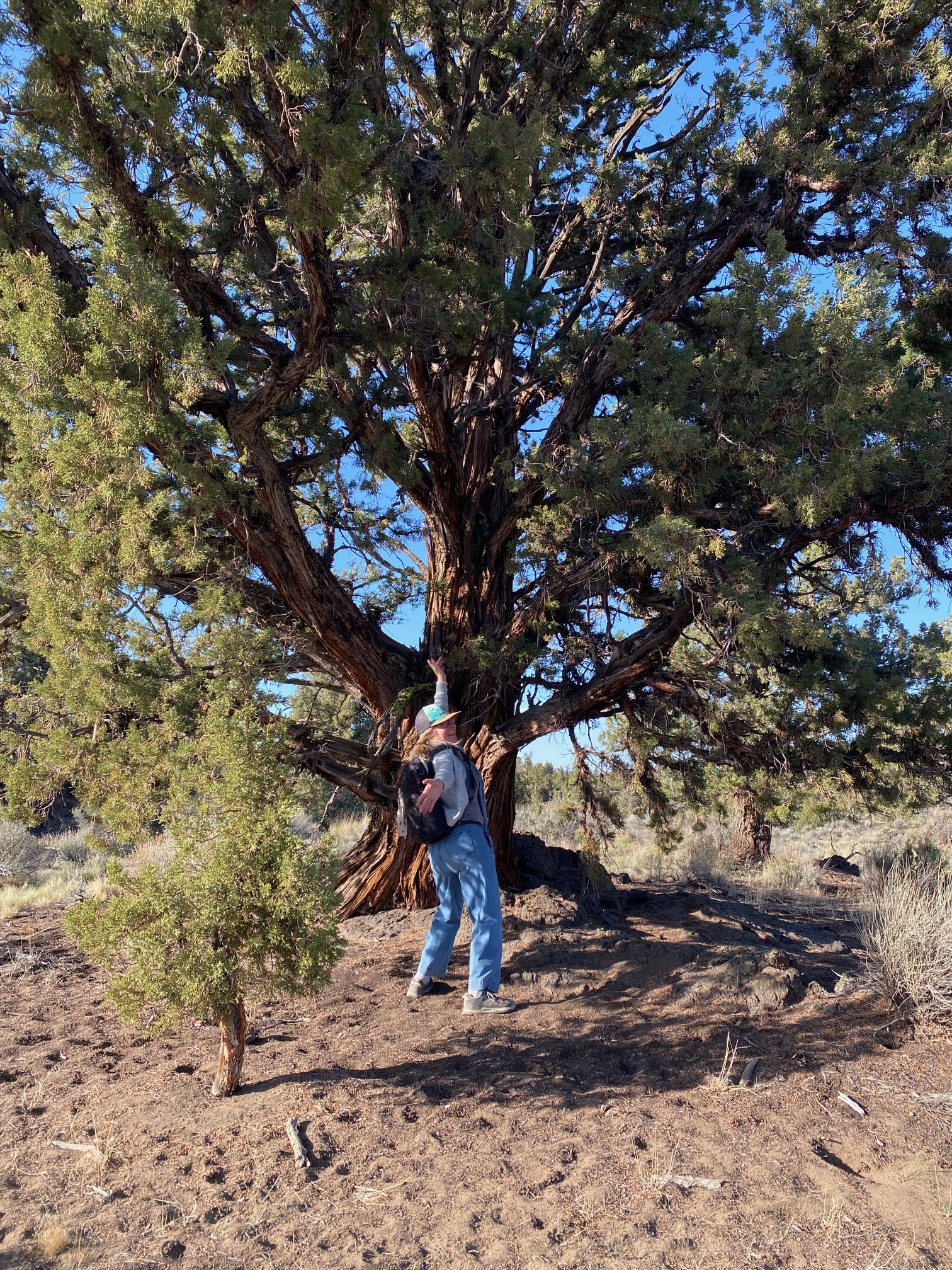
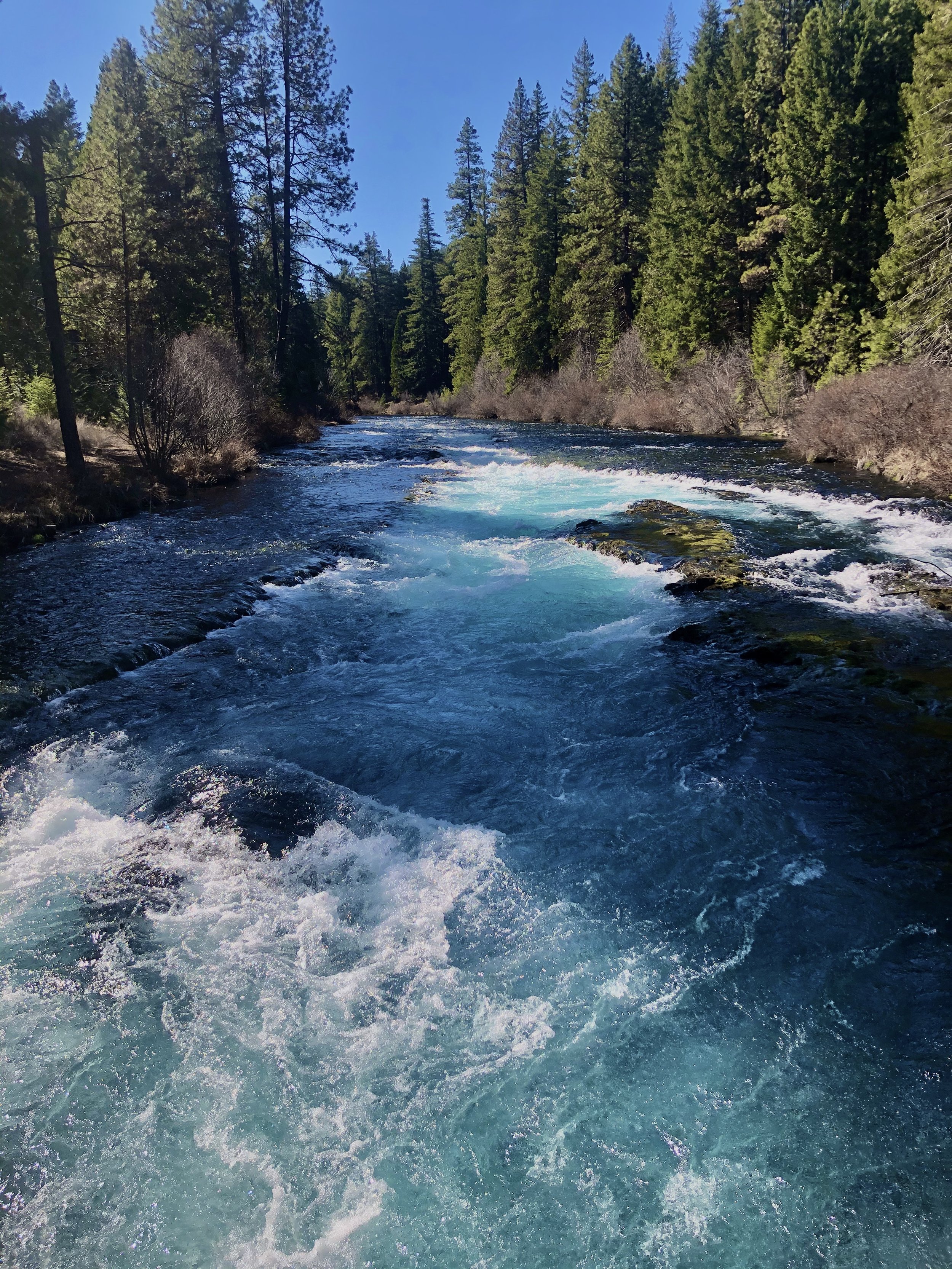
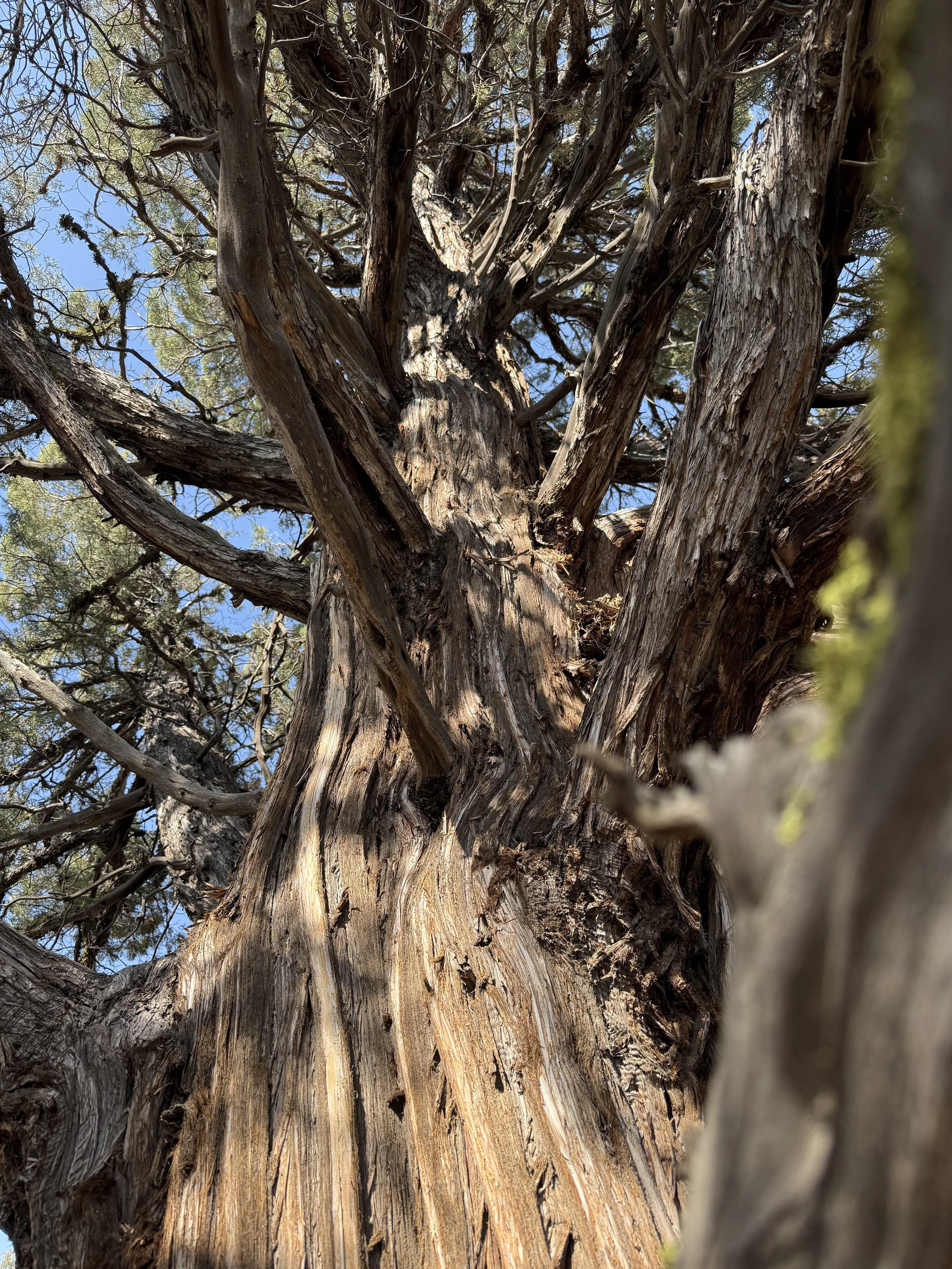
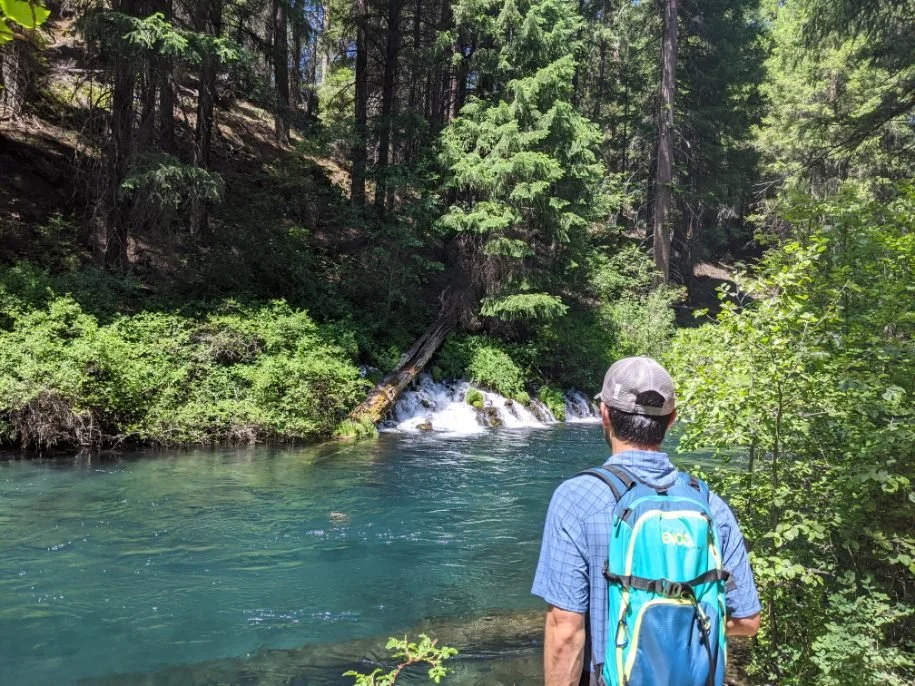
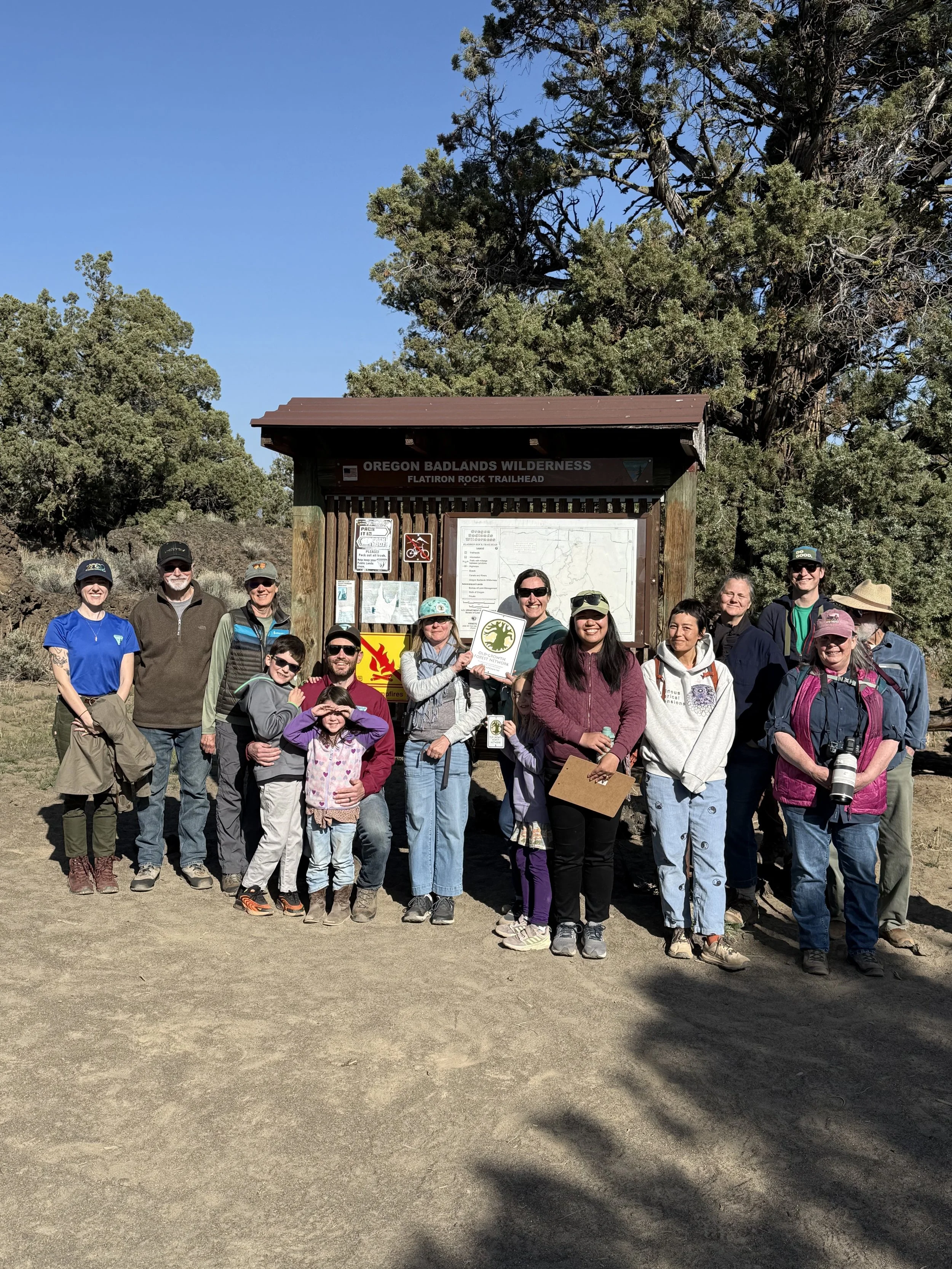
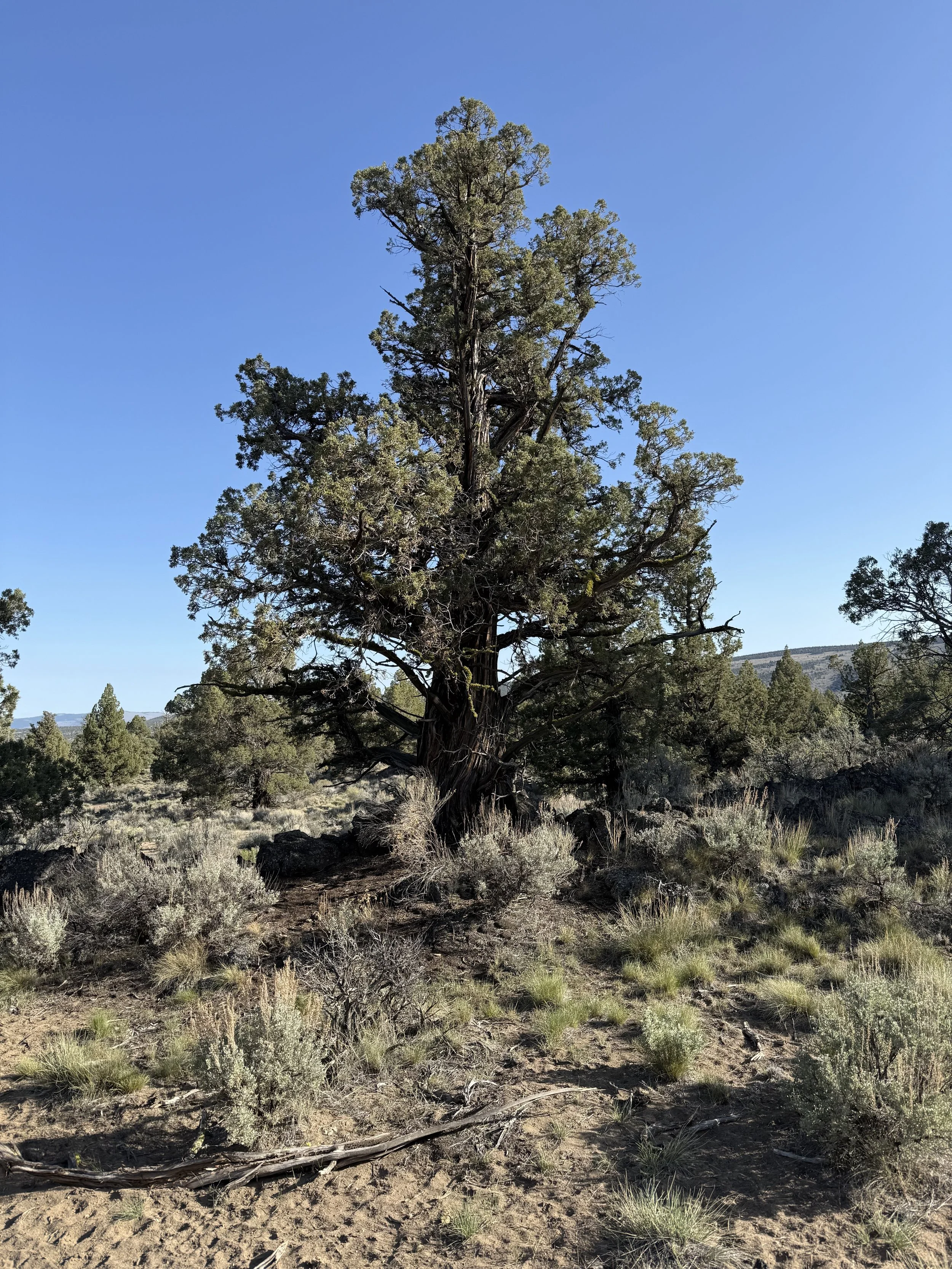
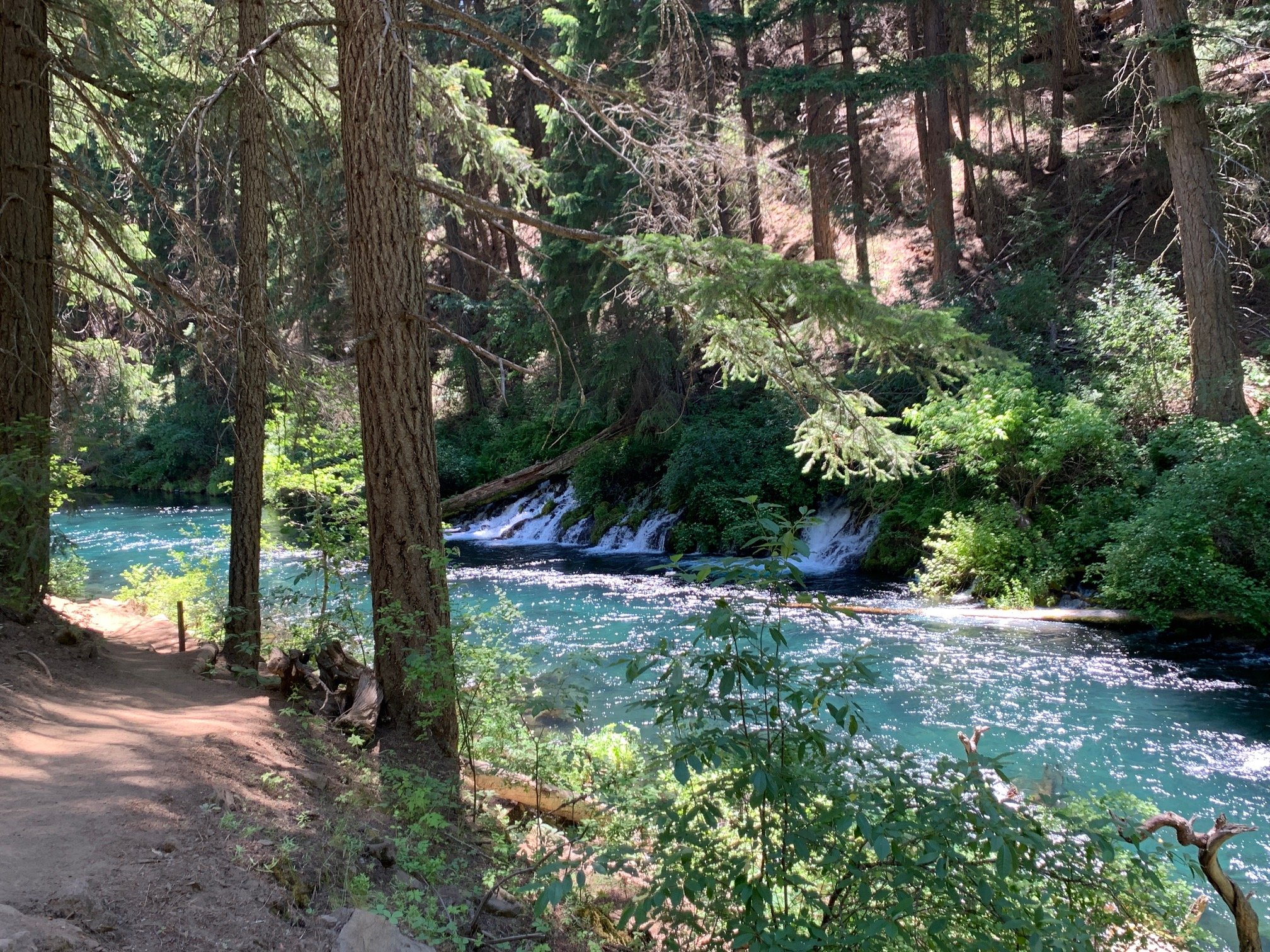
Photo 1: Ancient Juniper Trail - Oregon Badlands Wilderness
Photo 2: West Fork Metolius River Trail
Photo 3: Ancient Juniper Trail - Oregon Badlands Wilderness
Photo 4: West Fork Metolius River Trail
Photos 5-6: Ancient Juniper Trail - Oregon Badlands Wilderness
Photo 7: West Fork Metolius River Trail
*Metolius River Trail photos courtesy of Sami Godlove and Kaylee Graham.
Indiana
Edna W. Spurgeon Woodland Reserve- Noble County: Established in 1961, the 44-acre core of the preserve encompasses a mixed mesic climax forest that was expanded to its present 65-acre size in 1964 with the addition of an adjoining 21-acre tract consisting chiefly successional woodlands and mucklands on former agricultural land. The preserve features giant trees, exceptionally lush wildflower displays, and a stellar example of hummocky sand and gravel with many deep, enclosed depressions, some of which host small wetlands.
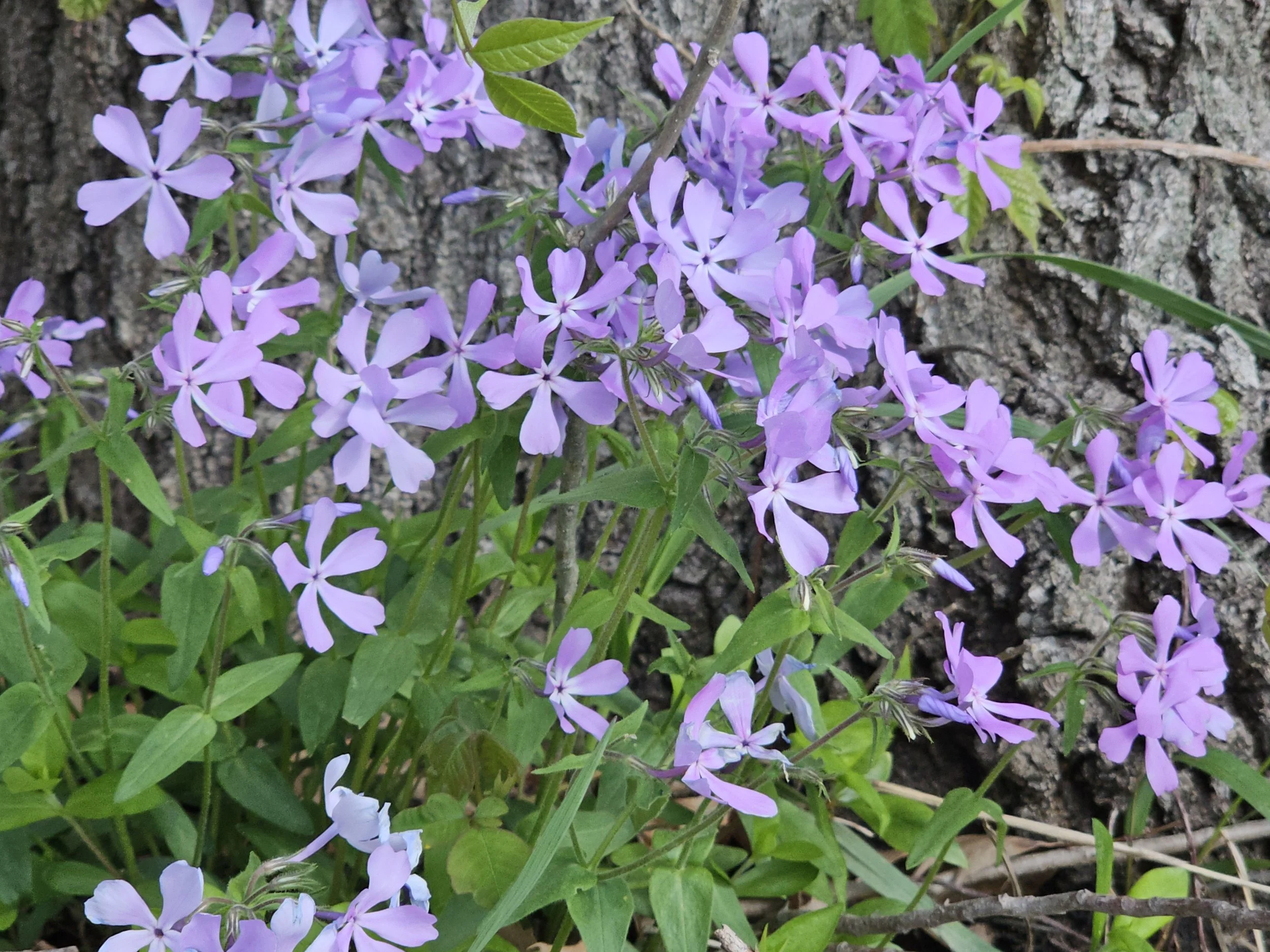
Eunice H. Bryan Woods State Nature Preserve- Clinton County: This woods stands like an oasis surrounded by farmland. As you approach the preserve notice how tall, dense and even the forest canopy is, compared to woodlots which have been more heavily grazed and timbered. In the preserve, great white oaks, 4 feet in diameter, are found with large red oak, beech, basswood, and shagbark hickory on drier sites. Smaller poorly drained spots along the northern edge of the woods have pin oak, bur oak and red maple. Spring wildflowers include yellow and white trout lilies, Dutchman’s breeches, toothwort, and spring beauty. These are soon followed by wild blue phlox, Virginia waterleaf, and wild cranesbill.
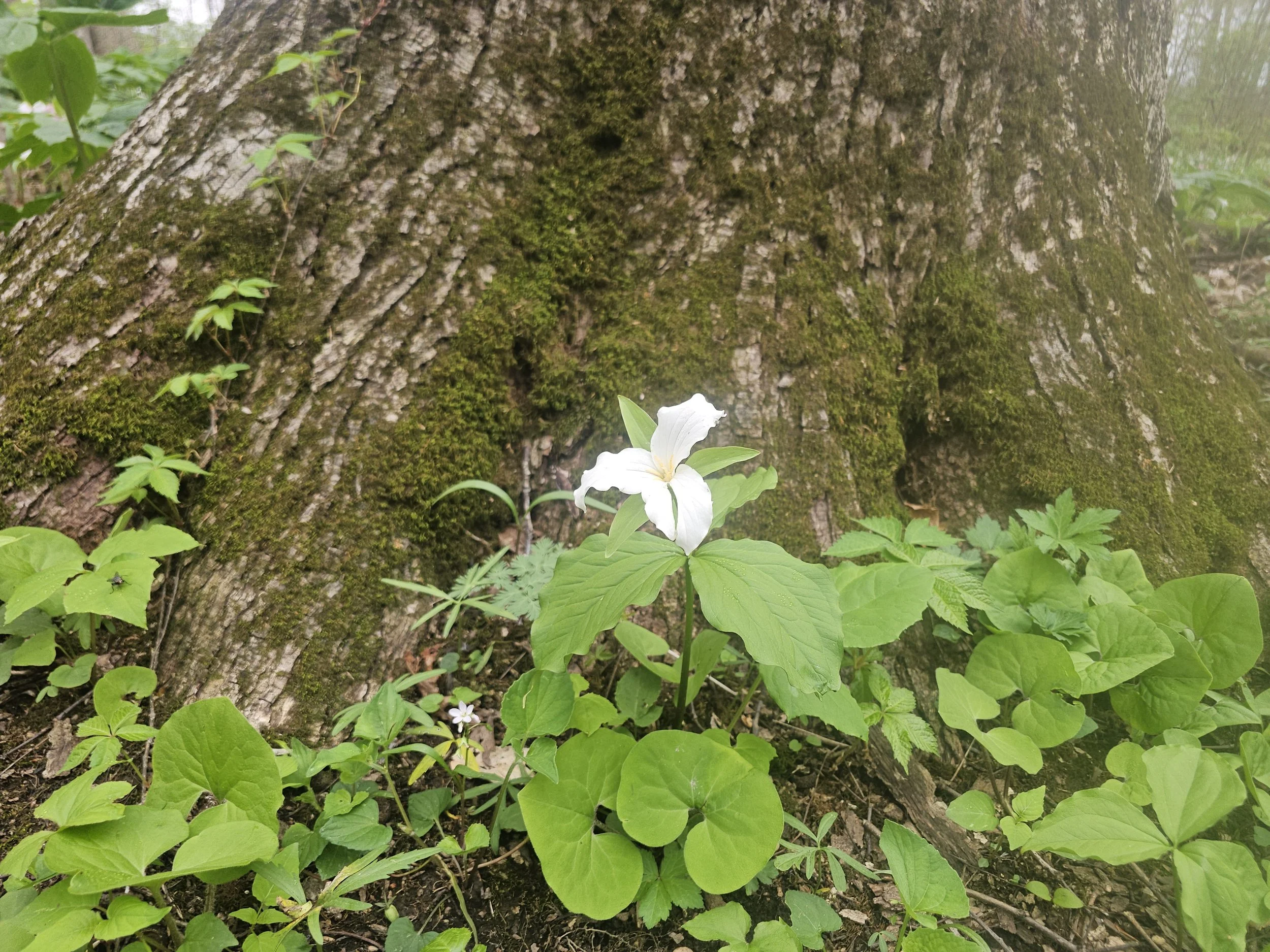
J. Timothy Ritchie Nature Preserve- Porter County: Ritchie Nature Preserve is a pocket of rich, untouched floodplain in the midst of suburban development. It lies along the banks of Sand Creek, which flows into the nearby Little Calumet River, a tributary of Lake Michigan. The quiet beech and maple woodland is covered with ephemeral wildflowers in the spring, including a beautiful display of large-flowered trilliums. The preserve also provides significant habitat for a wide variety of wildlife, including migrating and nesting birds.
Meno-Aki Forest - Metea County Park- Allen County: The Meno-Aki preserve is an oasis from the hustle and bustle of busy city life in Fort Wayne and hosts a variety of ecological communities including hill prairies, dry-mesic and mesic upland forests, and floodplain forests. Nestled near Cedar Creek, the preserve contains rare hill prairies, which are not found anywhere else in Indiana, and are more typically found further west. Common tree species include beech, maple, cottonwood, and sycamore, as well as a variety of wildflowers including squirrel corn, Dutchman’s breeches, goldenseal, and at least 4 trillium species. The name Meno-aki means good or blessed land in the Potawatomi language of Chief Metea for whom the park as a whole is named.
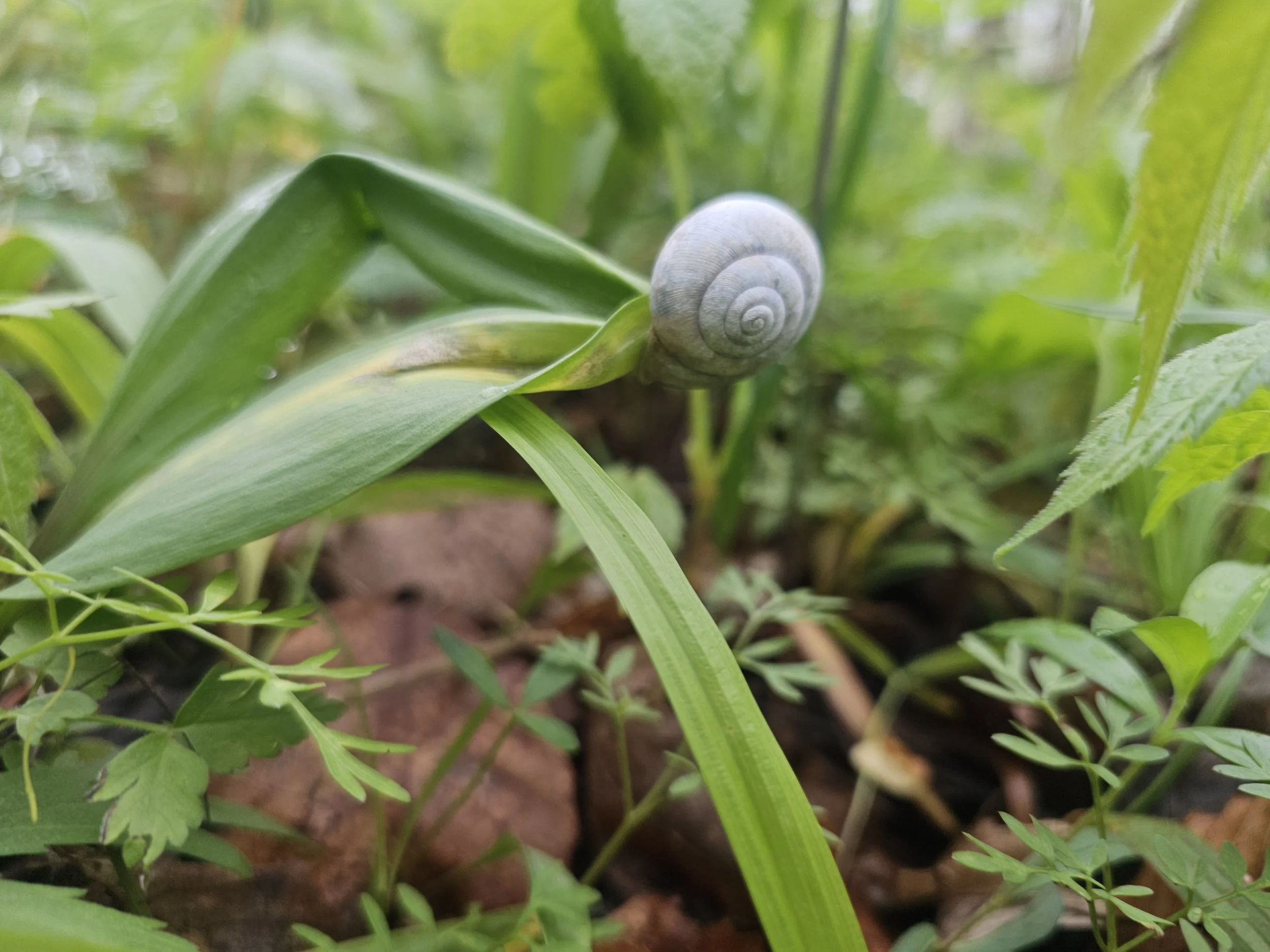
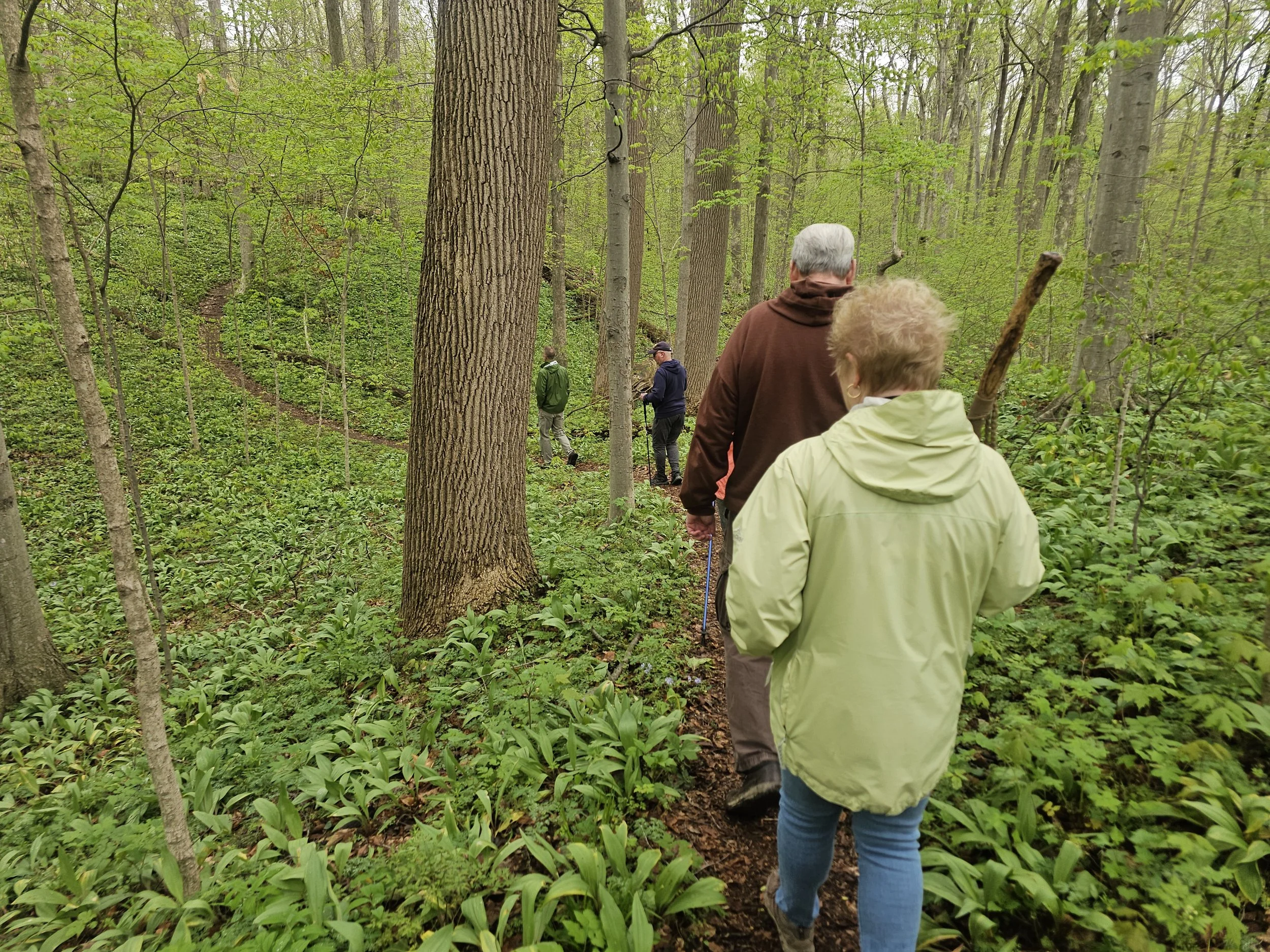
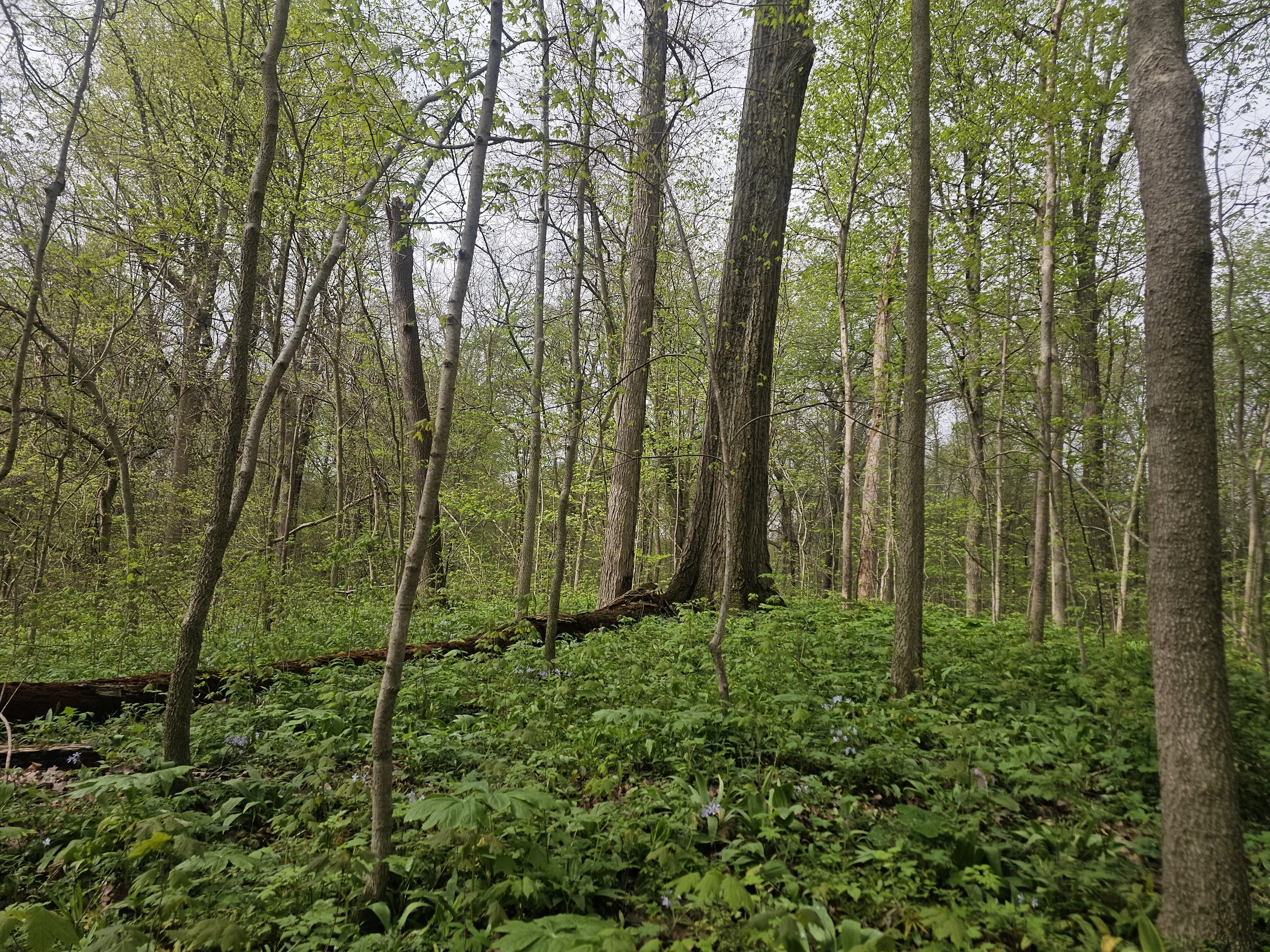
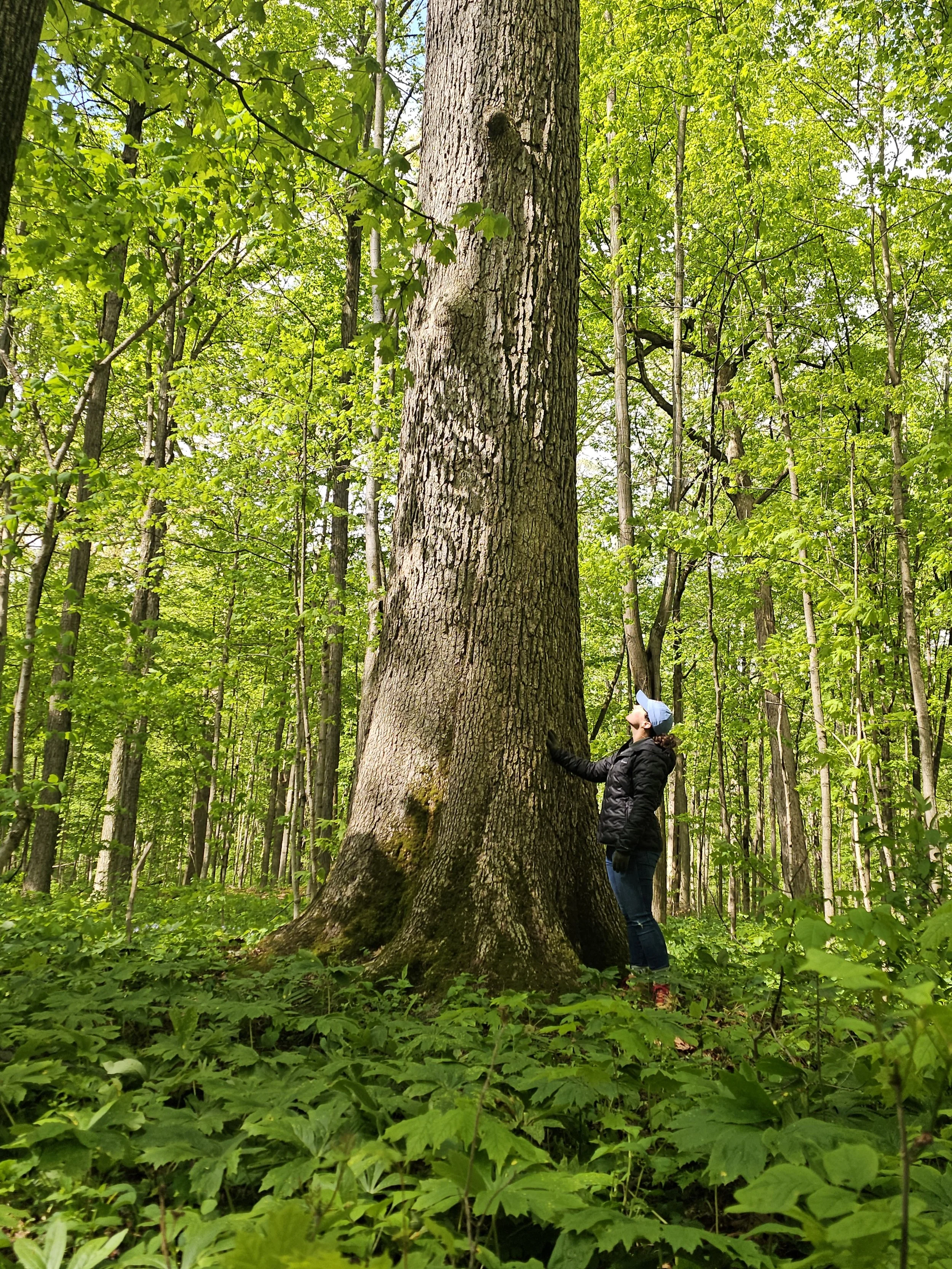
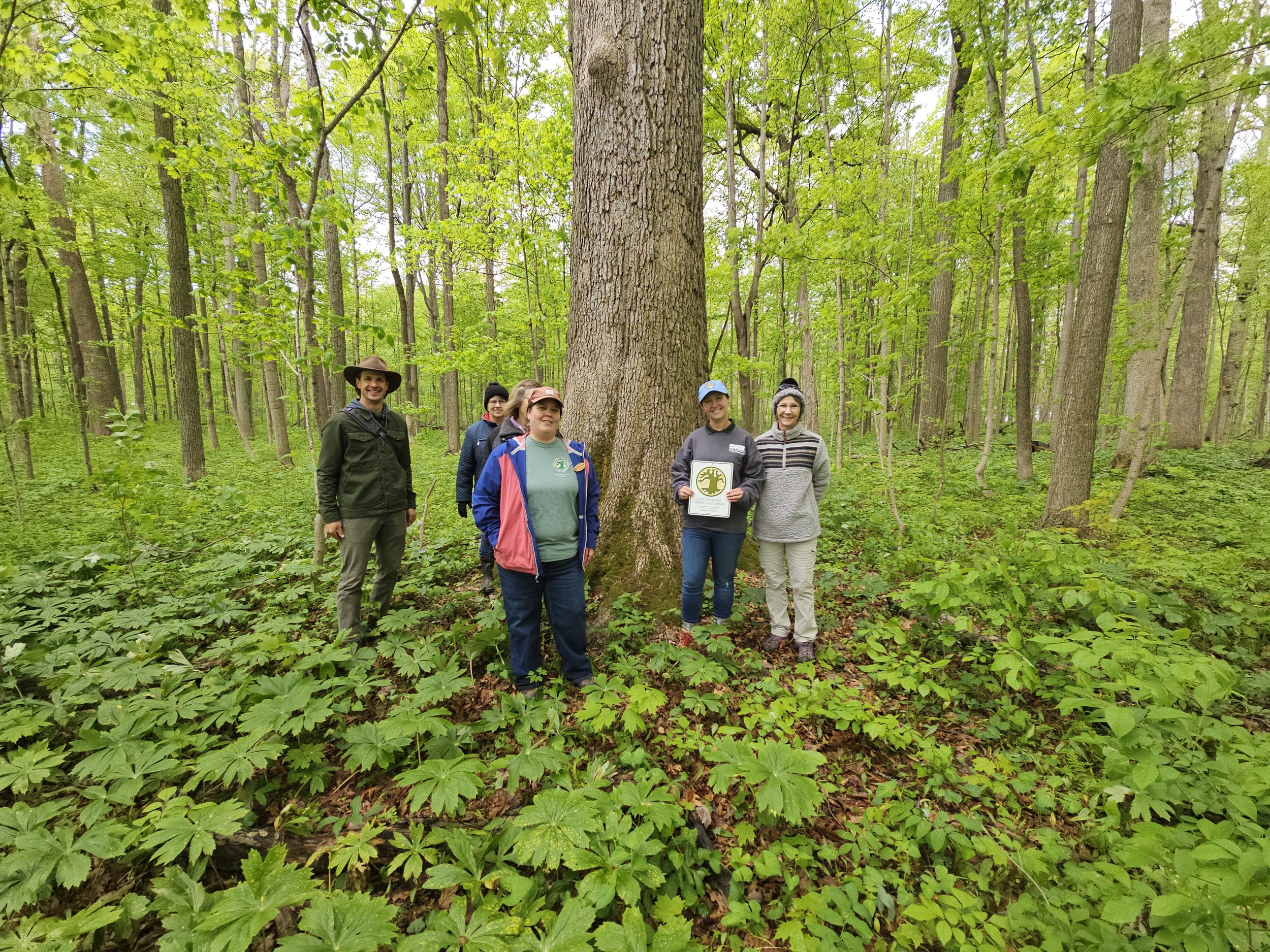
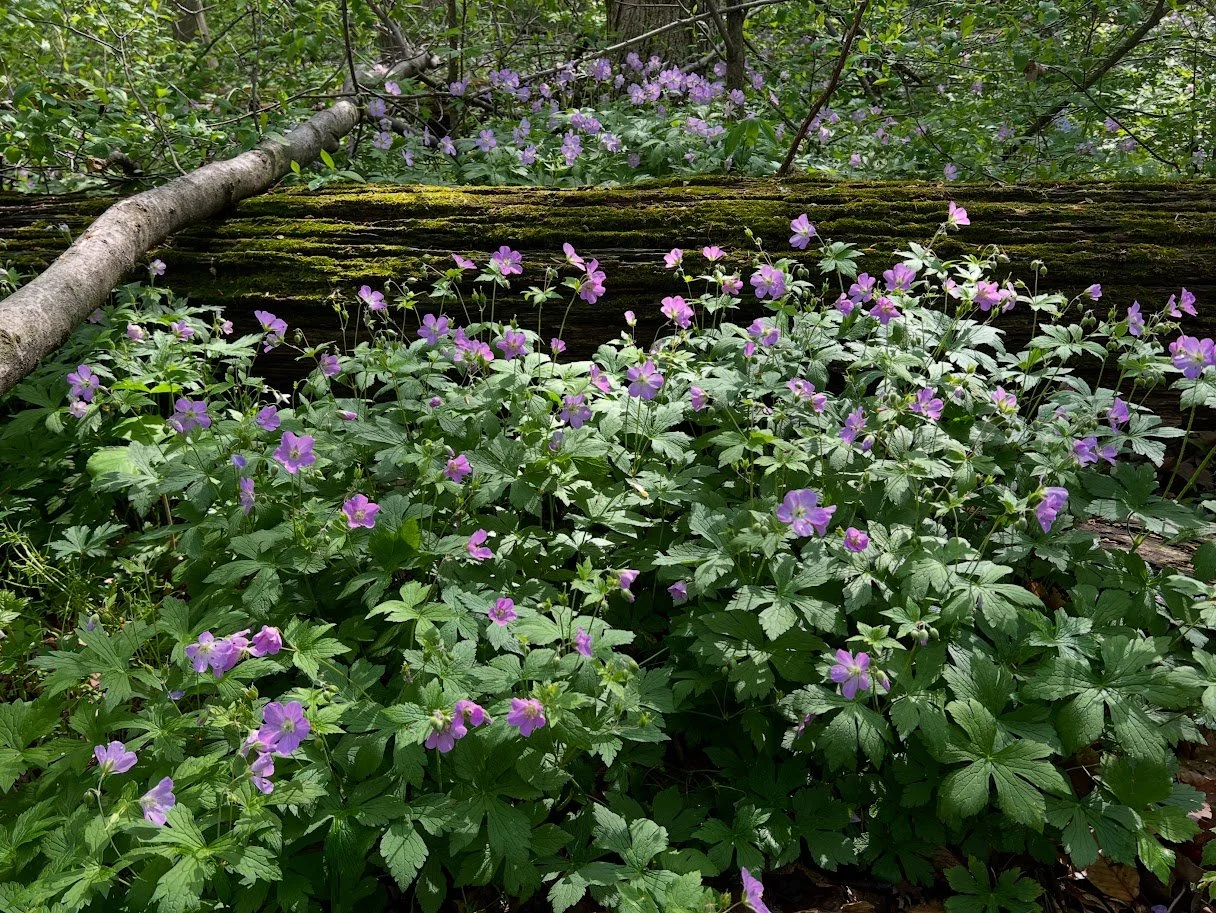
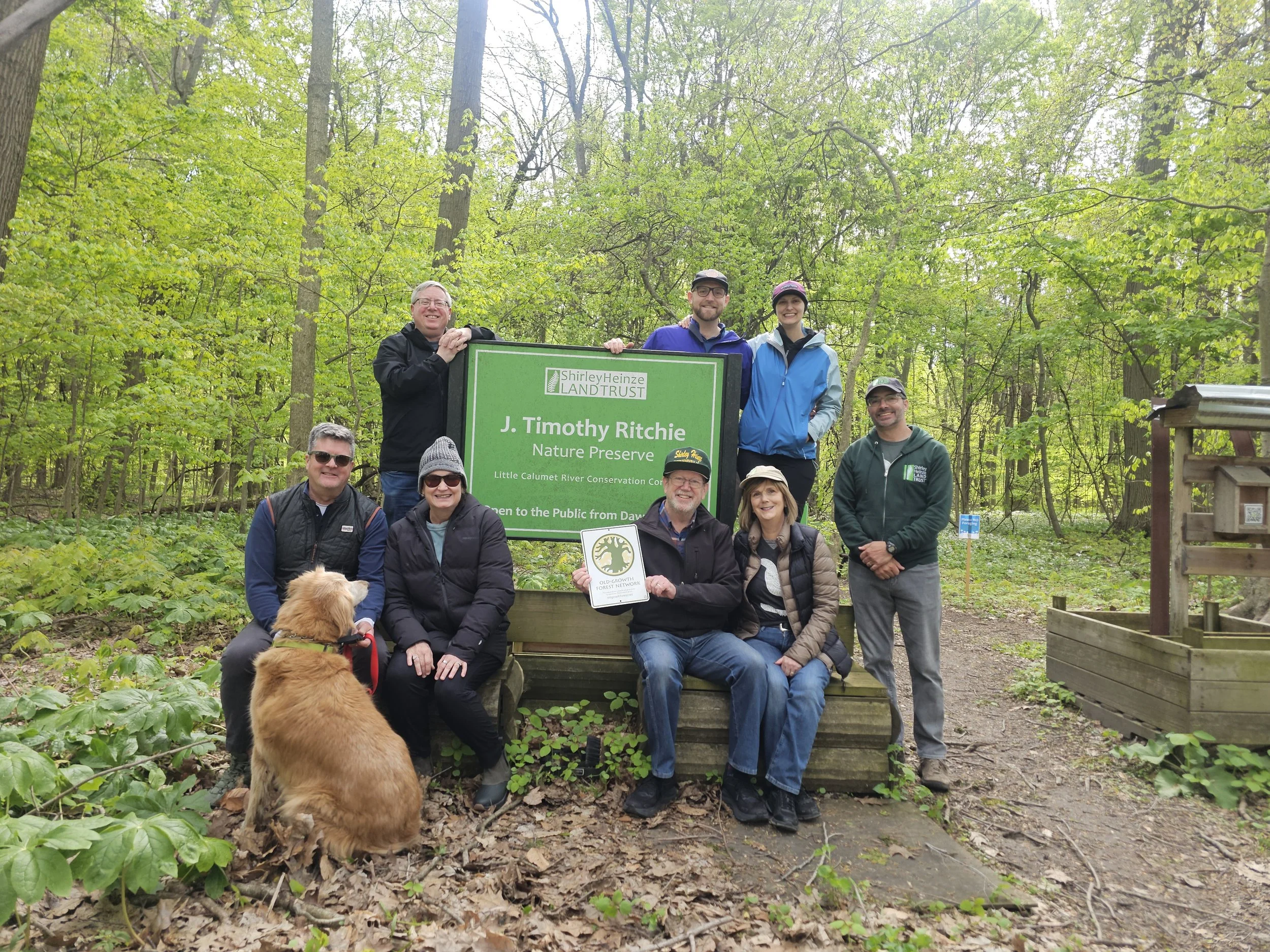
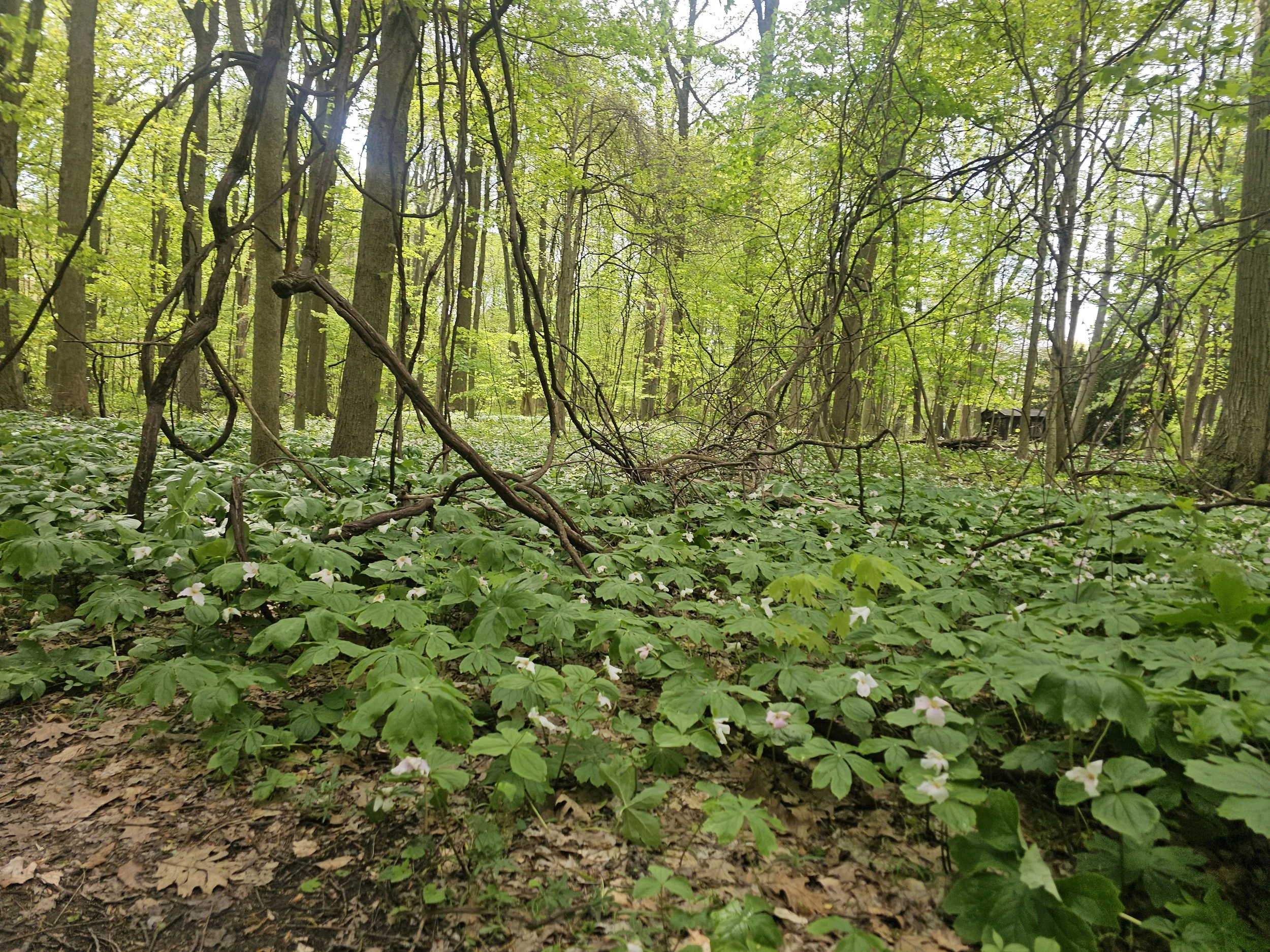
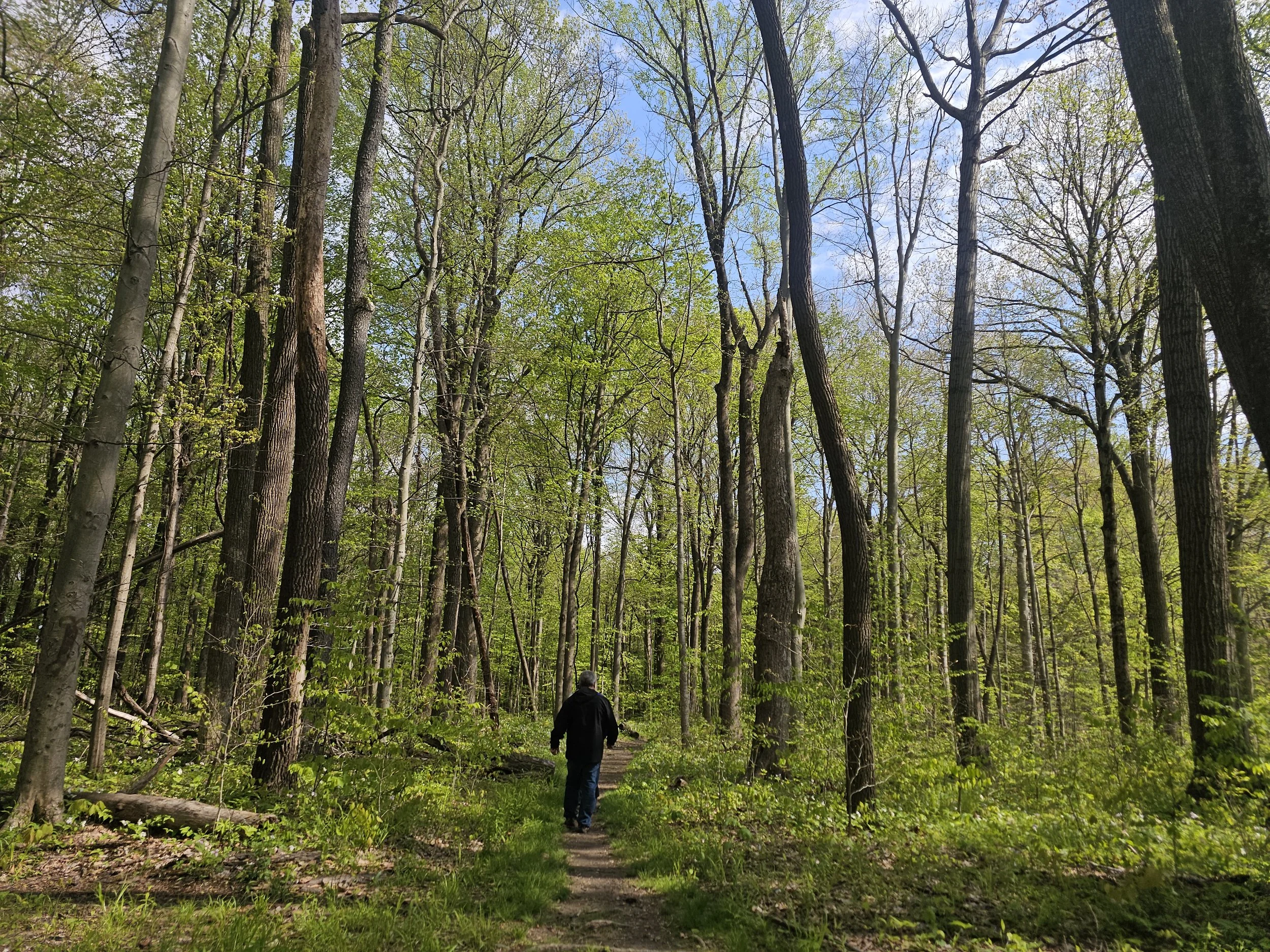
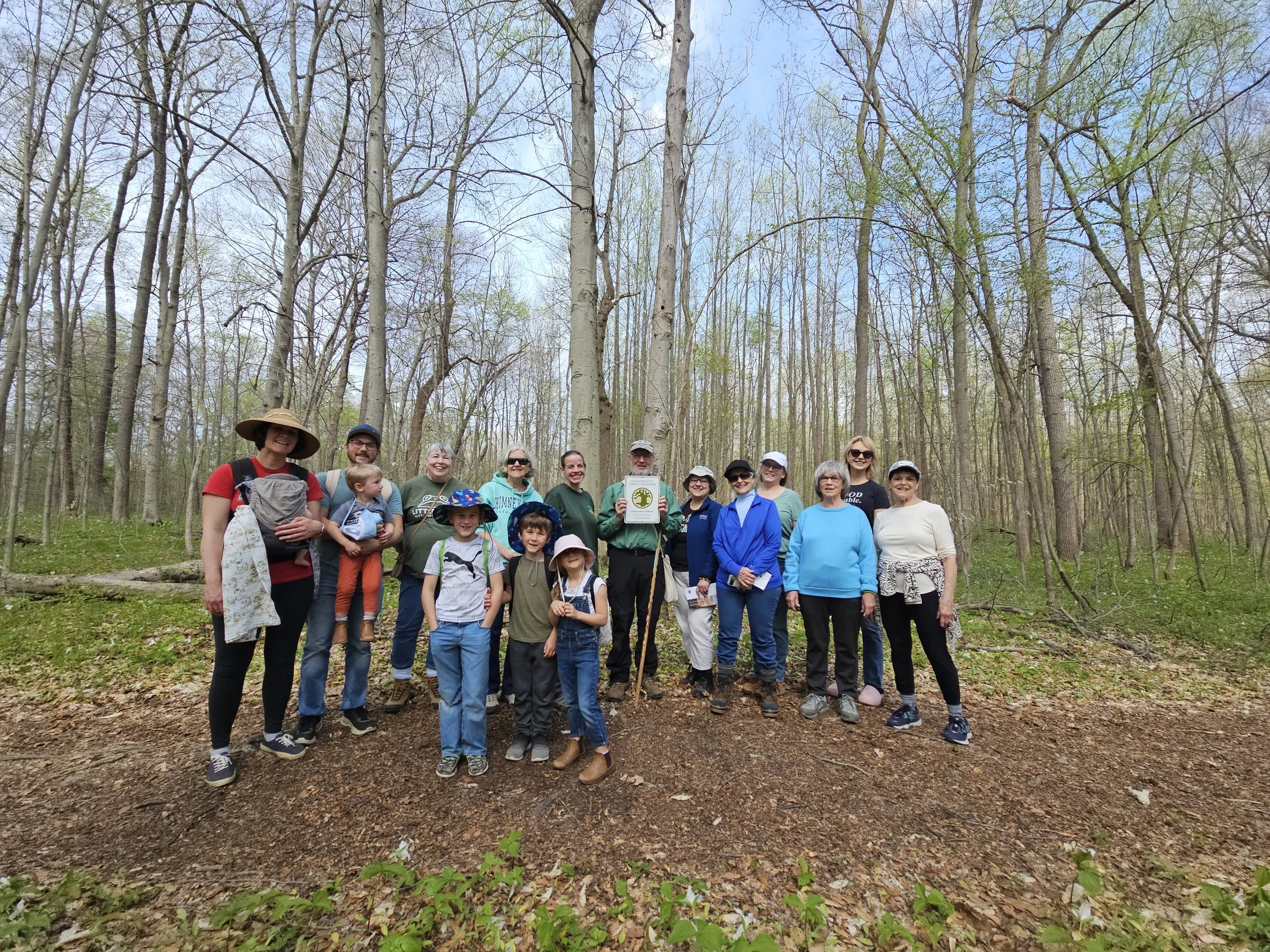
Photos 1-3: Edna W. Spurgeon Woodland Reserve
Photos 4-6: Eunice H. Bryan Woods State Nature Preserve
Photos 7-9: J. Timothy Ritchie Nature Preserve
Photos 10-12: Meno-Aki Forest - Metea County Park
Michigan
Love Creek Nature Center- Berrien County: Love Creek County Park encompasses approximately 200 acres, including an estimated 20–25 acres of high-quality, old-growth forest habitat. The forest is dominated by mature beech, maple, and red oak, providing a diverse and relatively undisturbed woodland ecosystem. The park supports a rich spring wildflower community, including several ephemeral and spring wildflower species such as white trillium, toadshade trillium, and prairie trillium, along with hepatica, blue-eyed Mary, and showy orchis.
Lepard Nature Preserve- Kent County: Lepard Preserve is a 51-acre park which is primarily forested with maturing second-growth forests. Trees are likely 100-120 years old based on forests nearby. The forest type is Mesic Southern Forest (maple-beech) comprised primarily of sugar maple, northern red oak, American beech, including associates such as basswood, black cherry, American elm, red maple, and black walnut. This forest is significant for its relatively exceptional Floristic Quality Index and excellent display of spring ephemerals.
Misty Acres: The Borwell Preserve- Manistee County: The Preserve is a 600-acre property that straddles the Benzie-Manistee County line. It includes more than 360 acres of forest, 6200 feet of the Betsie River, and sensitive wetlands. Major tree species include sugar maple, hemlock, basswood, black cherry, and white cedar. The property also includes a farm that is home to a small herd of sustainably managed Belted Galloway cattle.
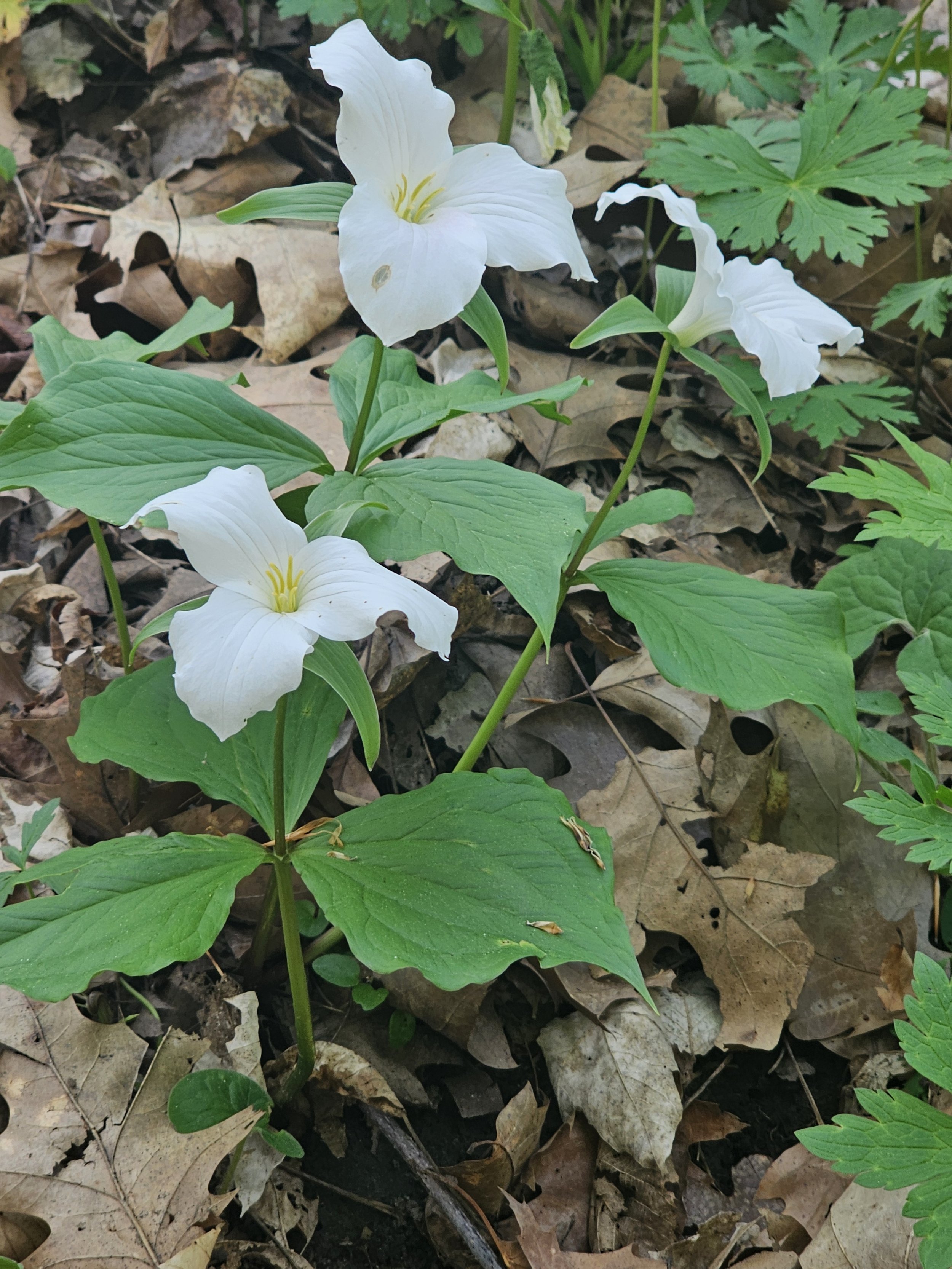
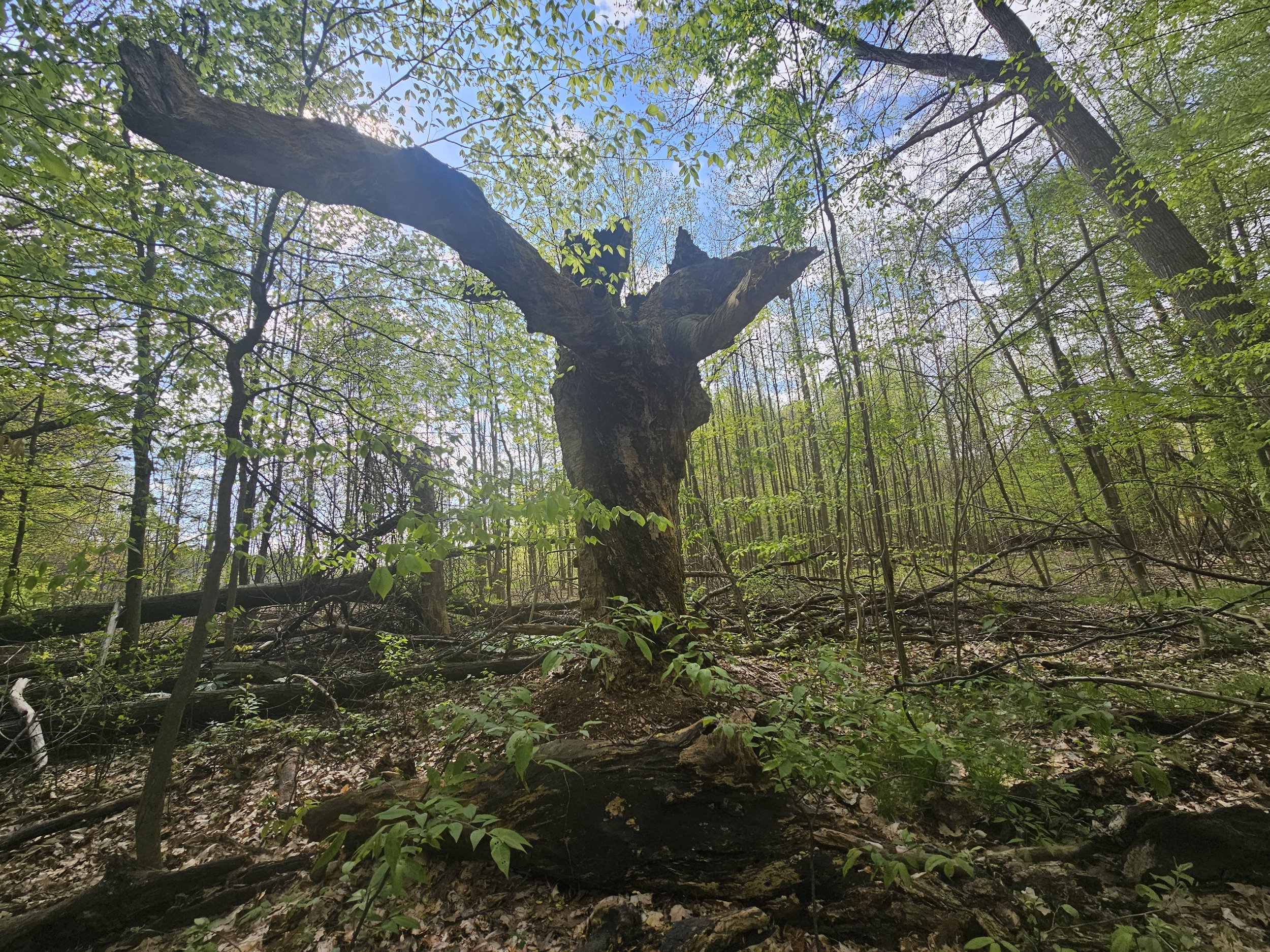
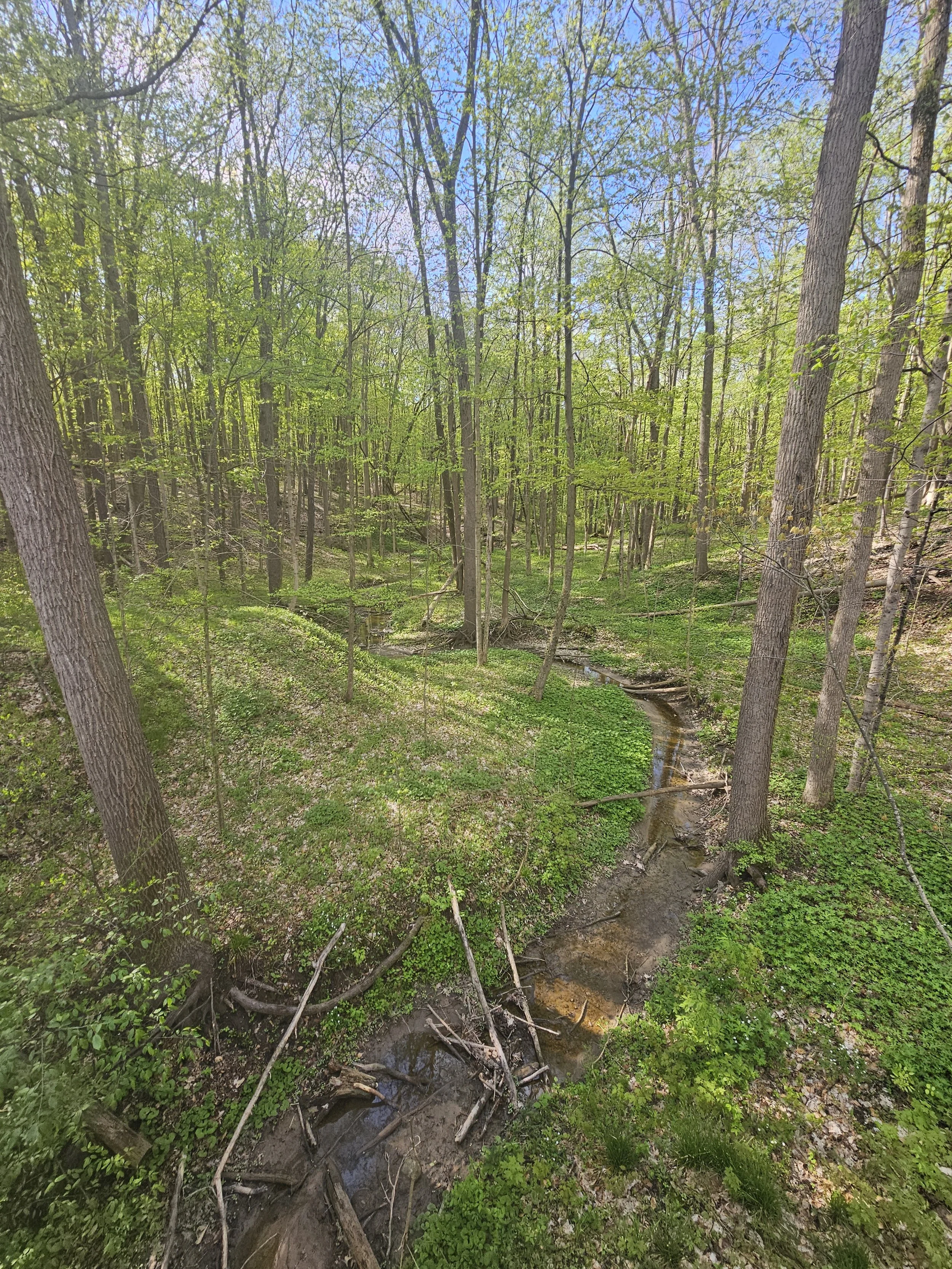
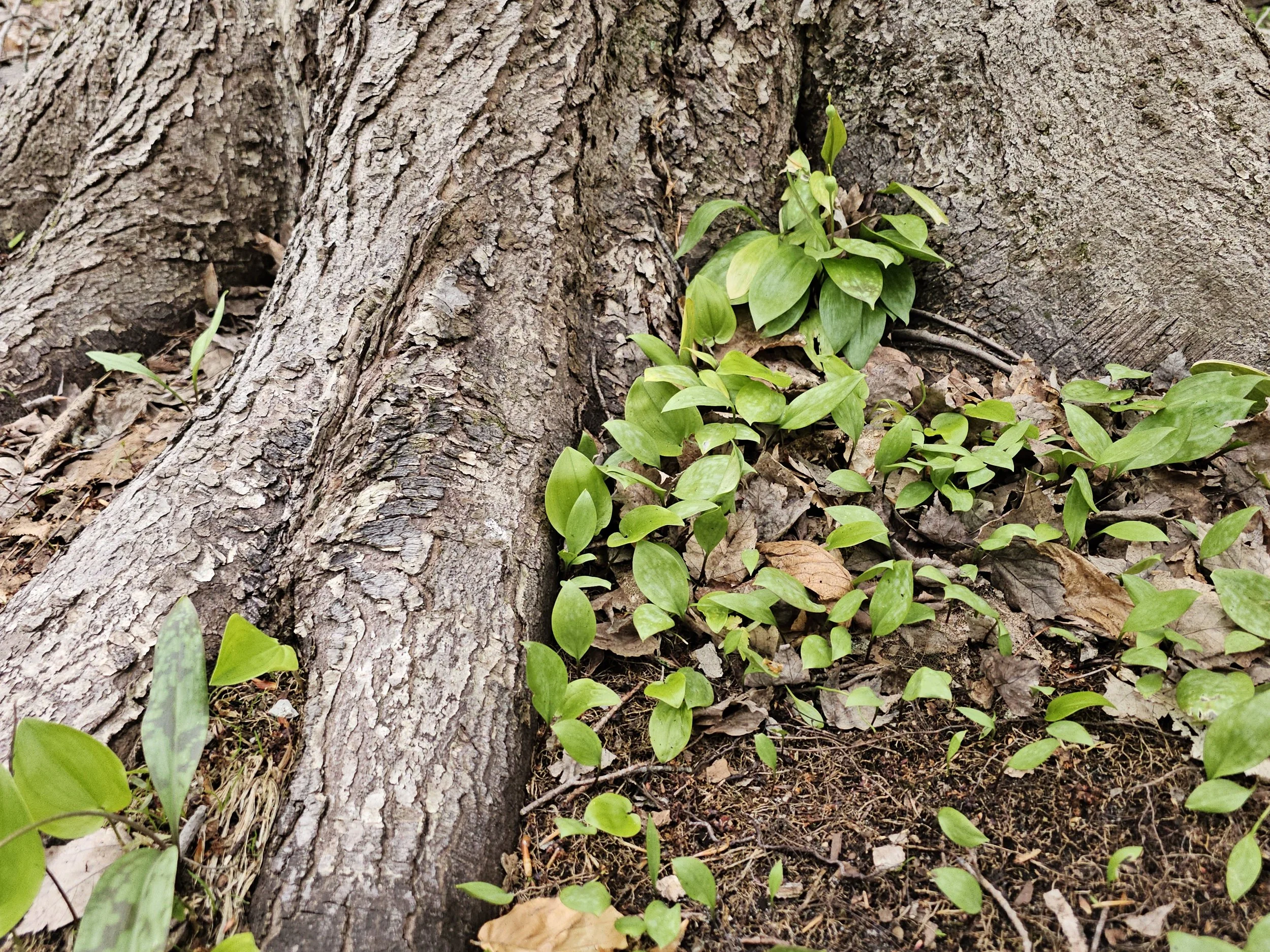
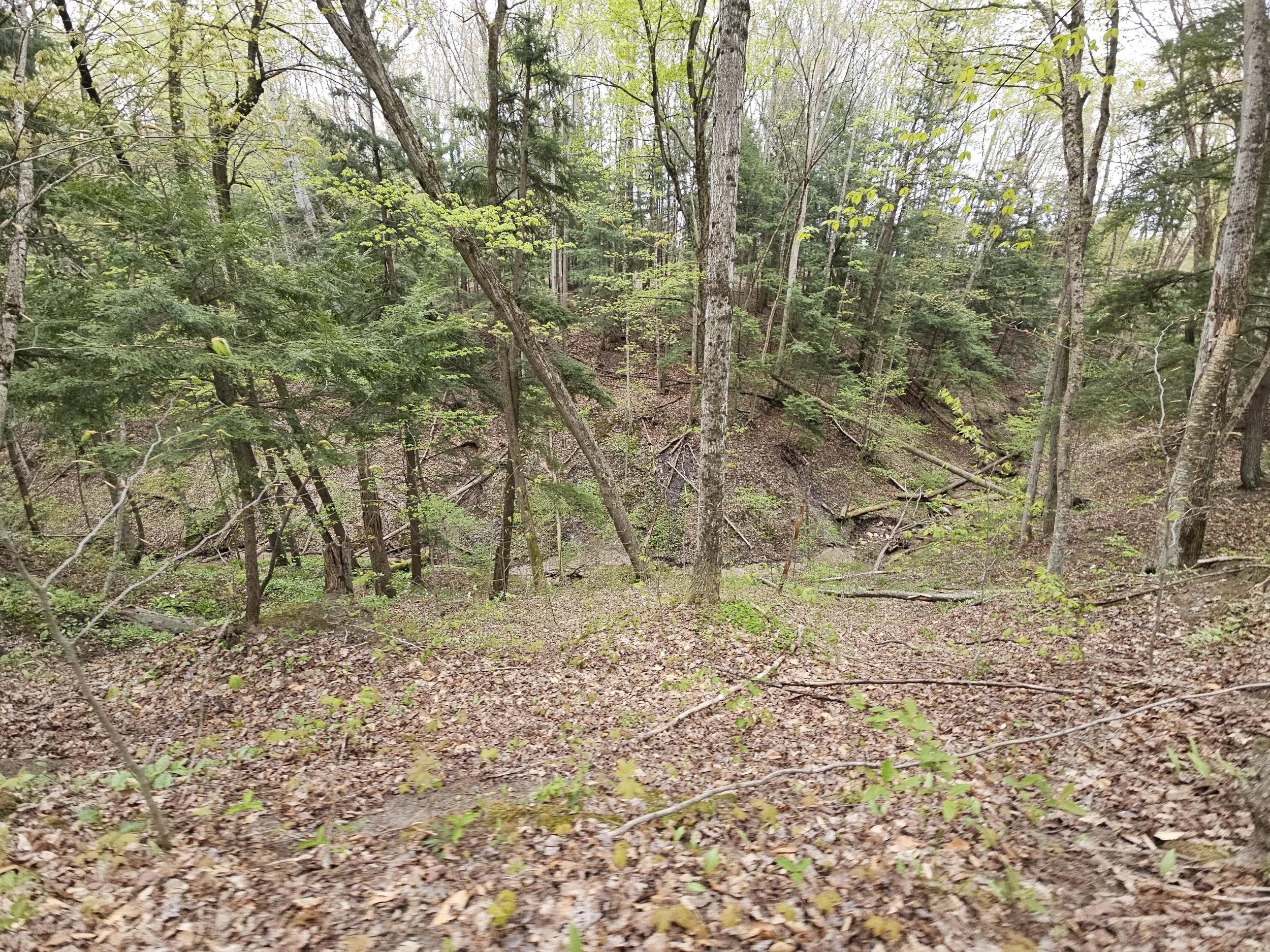
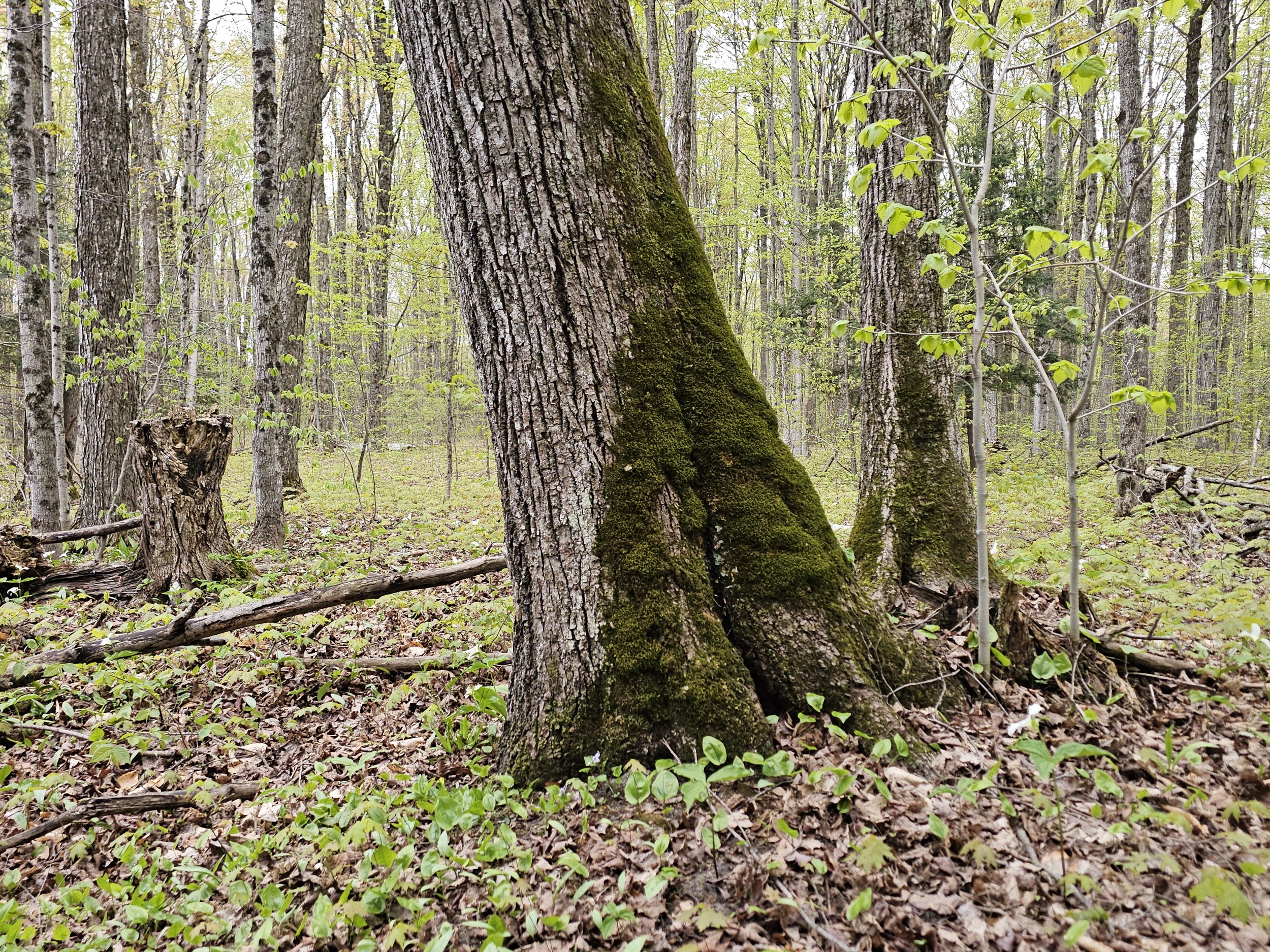
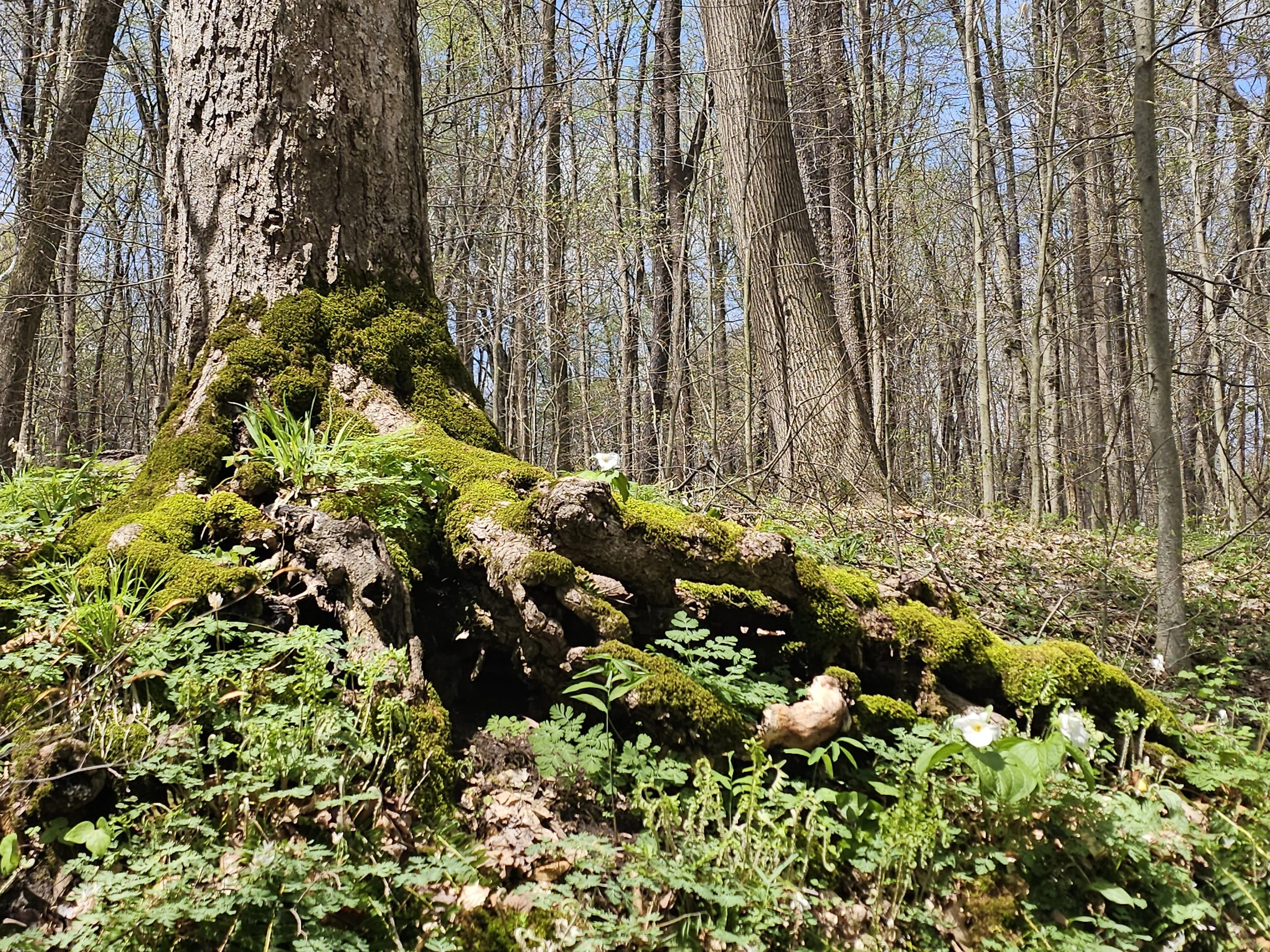
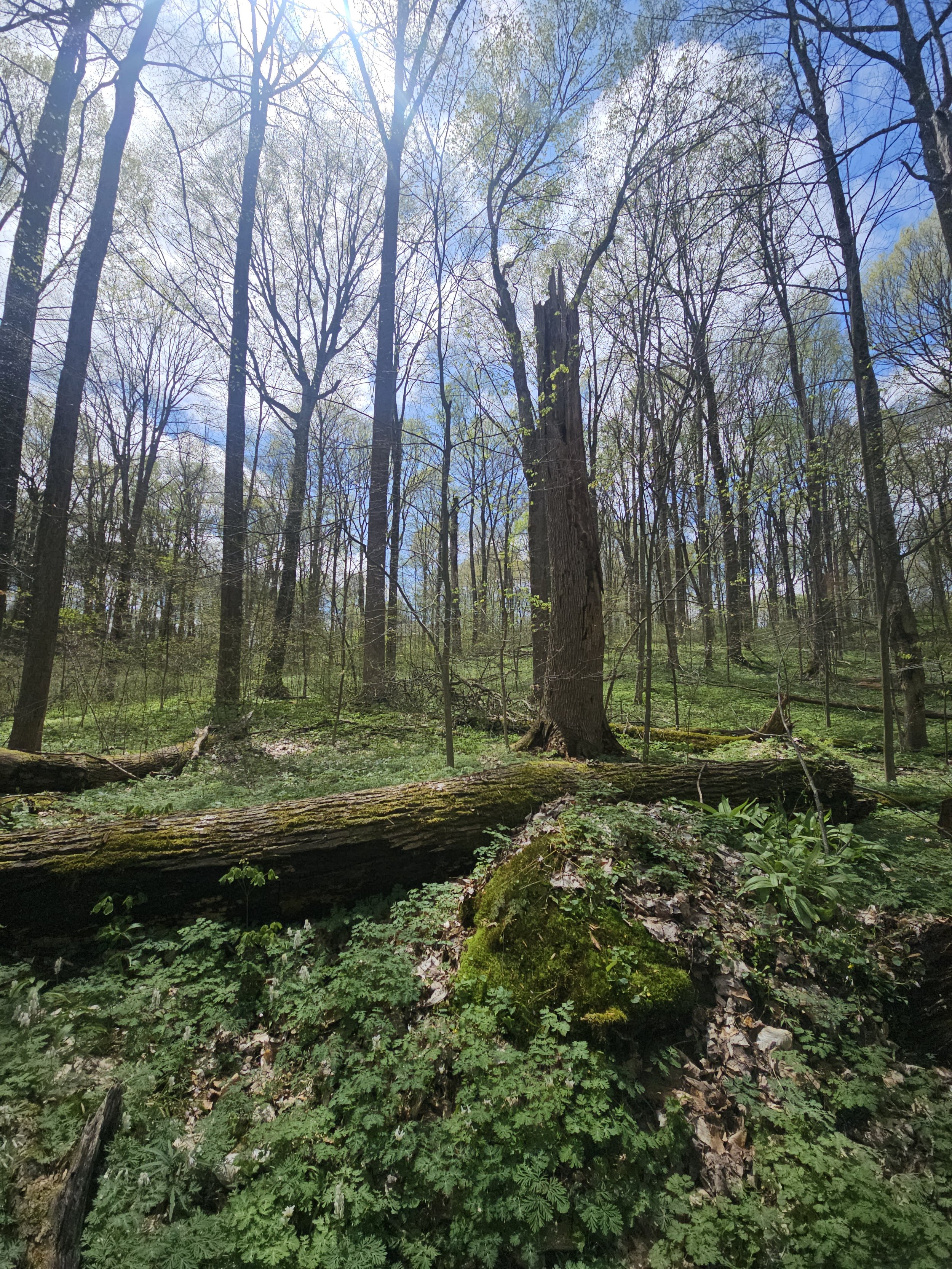
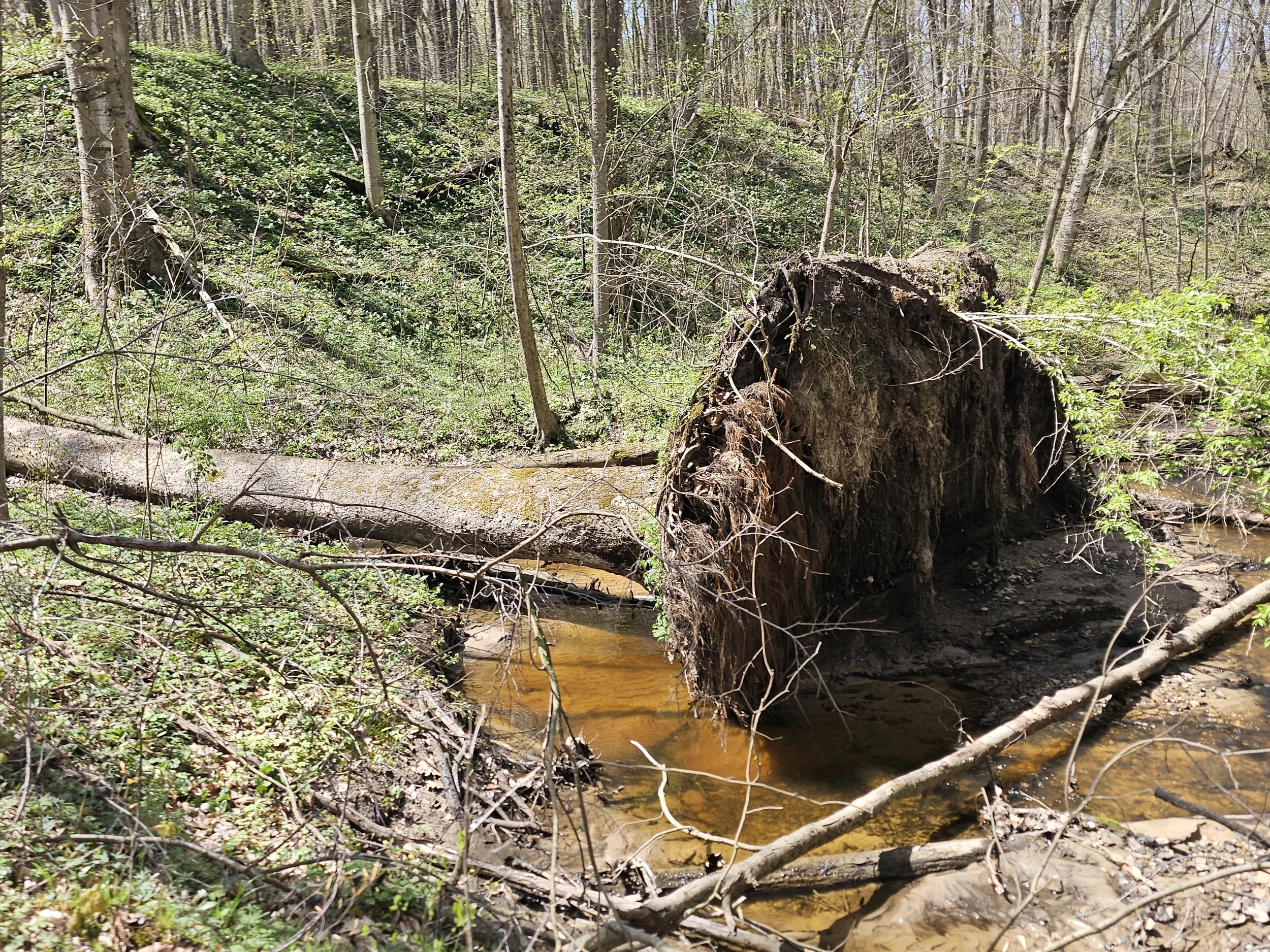
Photos 1-3: Lepard Nature Preserve
Photos 4-6: Misty Acres: The Borwell Preserve
Photos 7-9: Love Creek Nature Center
New York
Mianus River Gorge- Westchester County: Less than forty miles from Manhattan, the Mianus River Gorge is an oasis of rich woodland and old-growth forest, one hour’s drive from New York City. The Preserve was established in 1953 to protect an old-growth hemlock forest and was the first land project of The Nature Conservancy and the first National Natural History Landmark designated by the U.S. Department of the Interior. The wild Mianus River rushes through a steep gorge on its way to Long Island Sound. On its cool, moist banks, a magnificent cathedral of 350-year-old hemlocks stands more than 100 feet tall, and beyond the river, lush fern gullies surround the lovely Havemeyer Falls.
The Vassar Forest- Vassar College- Dutchess County: The Vassar Forest is a 222-acre forest corridor within Vassar College that is being left to natural processes. The Preserve is a rich, living laboratory for students and faculty at Vassar, with a network of marked trails that are open to the public and a variety of environmental outreach and educational programs offered to the local community. The Vassar Forest contains both wetland and upland forest communities. Wetland forest types include floodplain forests, Red Maple Hardwood Swamps, and Red Maple Swamp White Oak Swamps. Upland forest communities include beech maple mesic, Appalachian oak hickory, successional northern hardwood, and successional southern hardwood forests.
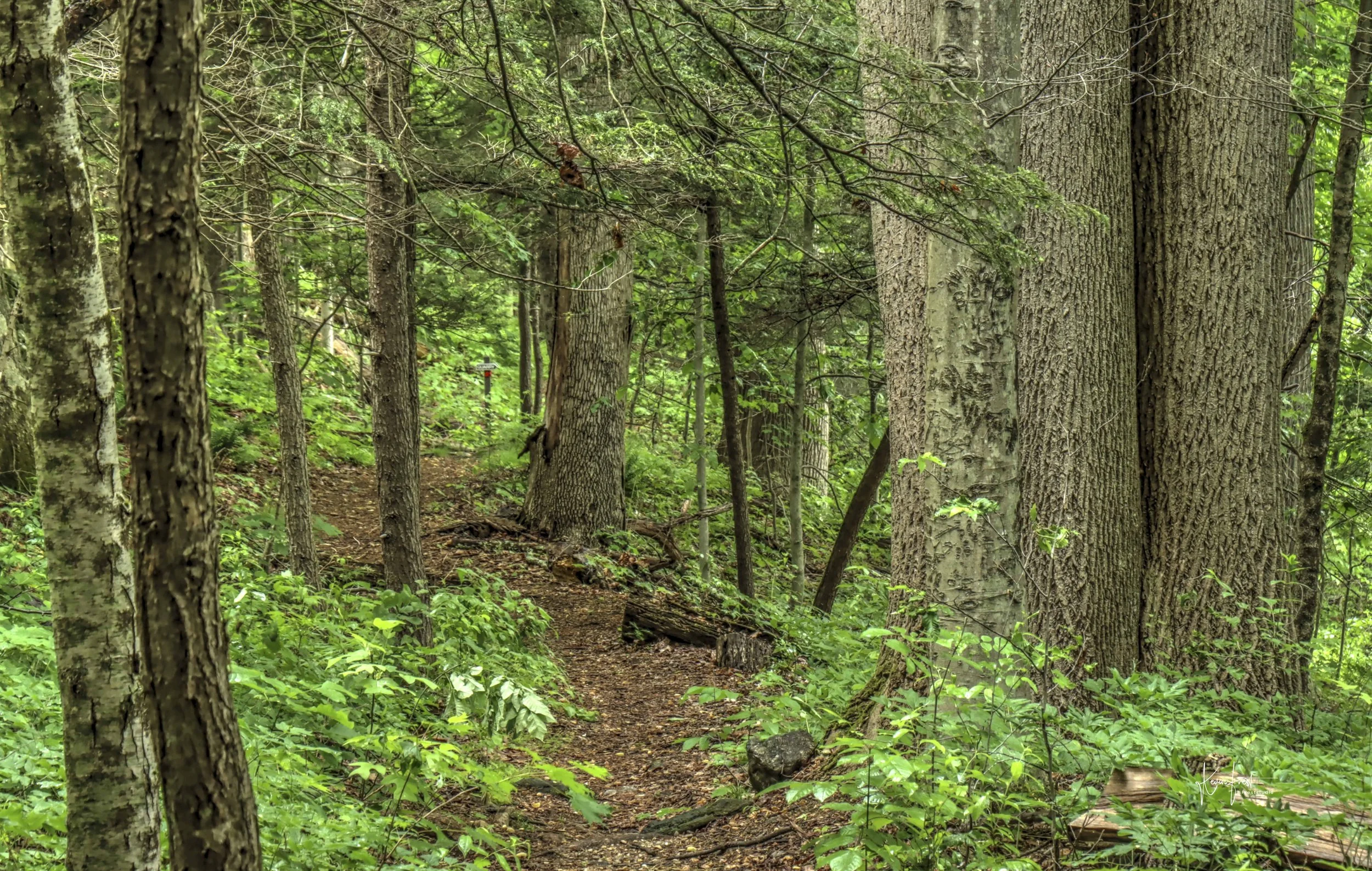
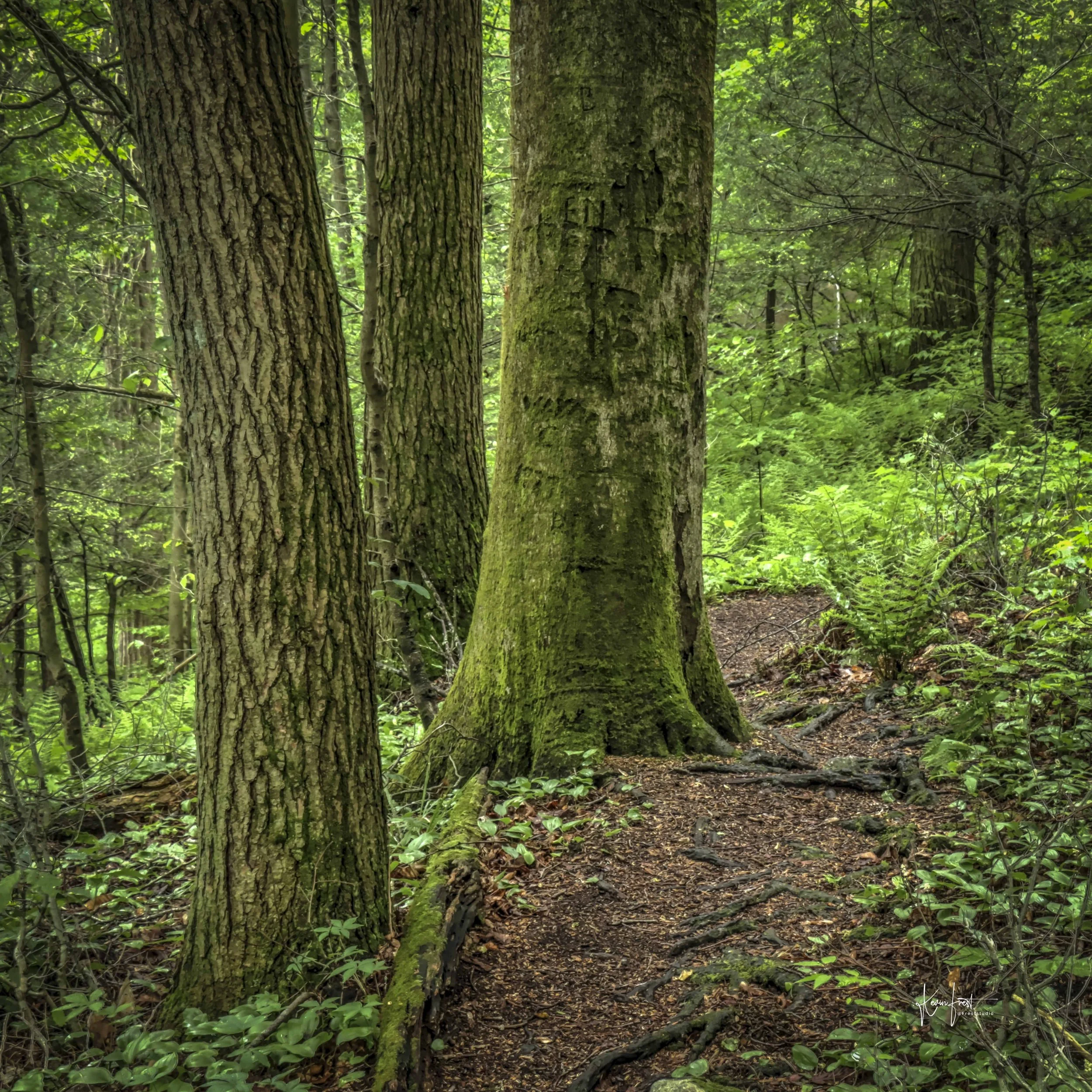
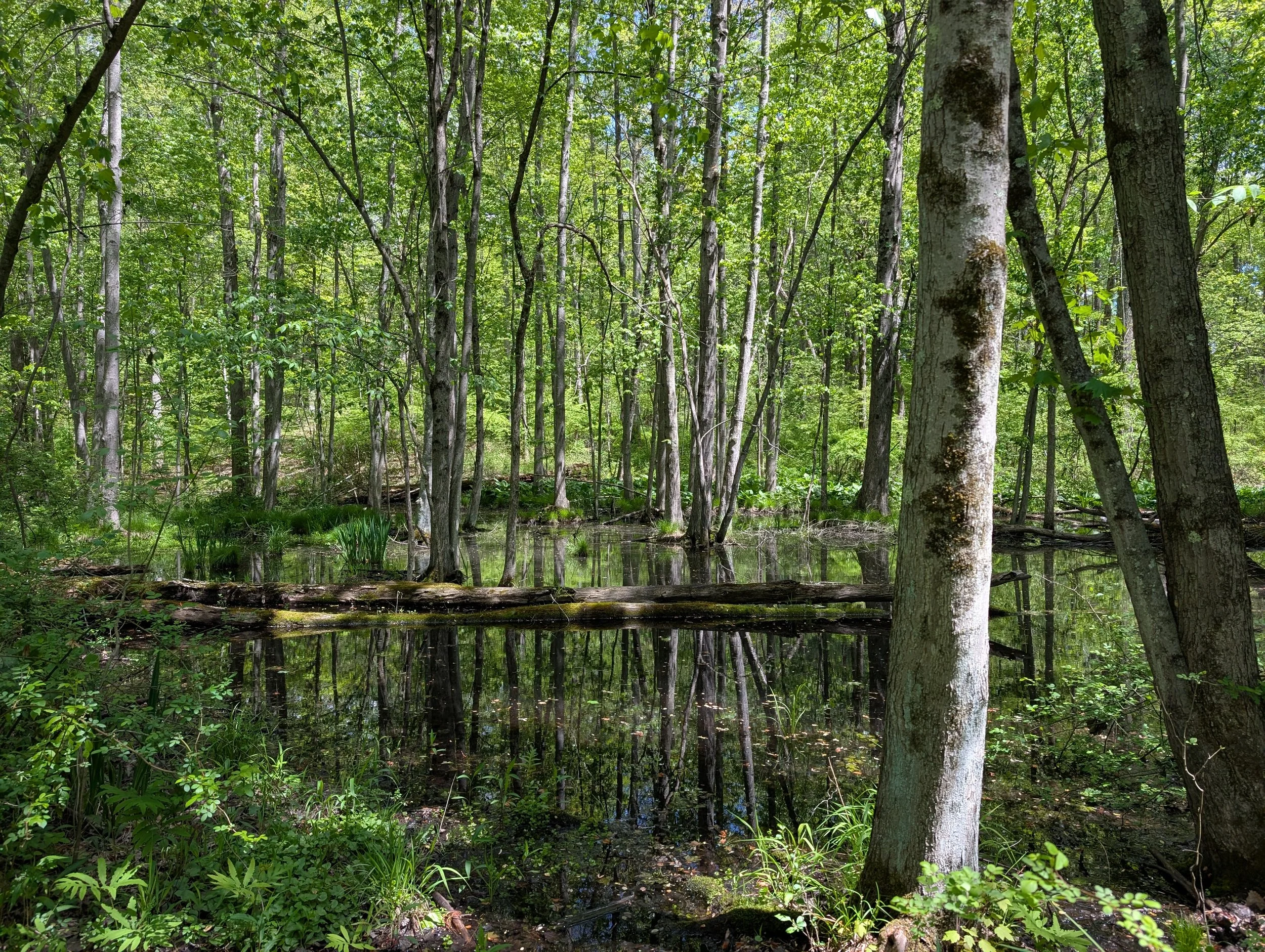
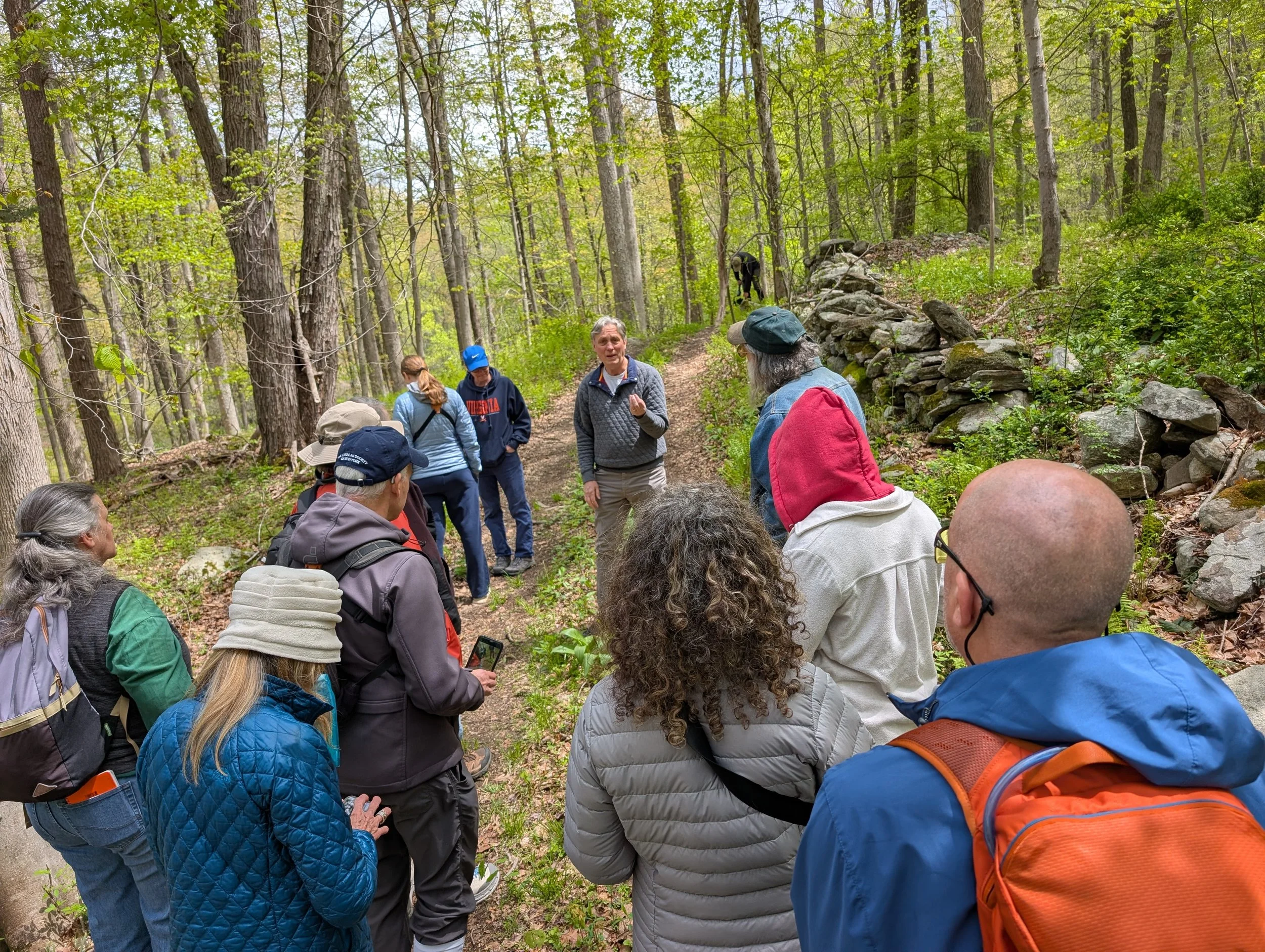
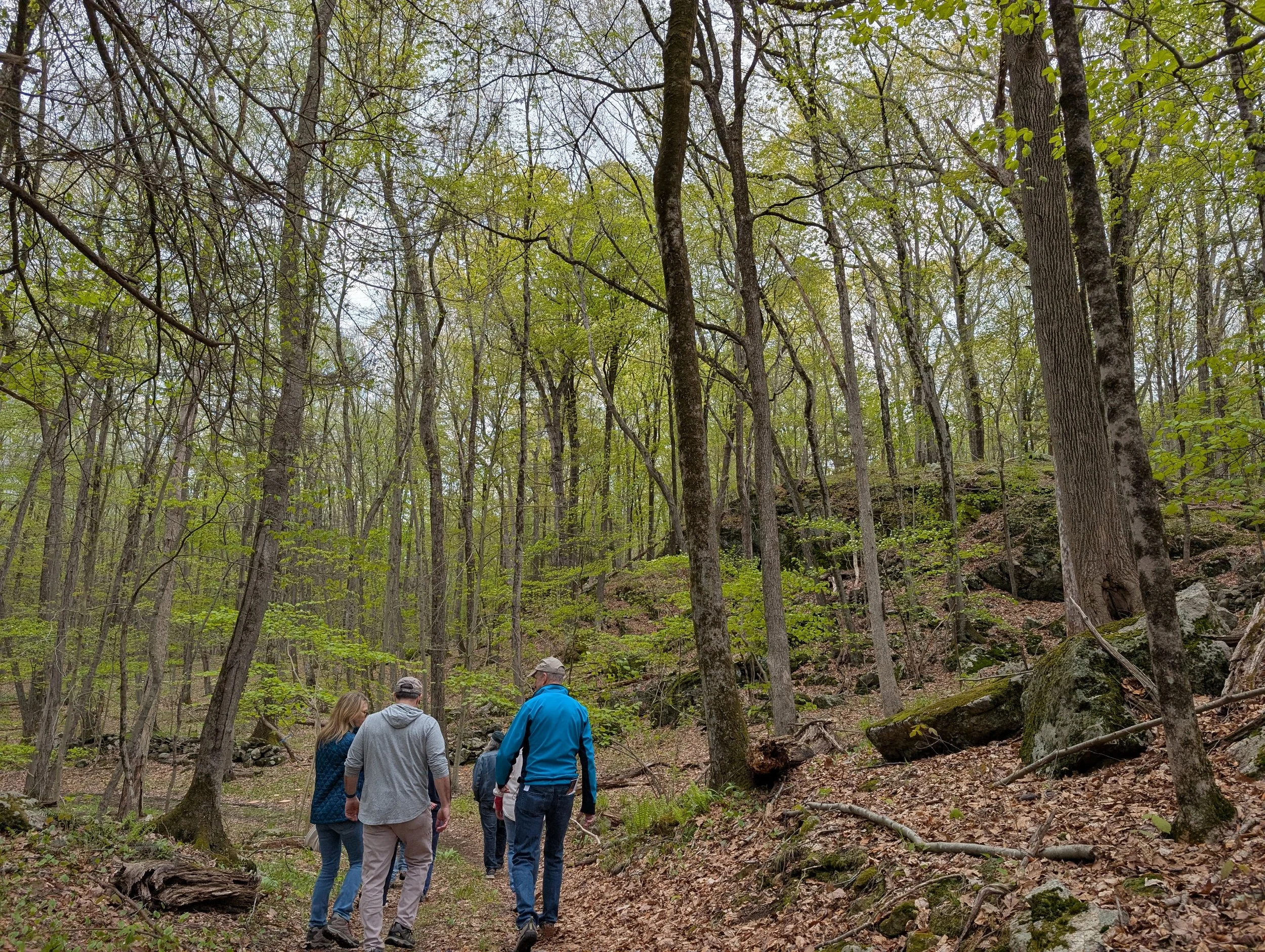
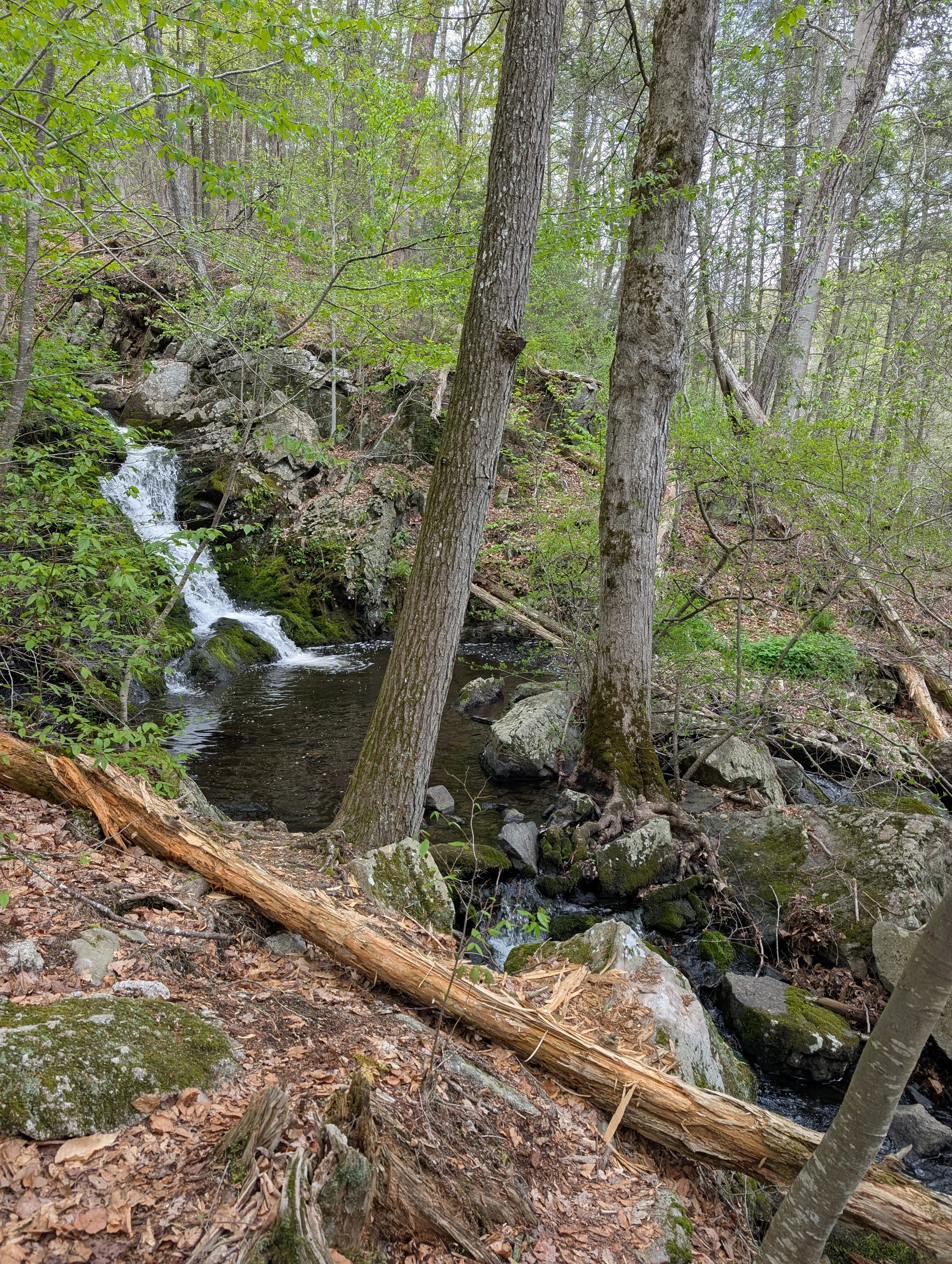
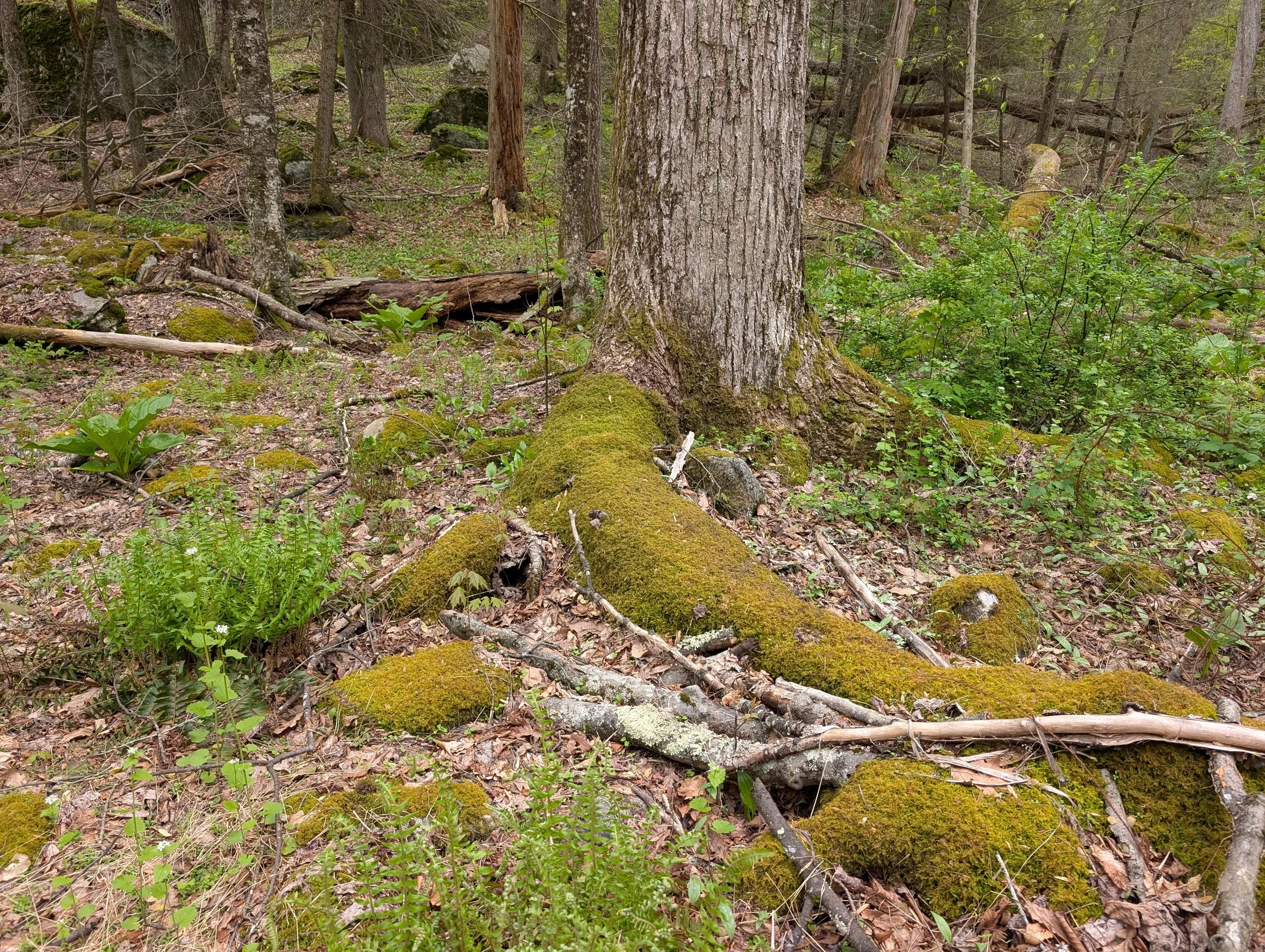
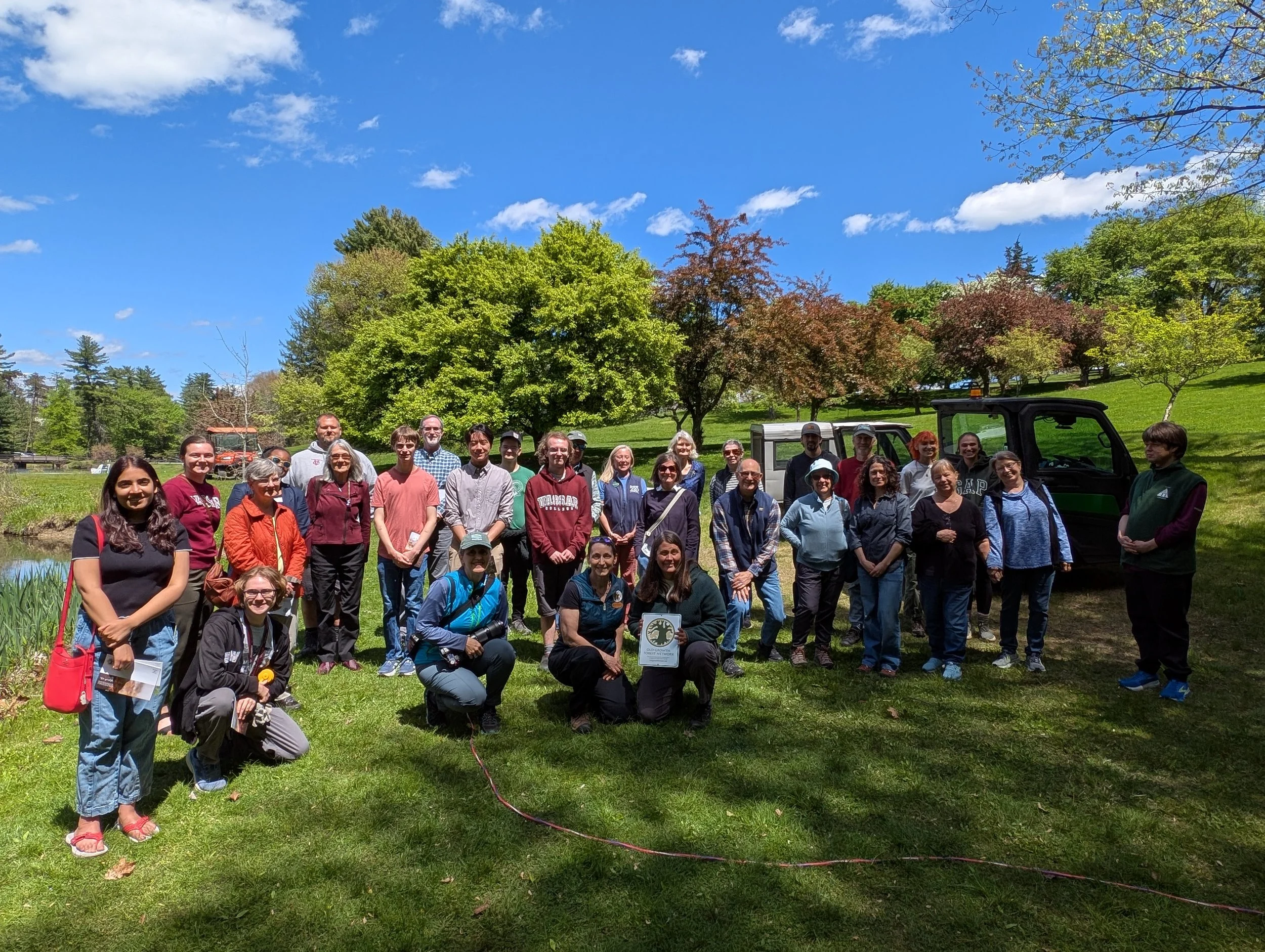
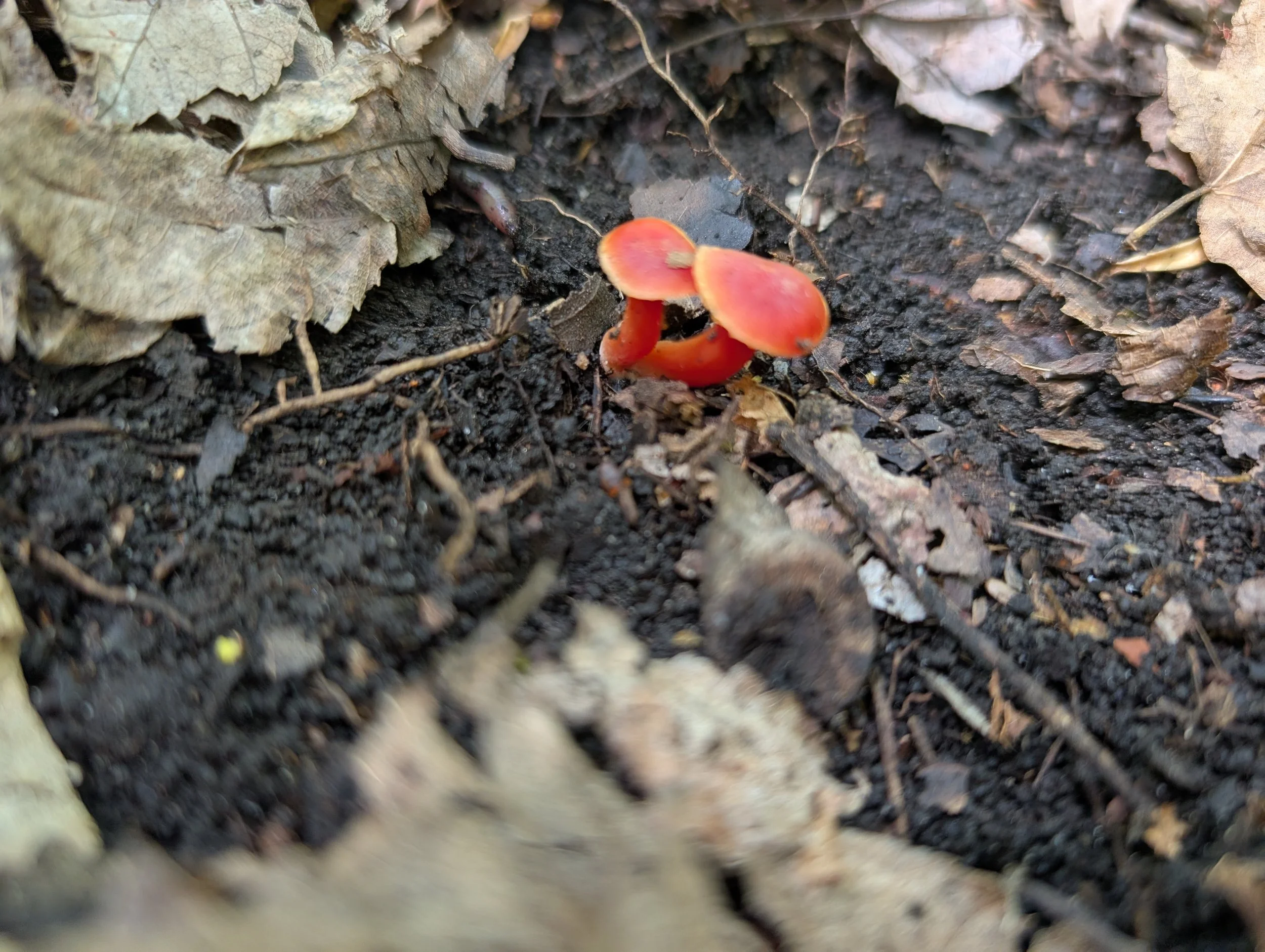
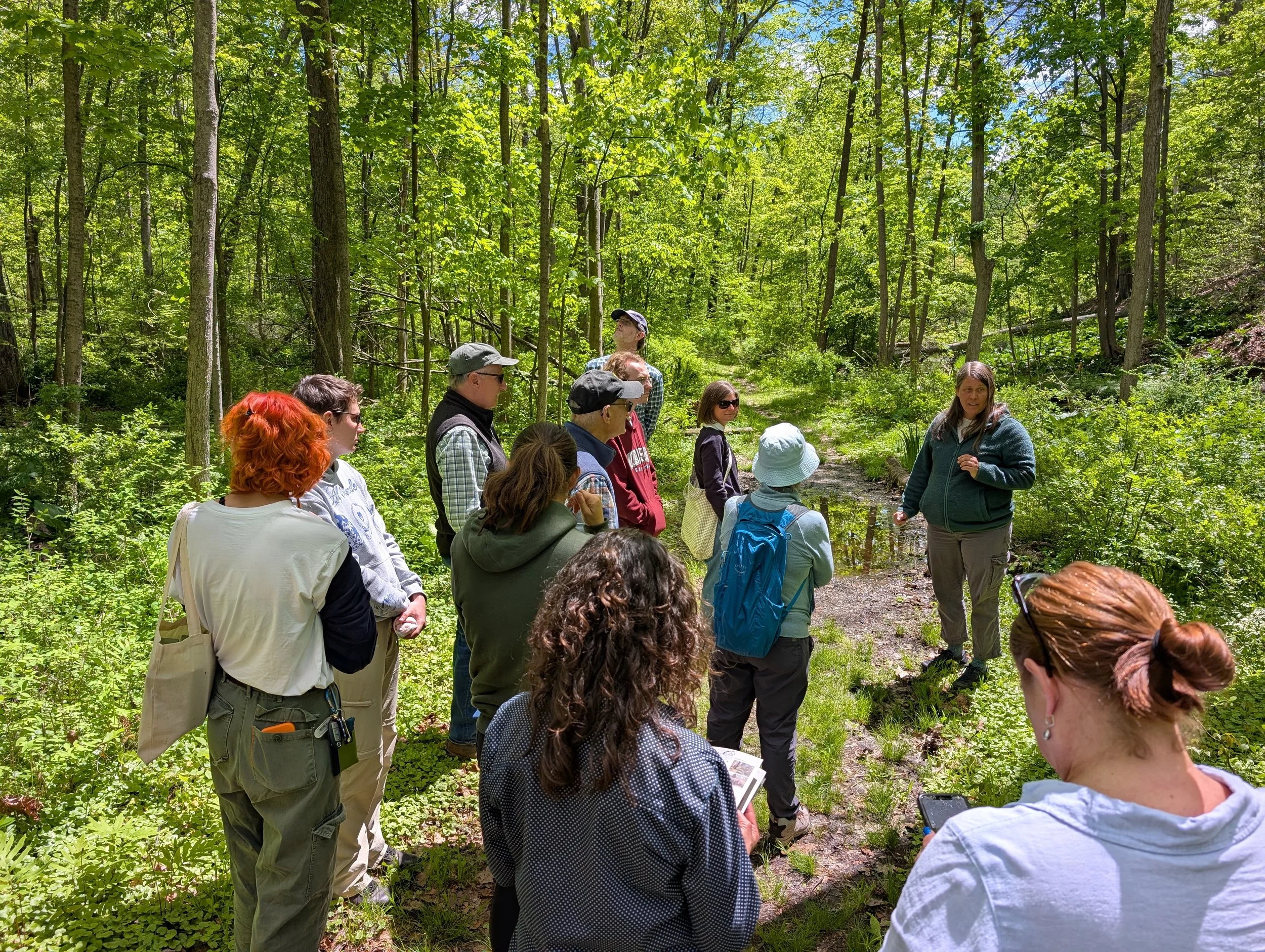
Photos 1-4: Mianus River Gorge
Photos 5-8: The Vassar Forest- Vassar College
*Mianus River Gorge photos courtesy of Kevin Frest.
Pennsylvania
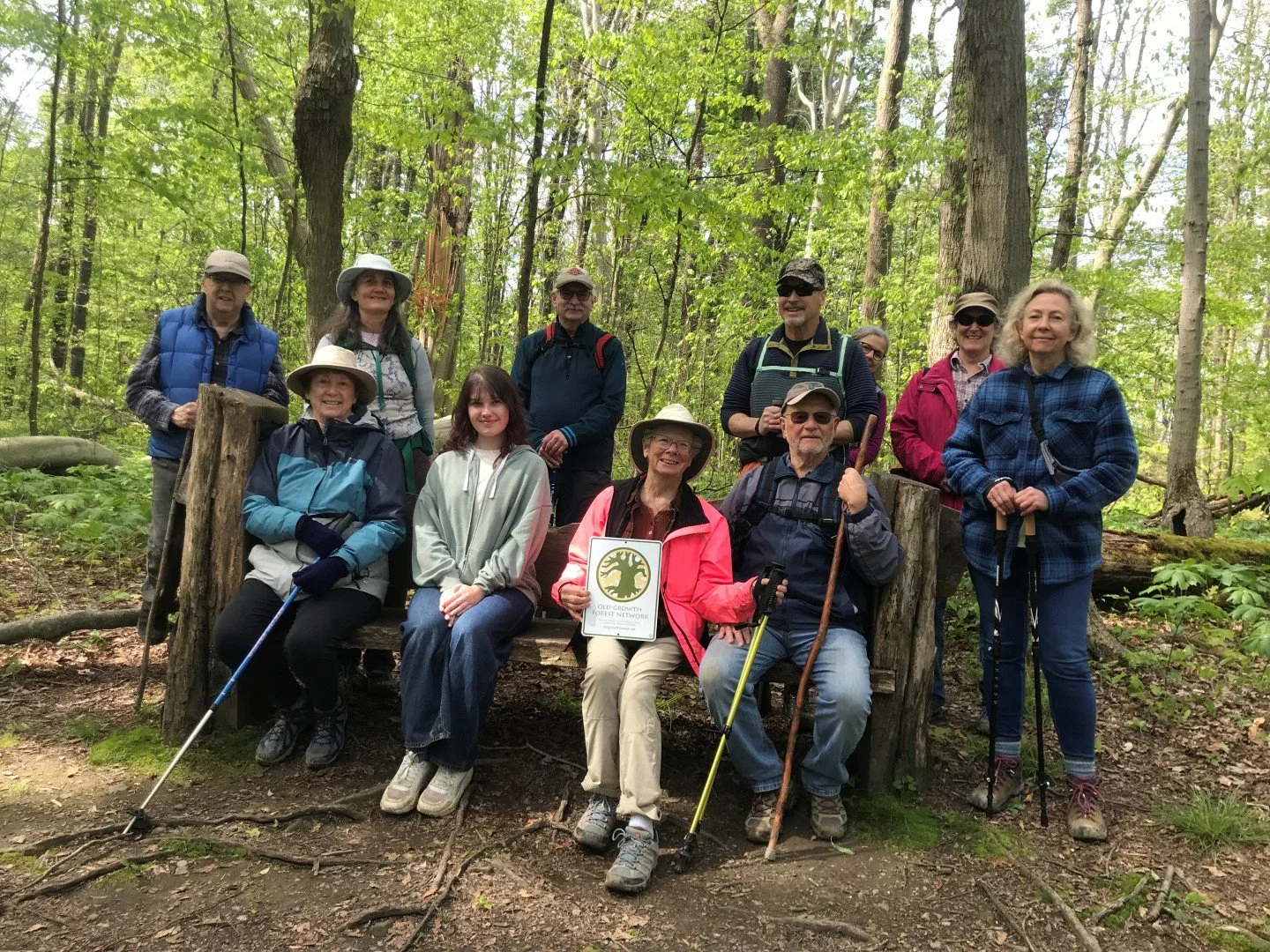
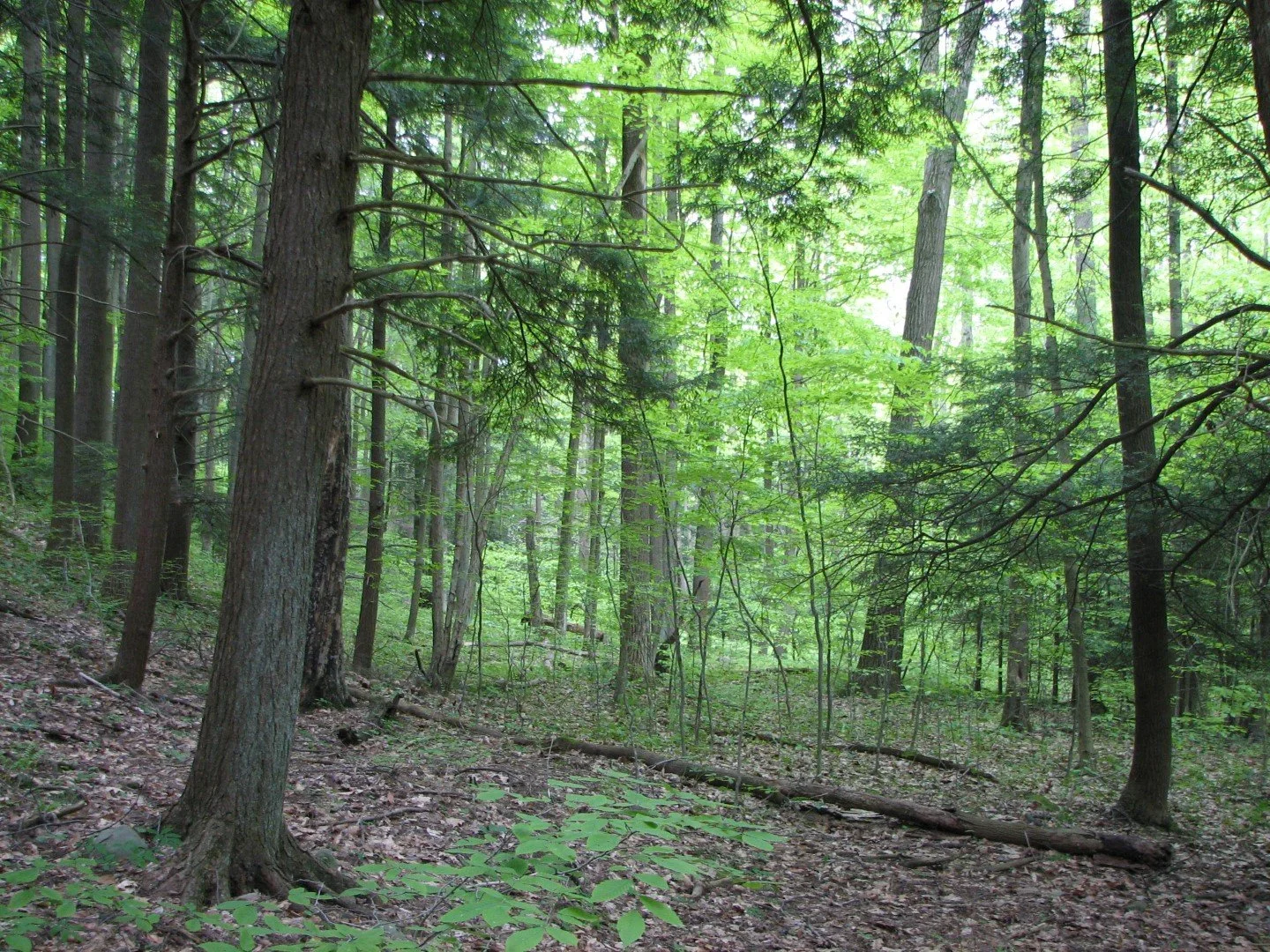
Wolf Creek Narrows Natural Area- Butler County: Wolf Creek Narrows Natural Area is particularly known for its display of spring wildflowers. An active floodplain, mature northern hardwood forest, and scenic cliffs make this property one of Western Pennsylvania Conservancy’s most popular. The steep, narrow gorge of Wolf Creek Narrows originally formed when the ceiling of an ice-age cave eroded and collapsed due to runoff from the melting glacier. The site now consists of a high-quality stream meandering through 50-foot cliffs. These natural processes, including annual flooding and ice scouring, as well as limited human activities, have resulted in diverse natural communities.
*Photos courtesy of Western Pennsylvania Conservancy.
Wisconsin
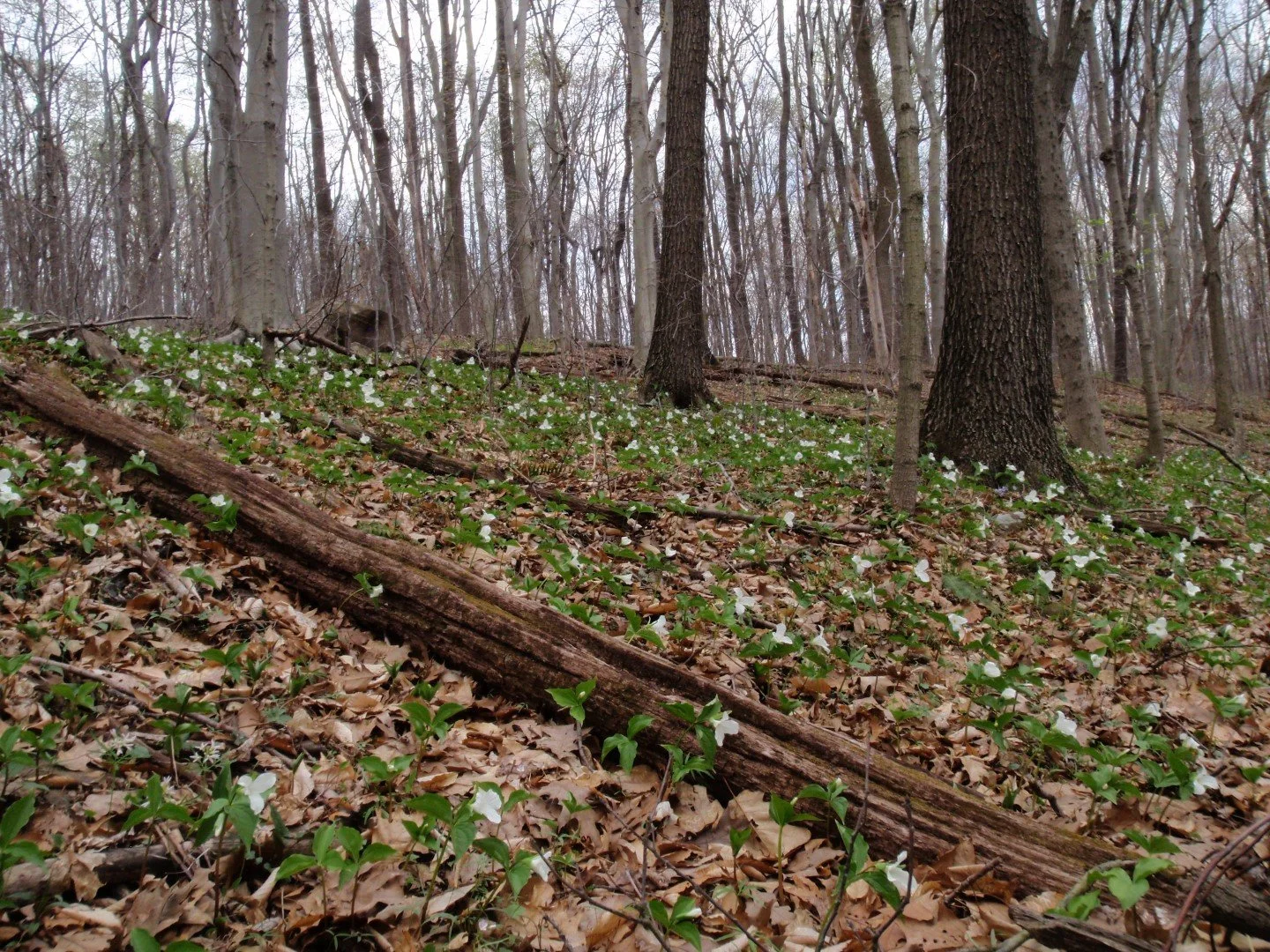
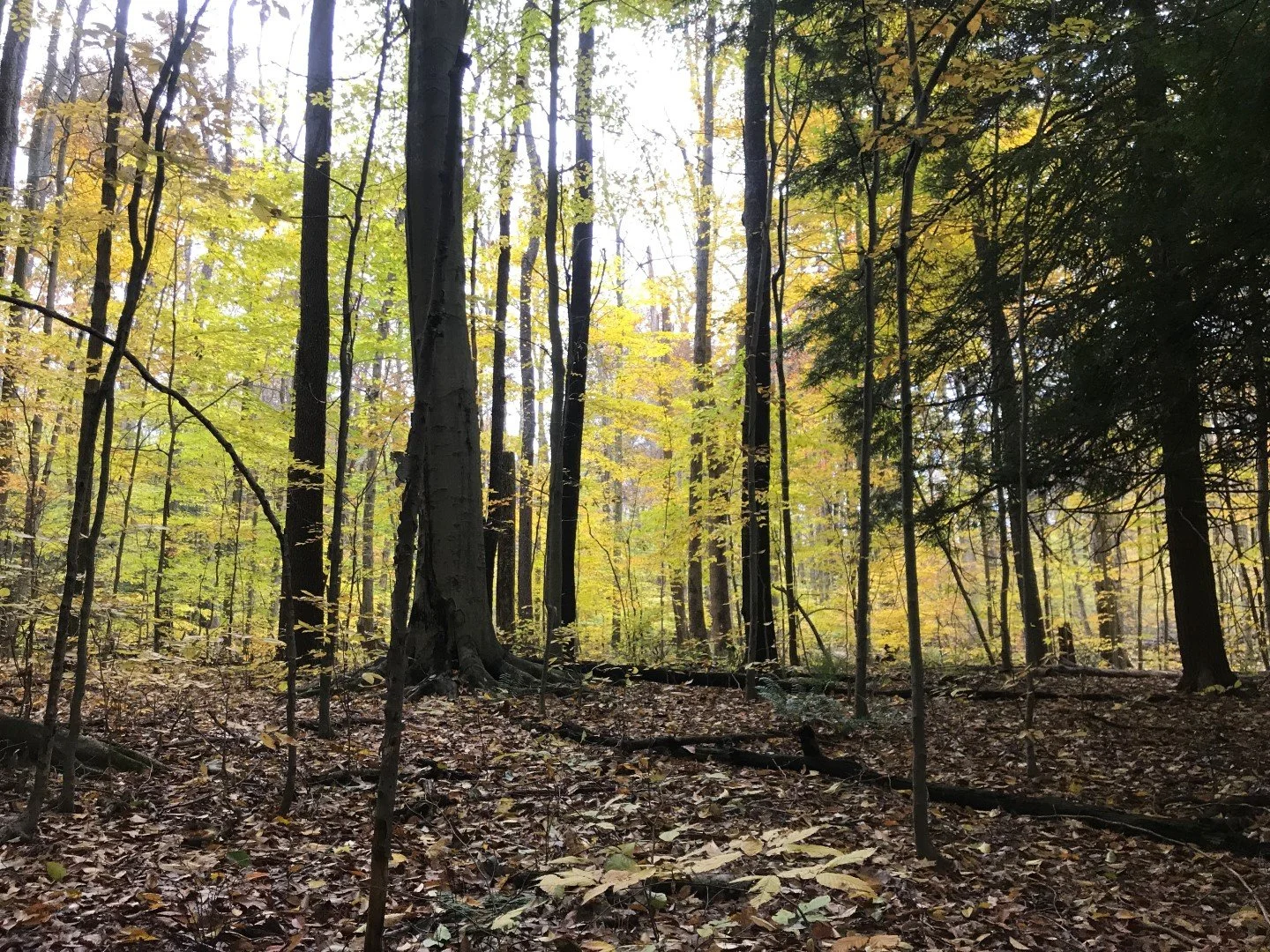
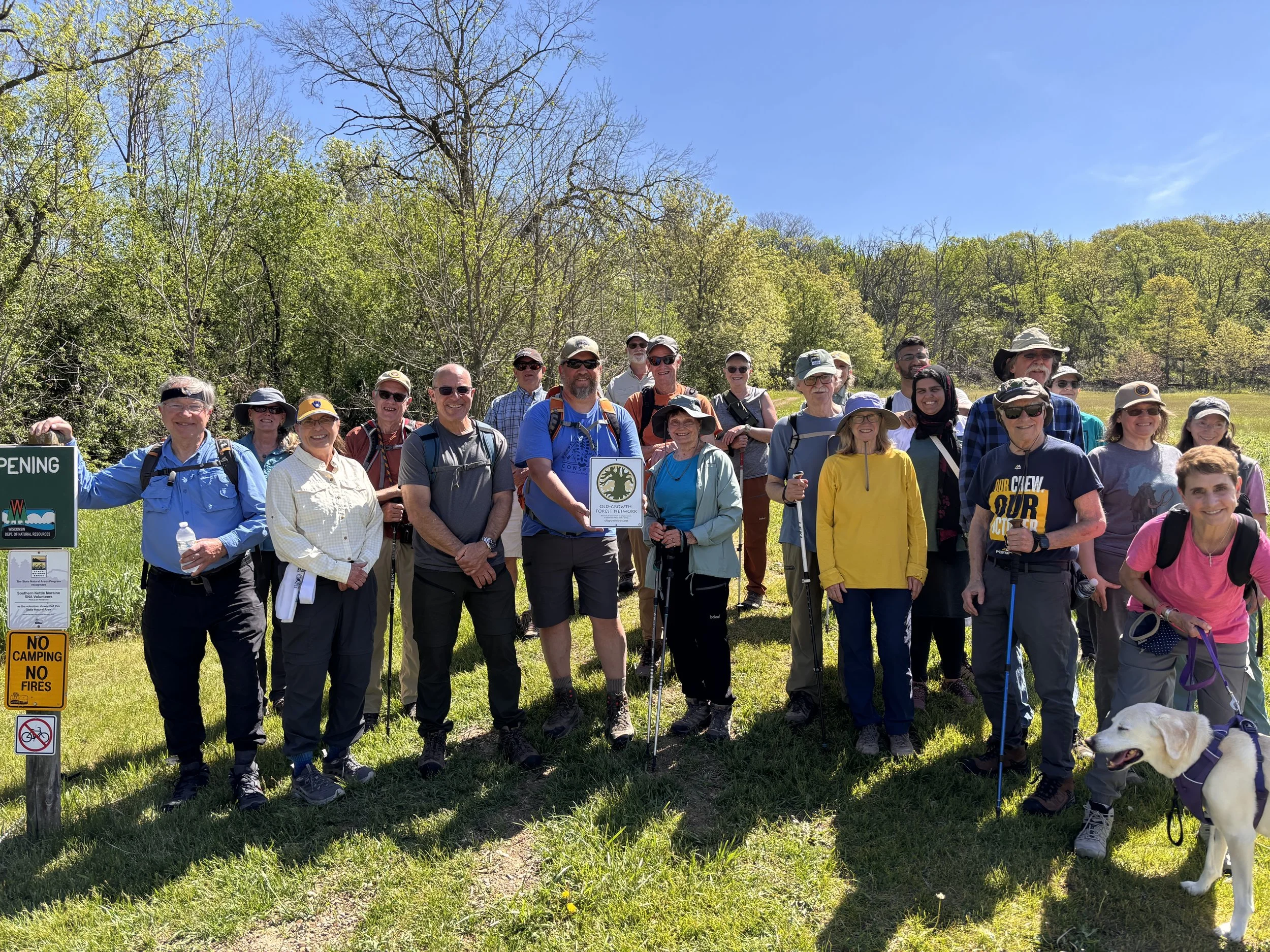
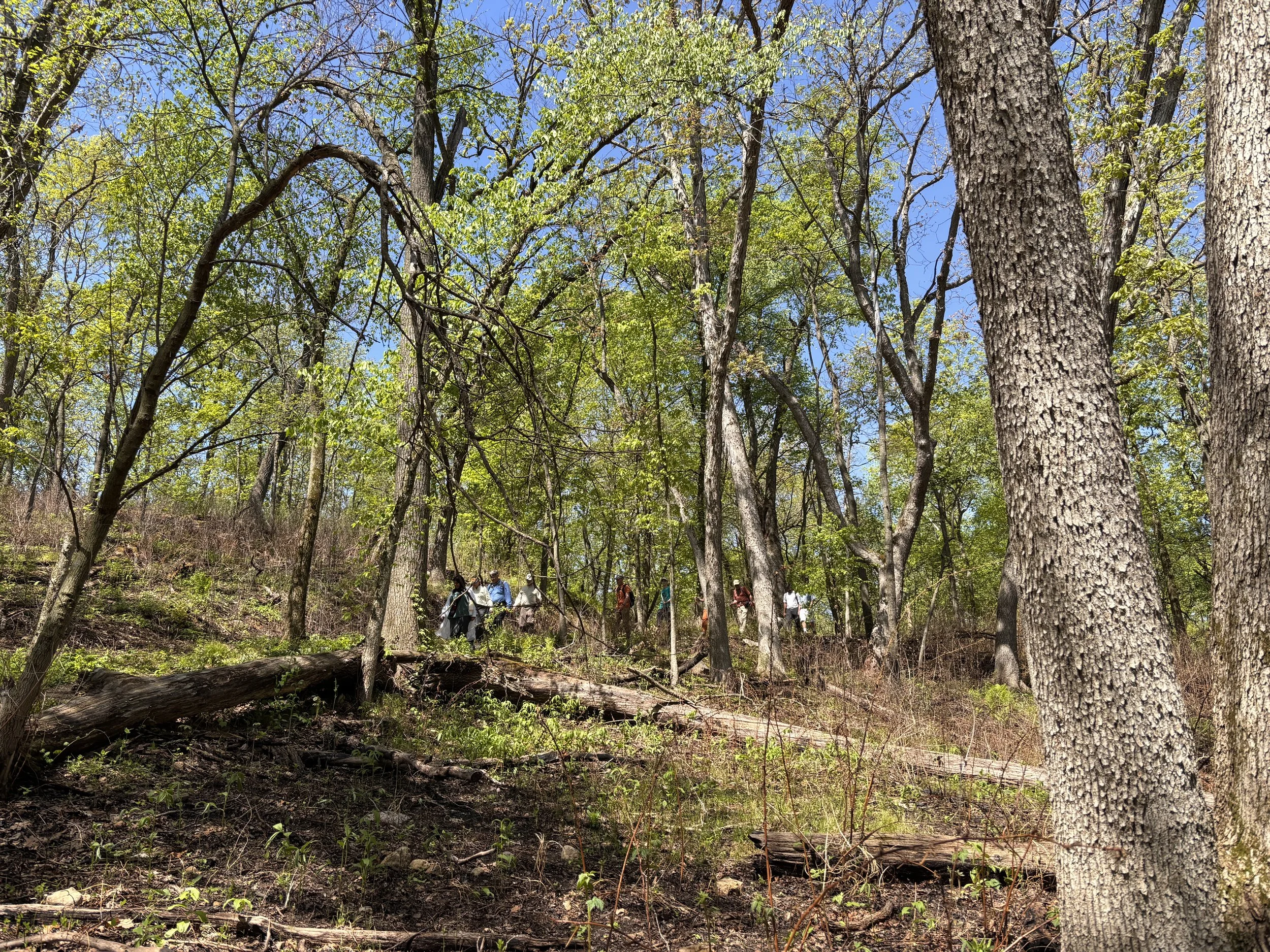
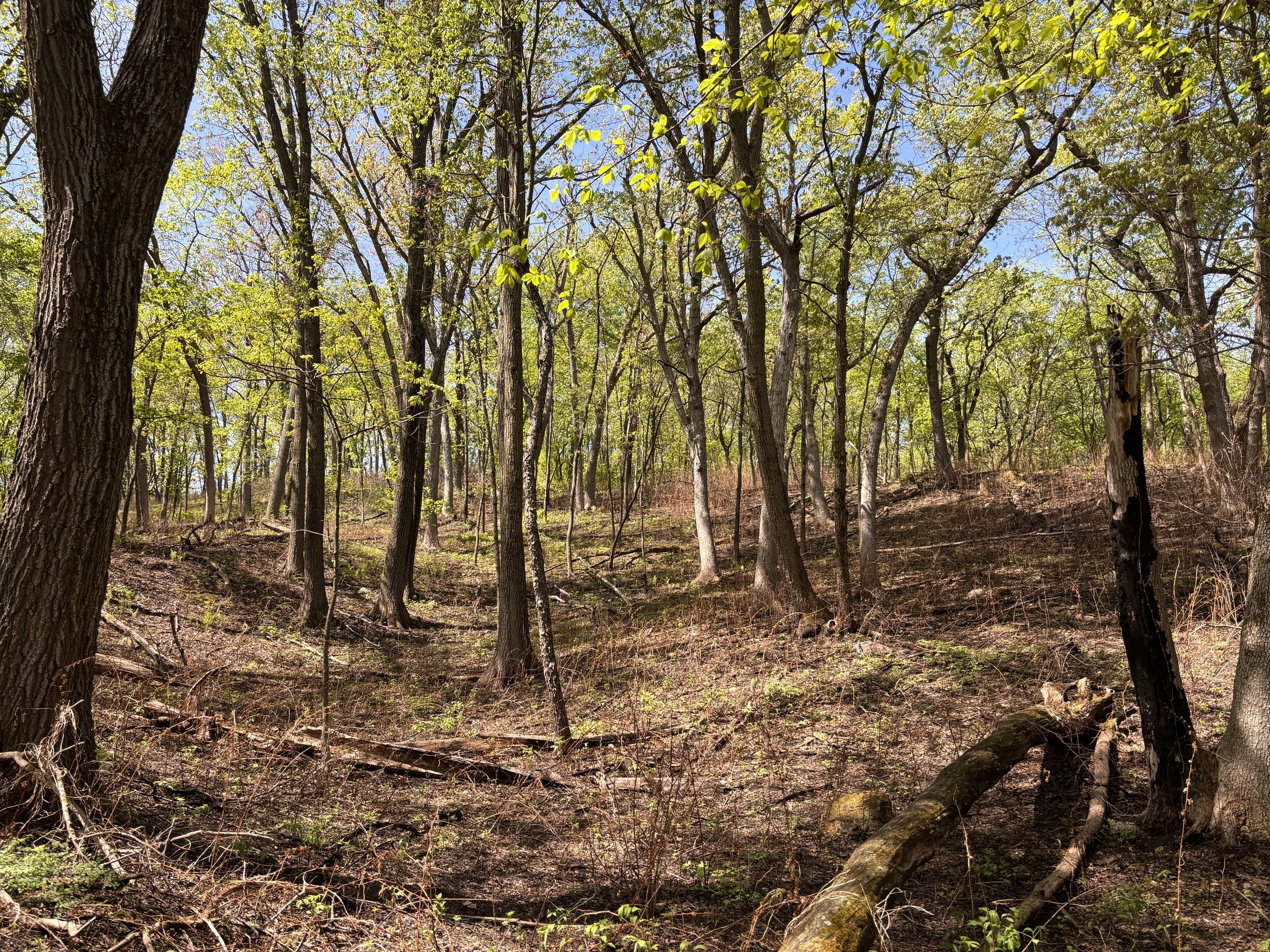
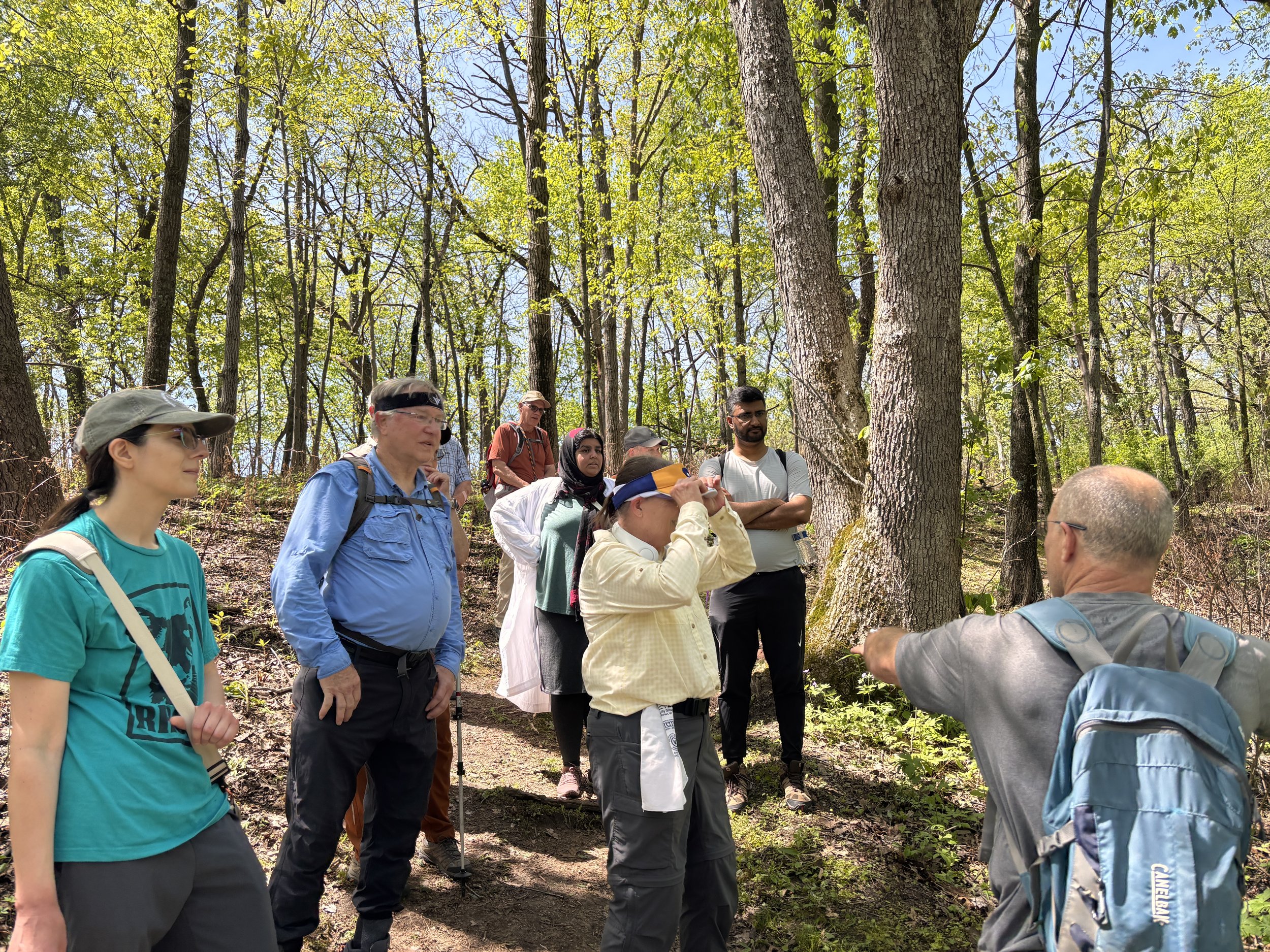
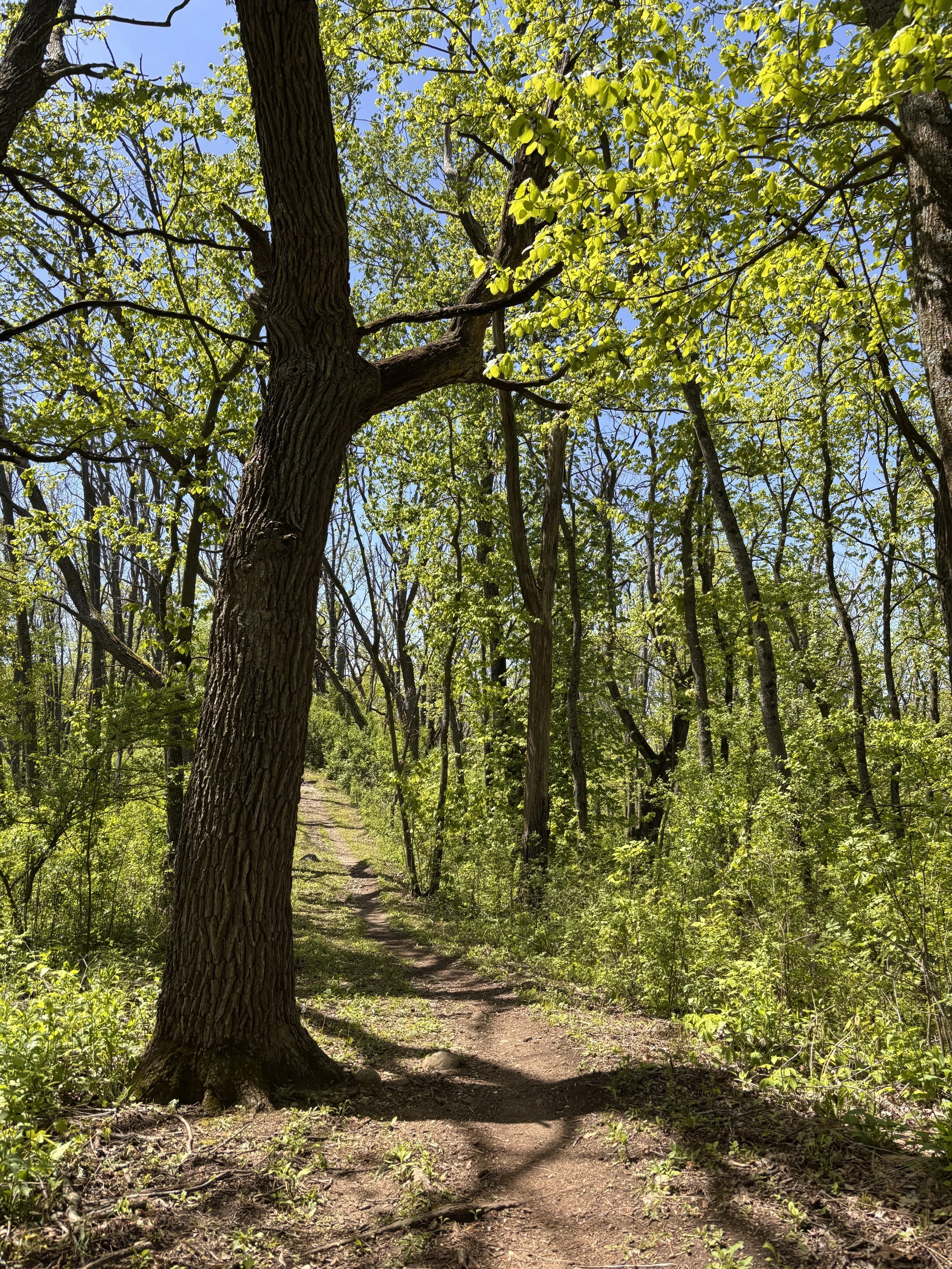
Kettle Moraine Oak Opening State Natural Area- Jefferson County: The 659-acre Kettle Moraine Oak Opening State Natural Area lies in the heart of the jumbled and rugged landscape of the interlobate moraine, an area of glacially-formed kettle holes, kames (conical mounds), and gravelly hills and ridges that make up the 22,000 acre Southern Unit of the Kettle Moraine State Forest. The natural area is a mixture of oak opening and oak woodland dominated by open-grown bur and black oaks, including more than 500 acres of oak 120-140 years old. Forbs include pasqueflower, silky aster, grooved yellow flax, and rough blazing star.
South Carolina
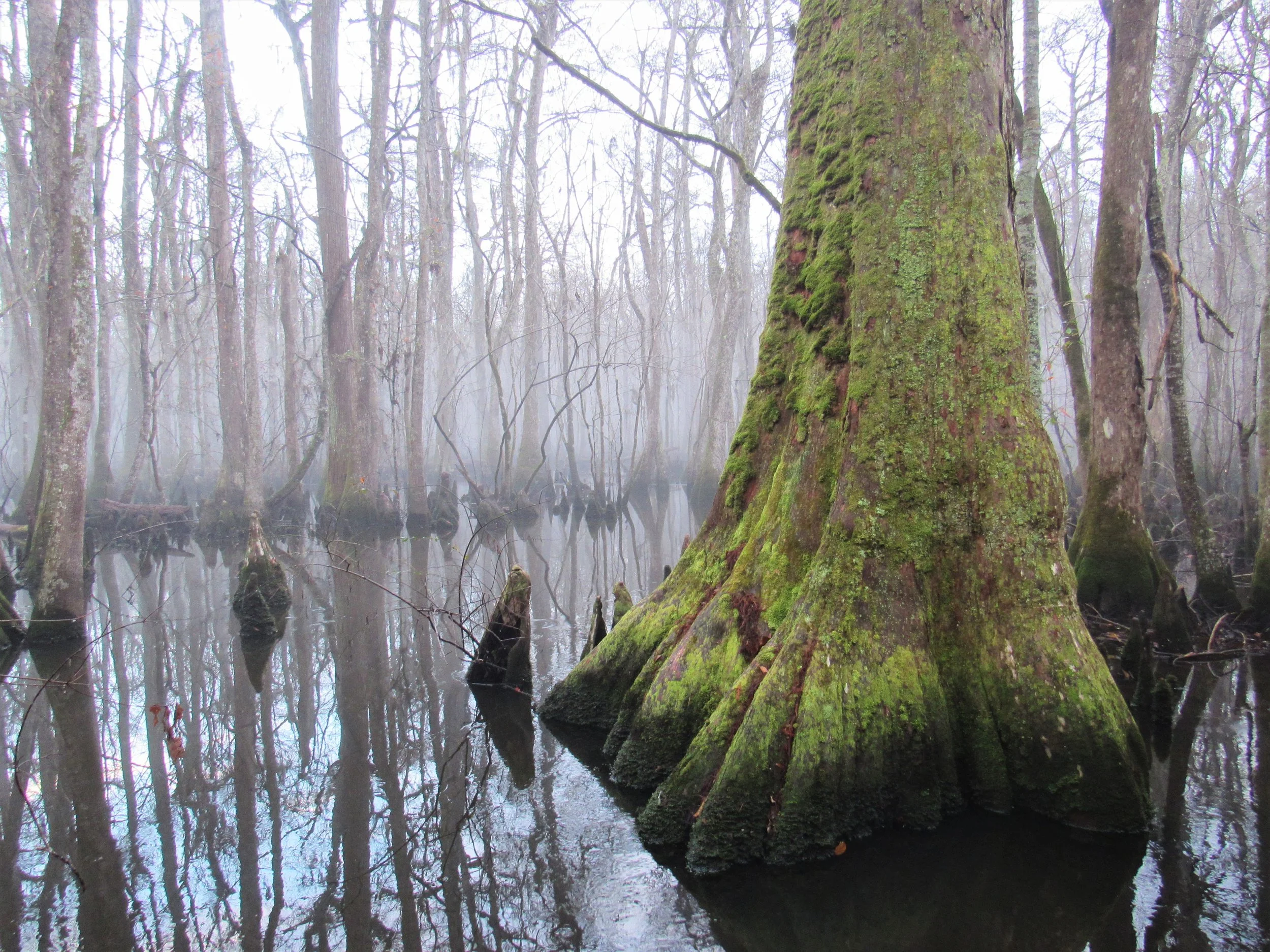
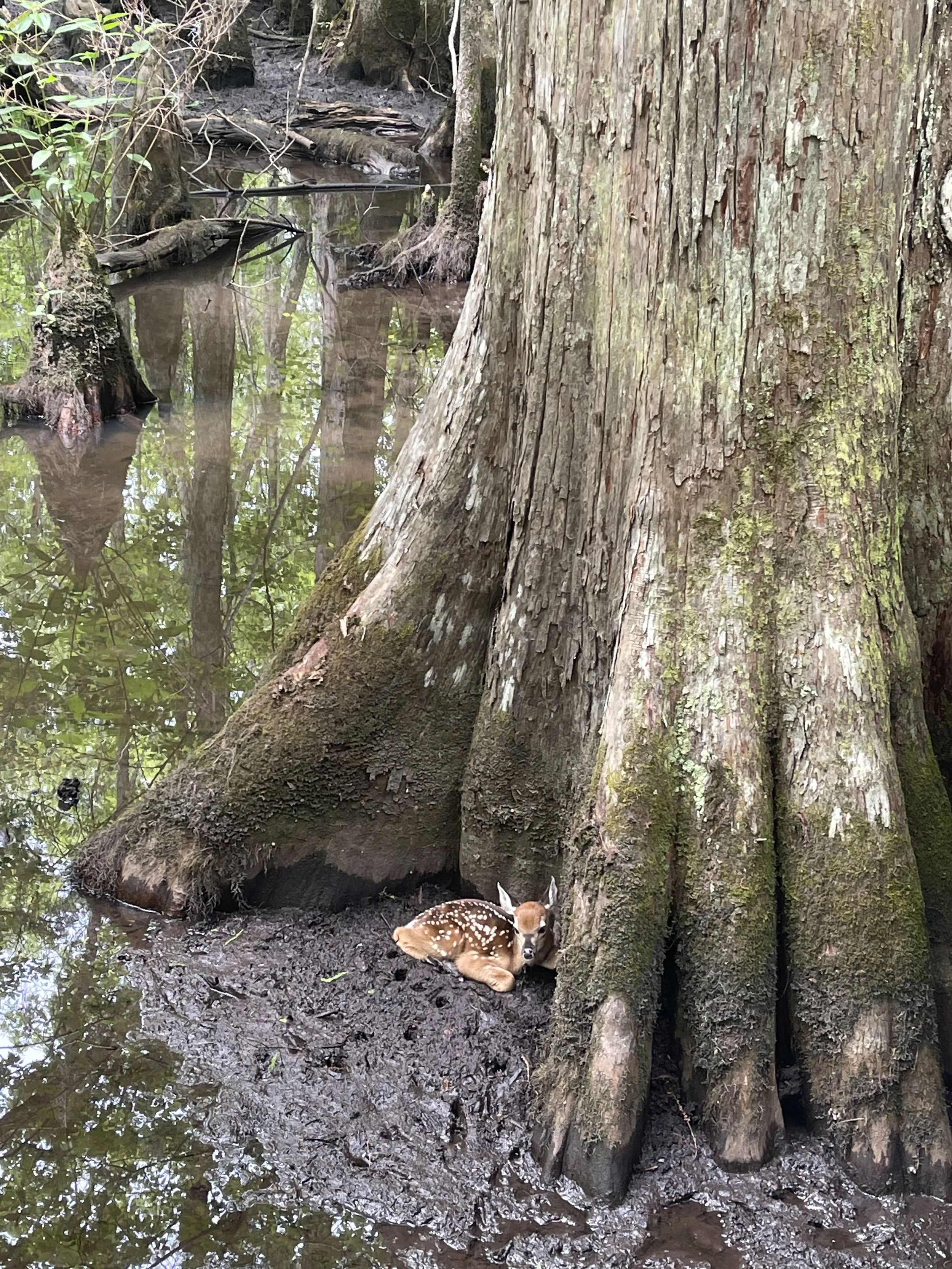
St. Phillips Island- Beaufort County and Audubon’s Francis Beidler Forest Center and Sanctuary- Dorchester County: Check out our blog post, “Old-Growth Forests of the Southeast May Be Closer Than You Think!”, for an in-depth look at our spring celebrations in South Carolina!
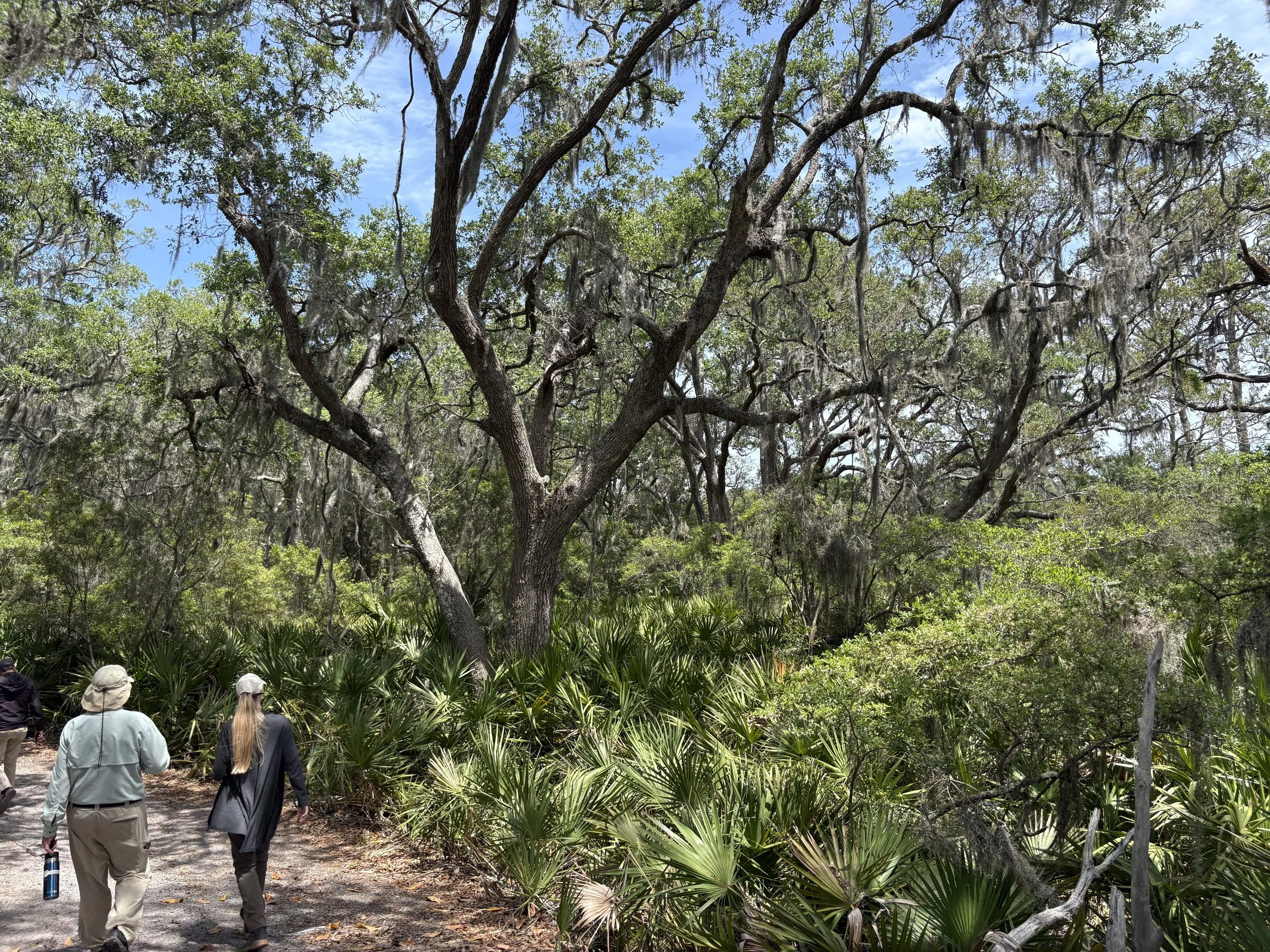
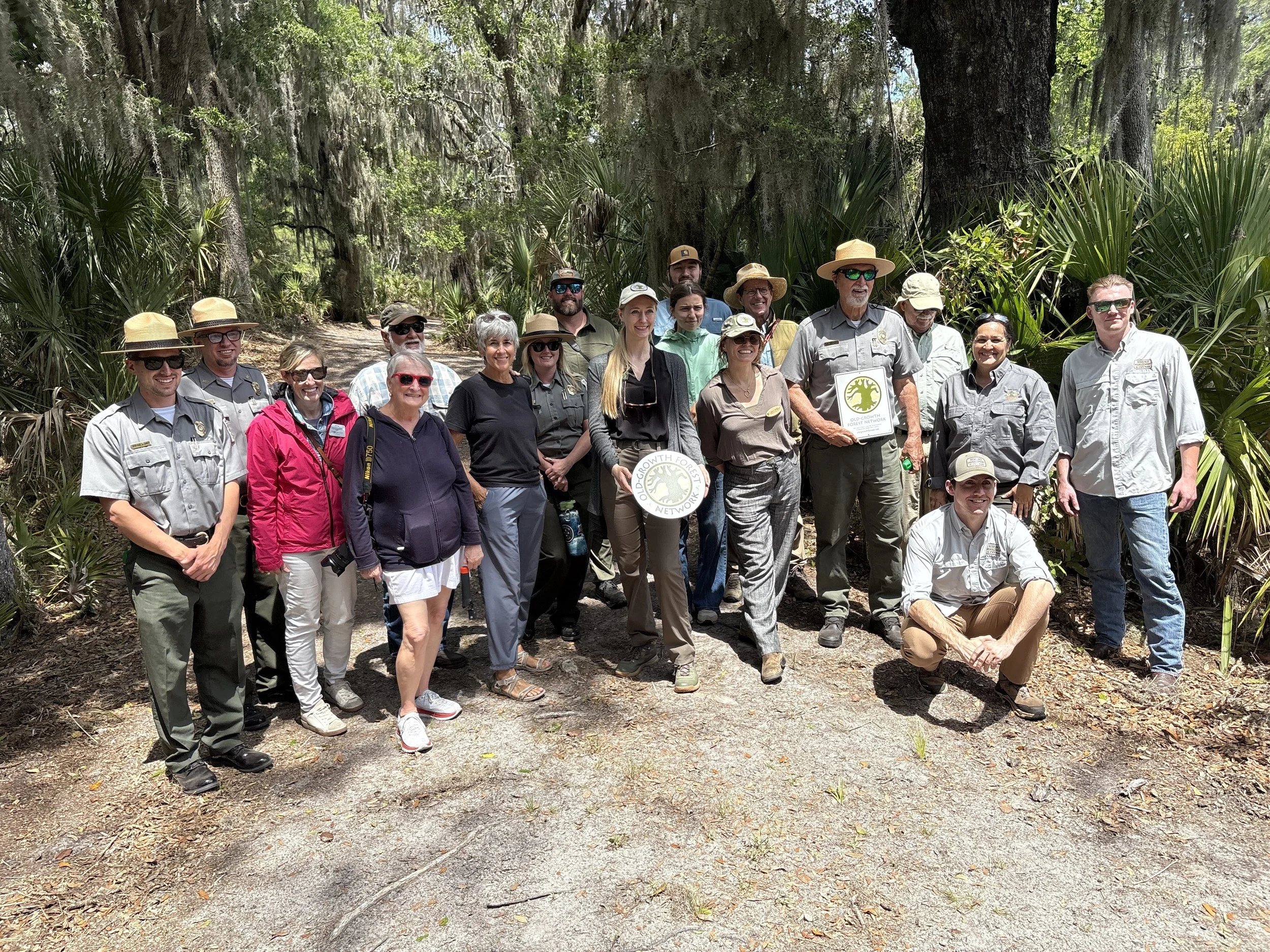
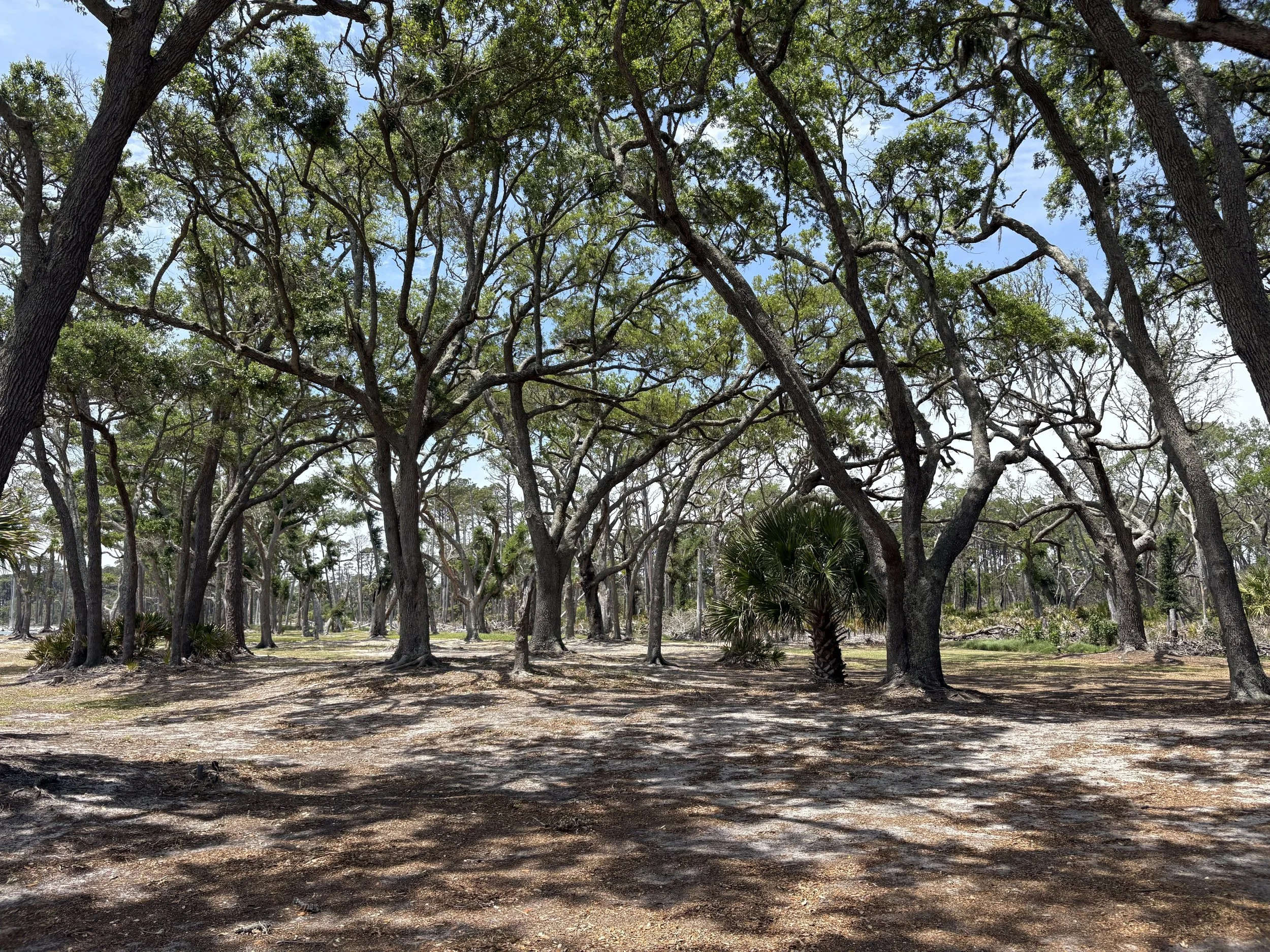
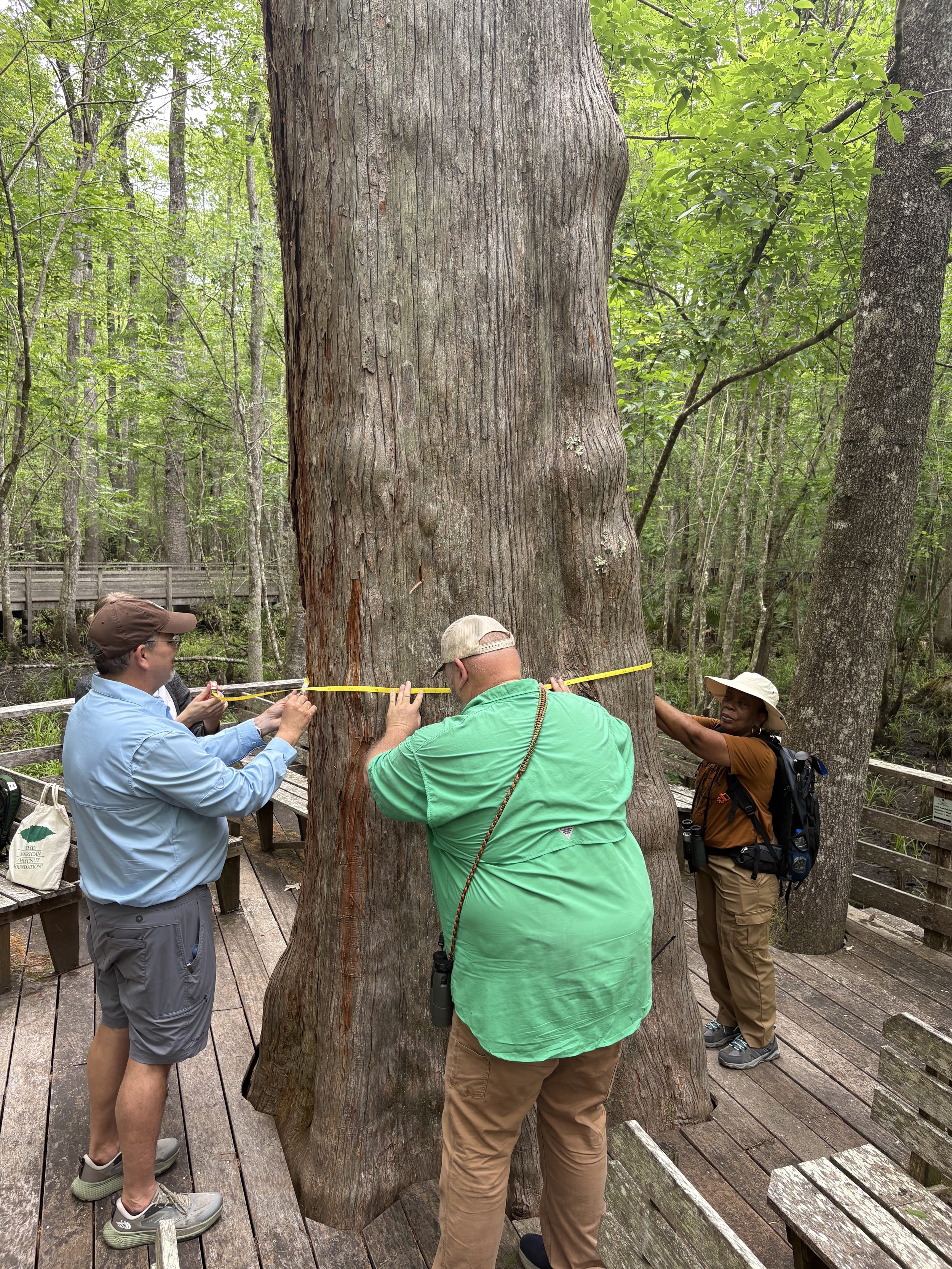
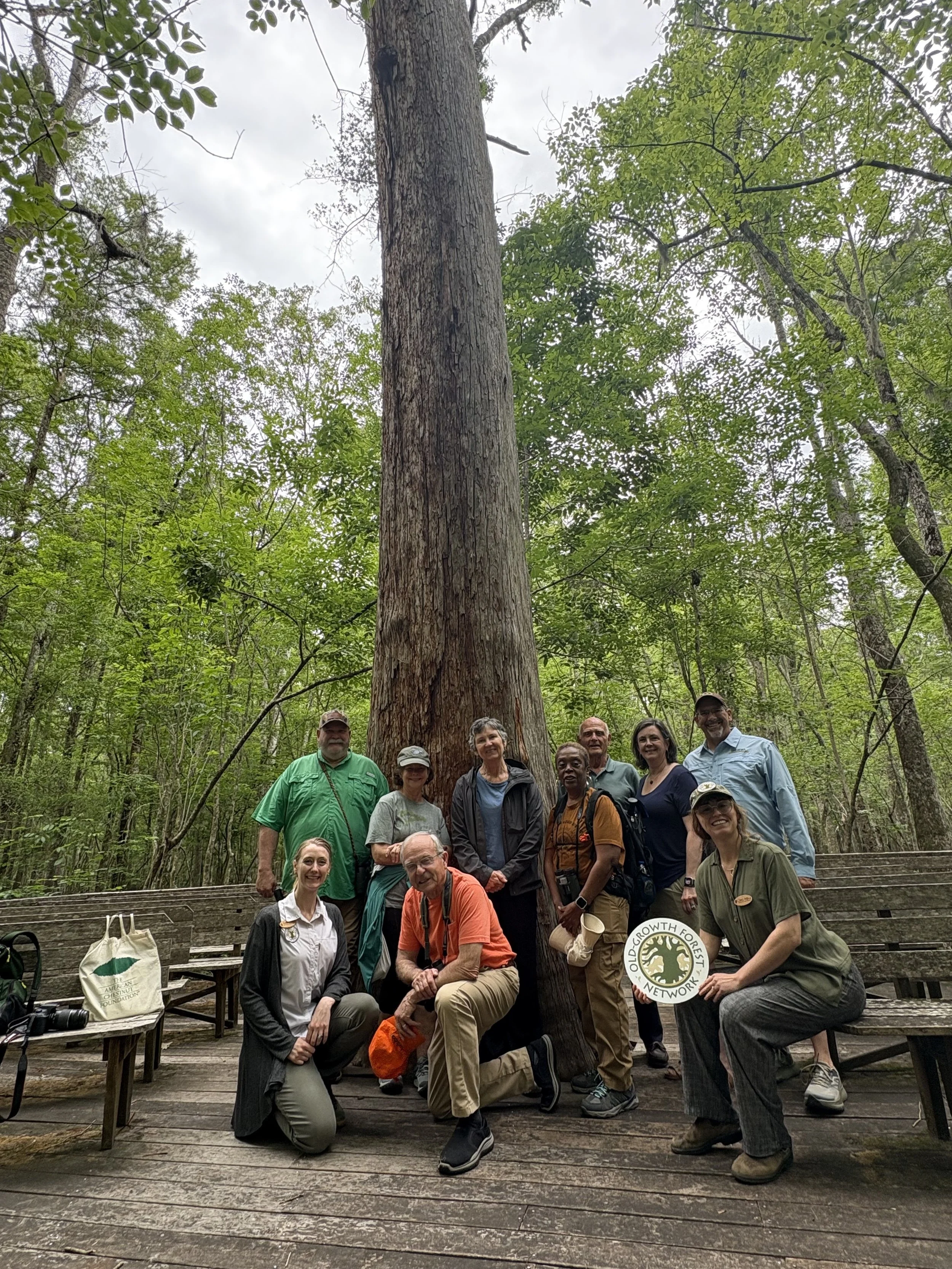
Photos 1-3: St. Phillips Island- Beaufort County
Photos 4-7: Audubon’s Francis Beidler Forest Center and Sanctuary- Dorchester County
*Francis Beilder Forest photo #4 courtesy of Audubon Center at Beidler Forest , photo #5 courtsey of Chris Merchant
Tennessee
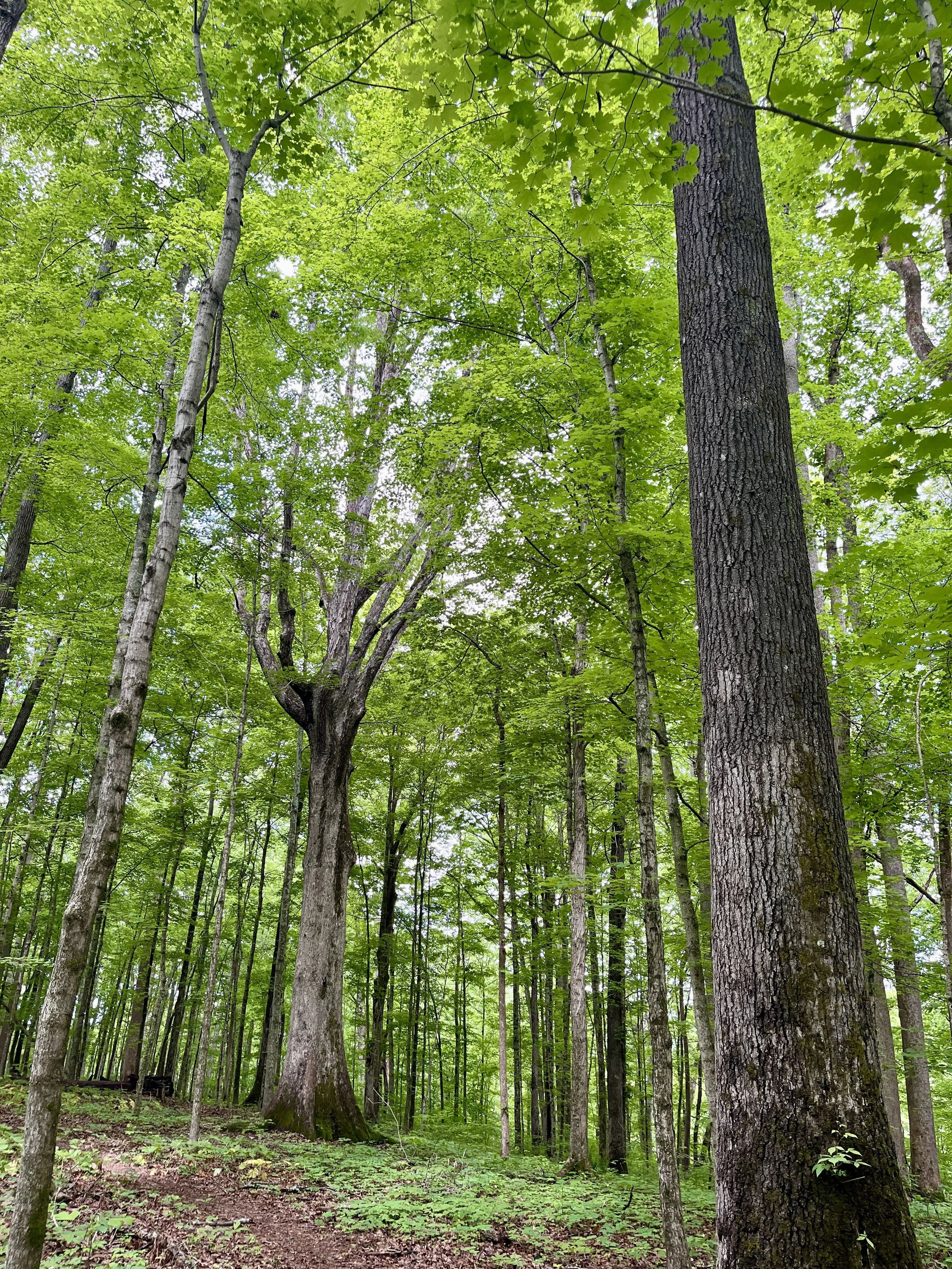
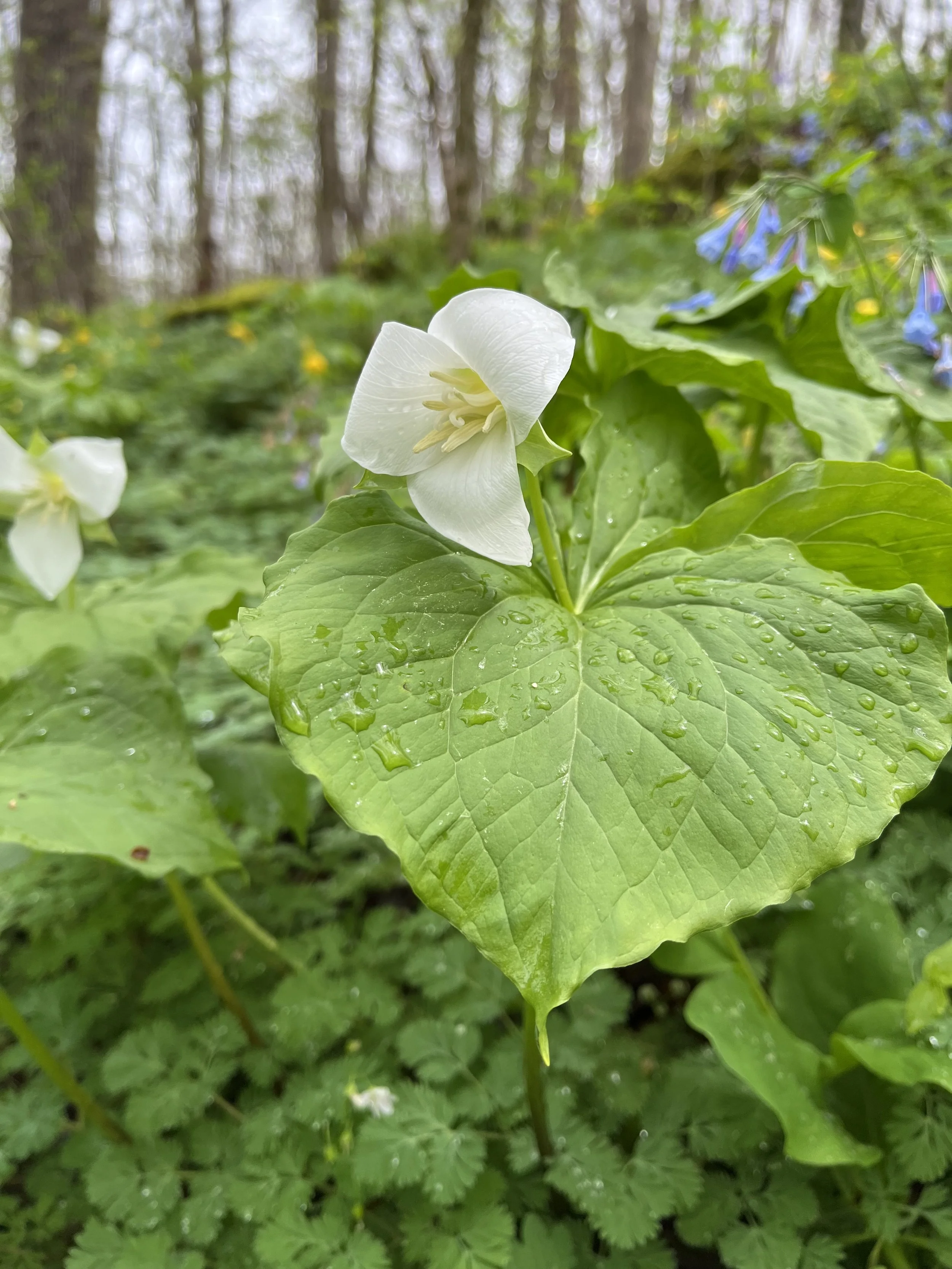
John Noel at Bon Aqua State Natural Area- Hickman County and Montgomery Bell State Park - Montgomery Bell Trail- Dickson County: Check out our blog post, “Old-Growth Forests of the Southeast May Be Closer Than You Think!”, for an in-depth look at our spring celebrations in Tennessee!
Photos 1-2: